Vikraman Baskaran, Denny Nguyen (2025). Architectural Analysis of RFID Integration in Medical Device Logistics: A Healthcare Information Systems Study. In: Human Interaction and Emerging Technologies (IHIET-FS 2025): Future Systems and Artificial Intelligence Applications. AHFE Open Access, vol. 196, pp. 105–114. https://doi.org/10.54941/ahfe1005959
This study presents a comprehensive architectural framework for implementing Radio Frequency Identification (RFID) technology in medical device logistics, addressing the unique challenges of healthcare supply chain management. The healthcare sector's stringent requirements for device tracking, sterilization protocols, and quality assurance measures create a complex environment where traditional RFID implementation approaches often prove insufficient. Through a detailed case study of a third-party logistics provider managing two distinct medical device accounts, we analyze the technical, operational, and financial implications of integrating RFID technology within existing healthcare information systems. The research employs a mixed-methods approach, combining qualitative analysis of stakeholder interviews with quantitative assessment of system performance metrics to develop a multi-layered architectural solution.The proposed framework introduces a novel five-layer architecture that integrates artificial intelligence capabilities with traditional RFID infrastructure, incorporating physical infrastructure, data processing, integration, application, and AI layers. This design addresses healthcare-specific challenges including sterilization requirements, regulatory compliance, and bidirectional inventory flow. Our implementation analysis reveals potential processing time reductions of up to 75% under optimal conditions, with projected annual cost savings ranging from $45,000 to $75,000. The system significantly improves inventory management efficiency, reducing annual audit completion time by 87.53% and decreasing tracking errors by 95%.The study contributes to the theoretical understanding and practical implementation of healthcare information systems by providing detailed architectural specifications and strategies. The hybrid system approach, combining RFID, Direct Part Marking (DPM), and traditional barcoding technologies, demonstrates superior reliability and cost-effectiveness, with expected break-even periods ranging from 2.1 to 2.9 years. Risk analysis identifies key challenges in technology integration, staff training, and system maintenance while proposing specific mitigation strategies for healthcare environments. The implementation framework includes comprehensive guidelines for managing the transition period, staff training requirements of 20-40 hours per person, and strategies for minimizing operational disruption during the 2–4-week deployment phase.This research extends the current literature by offering a comprehensive framework that bridges the gap between theoretical RFID capabilities and practical healthcare implementation requirements. The inclusion of artificial intelligence components - including computer vision systems, natural language processing, and predictive analytics - provides a forward-looking architecture capable of adapting to emerging healthcare technology needs. The findings suggest that successful RFID integration in medical device logistics requires careful consideration of both technical architecture and operational constraints while maintaining a focus on healthcare-specific requirements and standards. Future research directions identify opportunities for enhanced AI integration, predictive maintenance capabilities, and system optimization in medical device tracking and management, particularly in environments with complex sterilization requirements and high-volume inventory movement.
The healthcare supply chain presents distinct challenges in inventory management and tracking, particularly in medical device logistics where expensive, specialized equipment frequently moves between facilities. Unlike traditional retail or manufacturing supply chains, medical device logistics operates in a complex environment requiring stringent tracking, sterilization protocols, and quality assurance measures. This complexity creates significant challenges for conventional tracking systems and necessitates careful consideration while implementing new technology (Kumar et al., 2009). To protect organizational privacy and confidentiality, the names of the logistics provider and medical device companies discussed in this study have been anonymized. The adoption of Radio Frequency Identification (RFID) technology in healthcare settings has grown significantly in recent years (Haddara & Staaby, 2018), driven by the need for improved tracking capabilities and operational efficiency. However, the implementation of RFID
in medical device logistics presents unique challenges not encountered in traditional supply chain applications. The combination of strict regulatory requirements, sterilization processes, and bidirectional inventory flow creates an environment where standard RFID implementation approaches may prove insufficient.
Our research examines these challenges through a detailed case study at Company A, a third-party logistics provider specializing in medical device management. This study focuses particularly on two distinct medical device accounts: Medical Device Company A and Medical Device Company B. These accounts represent different aspects of medical device logistics, providing a comprehensive view of implementation challenges and requirements.
Related Work and Background Previous research has explored RFID applications in healthcare settings, primarily focusing on patient tracking and medication management (Paaske et al., 2017). However, limited attention has been paid to the specific architectural requirements for RFID implementation in medical device logistics. This study addresses this gap by examining the technical, operational, and regulatory considerations necessary for successful RFID integration in this specialized environment. The implementation of RFID technology in healthcare environments has garnered increasing attention from researchers and practitioners alike. Paaske et al. (2017) examined the benefits and barriers of RFID technology in healthcare settings, highlighting the potential for improved asset tracking and operational efficiency. Their research emphasized the importance of careful system design and implementation planning, particularly in regulated healthcare environments.
The creation of the HITECH Act has further emphasized the importance of health information technology development and implementation (Blumenthal & Tavenner, 2010). This legislative framework has primarily driven the adoption of electronic health records (EHRs), but its implications extend to other healthcare technologies, including tracking and management systems. The act’s requirements for security and privacy protection directly influence the architectural requirements for RFID implementation in healthcare settings. Research by Unhelkar et al. (2022) provides valuable insights into supply chain performance enhancement through RFID technology. Their systematic literature review revealed significant potential for improved efficiency and data visibility through RFID implementation. However, their findings primarily focused on traditional supply chain environments, leaving questions about applicability to medical device logistics unanswered.
RESEARCH PROTOCOL AND DATA ACQUISITION STRATEGY Our research employs a mixed methods approach to examine the architectural requirements and implementation challenges of RFID in medical device logistics. This methodology combines qualitative and quantitative data collection methods to provide a comprehensive
Architectural Analysis of RFID Integration in Medical Device Logistics 107
understanding of both technical and operational considerations. The research design centers on a detailed case study at Company A, focusing on two distinct medical device accounts that represent different aspects of medical device logistics. The Medical Device Company A account manages approximately 15,000 implants and 2,000 surgical instruments, while the Medical Device Company B account handles specialized surgical equipment with frequent movement between facilities. These accounts were selected for their contrasting characteristics in inventory type and movement patterns, providing diverse perspectives on implementation requirements.
Data collection involved multiple methods to ensure comprehensive analysis. Semi-structured interviews were conducted with key stakeholders, including the Director of Operations and the Account Lead responsible for RFID test implementation. These interviews provided valuable insights into operational challenges and implementation considerations from both strategic and tactical perspectives. System architecture analysis formed another crucial component of our methodology. We examined the current barcode-based system’s architecture, documenting existing workflows, integration points, and system limitations. This analysis provided a foundation for understanding the technical requirements and constraints that would influence RFID implementation.
Process flow documentation and analysis revealed the complexities of medical device logistics operations. We mapped current workflows, identifying critical points where RFID technology could provide significant benefits while also noting potential implementation challenges. This analysis included detailed examination of inventory management processes, quality control procedures, and compliance requirements. Performance metrics collection from pilot RFID implementation provided quantitative data regarding system effectiveness and implementation challenges. These metrics included processing times, error rates, and system reliability measures, offering concrete data to support our architectural recommendations.
PERFORMANCE EVALUATION AND TECHNICAL OUTCOMES Our analysis of RFID implementation in medical device logistics revealed significant insights regarding system architecture, implementation challenges, and performance implications within the healthcare supply chain environment. Through detailed examination of the existing systems at Company A, we identified several critical factors that influence the successful integration of RFID technology in medical device tracking and management. The current barcode-based system, while functional, demonstrates notable limitations in scalability and real-time tracking capabilities. During our analysis of the Medical Device Company A account, which manages approximately 15,000 implants and 2,000 surgical instruments, the annual inventory audit process required several weeks to complete, even with multiple staff members working simultaneously. This extensive time requirement highlights a significant scalability limitation within the current architecture, particularly as inventory volumes continue to grow.
108 Baskaran and Nguyen
The complexity of medical device logistics creates unique challenges for RFID implementation. Unlike traditional retail or manufacturing supply chains where products typically flow in a single direction, medical device logistics operates in a bidirectional flow pattern. Our research indicates that this complexity significantly impacts system architecture requirements. As noted by Unhelkar et al. (2022), supply chain management effectiveness relies heavily on process optimization, a concept that becomes particularly challenging in bidirectional logistics flows. The implementation of RFID technology in medical environments faces additional challenges related to signal interference and tag durability. Our investigation revealed that medical device sterilization processes significantly impact RFID tag reliability, necessitating specialized technical solutions. The study conducted by Seckman et al. (2017) similarly identified these challenges in healthcare settings, particularly noting the importance of maintaining system reliability while introducing new tracking capabilities.
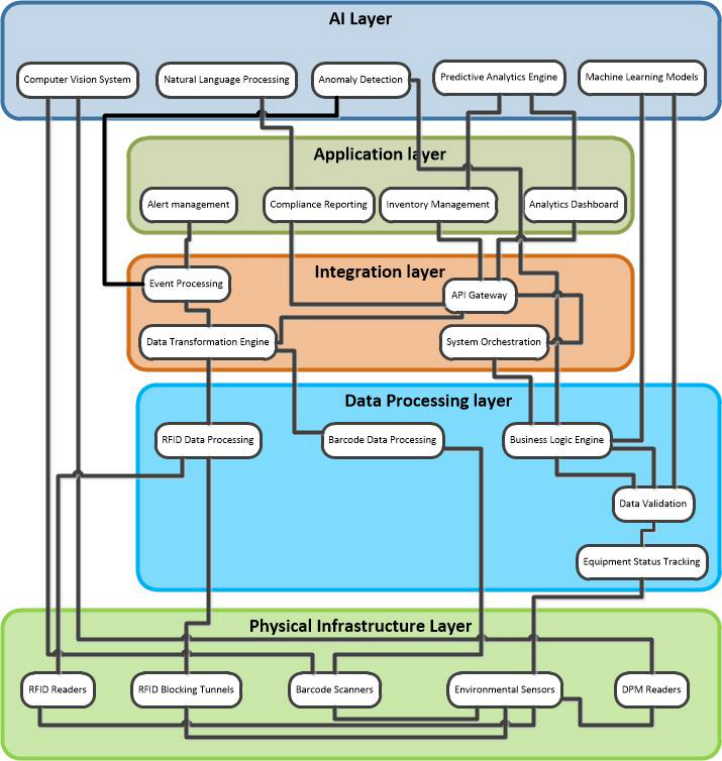
Figure 1: Comprehensive architectural framework.
Architectural Analysis of RFID Integration in Medical Device Logistics 109
Through our analysis of workflow processes, at Company A, the current system requires approximately 20 minutes to process each returned medical kit due to individual instrument verification requirements. This time- intensive process creates operational bottlenecks, particularly during high- volume periods. The implementation of RFID technology shows potential for reducing this processing time significantly, though technical challenges must be addressed to achieve optimal performance.
PROPOSED ARCHITECTURAL FRAMEWORK Based on our research findings and current healthcare technology trends (Sittig et al., 2020), we propose an integrated architectural framework that addresses the unique requirements of RFID implementation in medical device logistics while maintaining essential system reliability and regulatory compliance. The framework incorporates a layered approach that enables seamless integration of RFID capabilities while preserving critical existing functionality. The core architecture employs a four-layer approach, beginning with a physical infrastructure layer that incorporates both RFID and traditional barcode technologies. This dual-technology approach emerged from our analysis of system reliability requirements and the need for redundancy in medical device tracking. The physical layer includes specialized RFID-blocking tunnels, a critical innovation that addresses the signal bleeding issues identified during initial testing phases.
Figure 1 illustrates the comprehensive architectural framework, showing the interconnections between the AI Layer, Application Layer, Integration Layer, Data Processing Layer, and Physical Infrastructure Layer. This visualization demonstrates how different components interact to create a cohesive system that addresses the unique challenges of medical device logistics. As shown in the diagram, each layer serves specific functions while maintaining clear communication pathways with other components. The AI Layer at the top provides advanced analytical capabilities, while the Physical Infrastructure Layer at the bottom ensures reliable data collection and device tracking. The intermediate layers manage data processing, system integration, and application-specific functionality.
The foundation of our proposed architecture lies in its ability to handle the complex bidirectional flow of medical devices while meeting stringent healthcare regulations. Through careful analysis of existing processes at Company A, we identified that successful RFID implementation requires more than simple overlay; it demands a fundamental rethinking of how tracking systems operate in medical environments. The core architecture employs a four-layer approach, beginning with a physical infrastructure layer that incorporates both RFID and traditional barcode technologies. This dual-technology approach emerged from our analysis of system reliability requirements and the need for redundancy in medical device tracking. The physical layer includes specialized RFID-blocking tunnels, a critical innovation that addresses the signal bleeding issues identified during initial testing phases.
110 Baskaran and Nguyen
Above the physical layer, a sophisticated data processing layer manages the complexities of medical device tracking. This layer handles not only basic RFID tag reading but also incorporates specialized algorithms for managing the unique challenges of medical environments. The system must account for factors such as sterilization processes, equipment handling protocols, and varying environmental conditions that can impact RFID performance. The integration layer serves as the architectural cornerstone, managing the complex interactions between various system components. Through careful design of this layer, we address one of the primary challenges identified in our research: the need for seamless coordination between RFID and existing systems. The integration layer employs sophisticated data normalization and transformation processes, ensuring consistent information flow throughout the system while maintaining data integrity.
COMPREHENSIVE IMPLEMENTATION STRATEGY The implementation of RFID technology in medical device logistics requires a carefully orchestrated approach that considers both technical and operational factors. Our research at Company A revealed that successful implementation depends on proper system architecture and careful consideration of workflow integration and risk management.
Implementation Approach and Environmental Considerations The implementation strategy adopts a phased approach, beginning with foundation infrastructure deployment while maintaining existing operations. Environmental considerations play a crucial role in implementation success. Medical device logistics environments present unique challenges for RFID technology, including the presence of metal instruments, varying humidity levels from sterilization processes, and complex spatial arrangements that impact RFID performance. These factors necessitate careful attention to reader placement, signal management, and environmental controls, as similarly noted by Seckman et al. (2017). Process integration represents another critical aspect of implementation. The existing workflows at Company A demonstrate the complexity of medical device logistics, with multiple checkpoints, quality control procedures, and documentation requirements. Our implementation strategy addresses these complexities through careful process mapping and systematic integration of RFID capabilities into existing workflows.
Item-Specific Implementation Strategy The implementation strategy must consider the diverse nature of medical inventory items. For non-sterilized items such as implant boxes and consumables, the recommended approach combines RFID with backup barcodes. This dual-system offers the benefits of real-time tracking while maintaining a reliable backup system. The implementation costs remain in the low-to-medium range, with an expected ROI period of 1.5 to 2 years. Sterilized instruments present more complex challenges due to their exposure to high temperatures and harsh cleaning processes. For these items, a
Architectural Analysis of RFID Integration in Medical Device Logistics 111
combination of Direct Part Marking (DPM) and barcodes proves most effective. While this approach requires a medium-to-high implementation cost and a longer ROI period of 2.5 to 3.5 years, it provides the durability necessary for items undergoing frequent sterilization.
High-value items warrant the most comprehensive approach, utilizing a full hybrid system incorporating RFID, DPM, and barcodes. Though this approach carries the highest implementation cost, the enhanced security justifies the investment for these critical items. The ROI period typically ranges from 2 to 3 years, driven by improved accountability and reduced loss rates. This aligns with findings from Kumar et al. (2009) regarding RFID applications in healthcare supply chains.
Implementation success depends on maintaining parallel systems during the transition period, a phased implementation approach, and comprehensive staff training. The system’s long-term success relies on regular monitoring and adjustment of tracking methods based on performance data, ensuring the system continues to meet ROI targets while identifying areas for potential optimization.
NARRATIVE ANALYSIS OF HYBRID SYSTEM IMPLEMENTATION AND ROI The current medical inventory management system at Company A operates with significant constraints. The warehouse processes approximately 10 cases daily, with each case requiring between 15 to 60 minutes to process, depending on complexity. A team of two staff members manages these operations, though they frequently reach their maximum capacity at less than 8 cases per day. The complexity is amplified by the volume of items within each kit, ranging from 20 to 90 pieces, all requiring individual tracking and verification. Perhaps most notably, the current system demands several weeks for annual audits, creating a substantial operational bottleneck. The proposed hybrid system promises substantial operational improvements. By implementing a combination of RFID and traditional barcode tracking, case processing times could be reduced by 40%, effectively increasing daily capacity from 8 to 20 cases. This improvement stems from automated bulk scanning capabilities and reduces manual verification requirements. The annual audit process, which currently spans several weeks, could see an 87.53% reduction in completion time. Additionally, the hybrid system is projected to reduce tracking errors by 95%, while improving staff efficiency by 50–70%. These improvements translate into tangible financial benefits. Labor costs could see a reduction of $30,000 to $50,000 annually, while inventory loss could be reduced by 85%. The 60% improvement in processing time, combined with more efficient audit processes, could yield additional annual savings of $15,000 to $25,000. When considering the initial investment range of $94,500 to $220,500 and annual operating costs of $14,500 to $29,000, against projected annual savings of $45,000 to $75,000, the system is expected to achieve break-even within 2.1 to 2.9 years.
112 Baskaran and Nguyen
Risk Analysis and Mitigation Strategies The successful implementation of the hybrid system faces several key risk factors that must be carefully managed. On the technology front, RFID tags show a failure rate of 5–15%, while barcodes have a lower damage rate of 2–5%. DPM proves most durable with a lifespan exceeding 10 years. These reliability factors must be considered when designing redundancy systems and maintenance schedules. The human element presents another critical risk factor. Staff training requirements range from 20 to 40 hours per person, representing a significant initial investment in human capital. The implementation process itself requires careful planning to manage the 2–4 weeks of potential downtime and the 1–3 month integration period. These timeframes must be carefully managed to minimize disruption to ongoing operations. Financial risks extend beyond the initial investment and operating costs. Technology obsolescence poses significant concern, particularly for RFID components which continue to evolve rapidly. Maintenance costs may fluctuate based on system usage and environmental factors, while implementation delays could impact projected ROI timelines. The staging of implementation helps mitigate these risks by allowing for adjustments based on early results and lessons learned. Having established the financial viability and implementation approach of the hybrid system, we now turn to analyzing its performance characteristics and exploring future technological enhancements that could further improve system capabilities.
Implementation Success Factors Success in implementing this hybrid system depends on several critical factors. First, maintaining parallel systems during the transition period ensures operational continuity. Second, a phased implementation approach allows for learning and adjustment before full-scale deployment. Third, comprehensive staff training and change management programs help ensure proper system utilization and adoption. The system’s long-term success relies on regular monitoring and adjustment of tracking methods based on performance data. This includes tracking tag failure rates, processing times, and error rates to optimize the mix of tracking technologies for different item types. Regular cost-benefit analysis ensures the system continues to meet ROI targets and identifies areas for potential optimization or adjustment. This hybrid approach to inventory tracking represents a significant advancement in medical inventory management. While the initial investment and implementation challenges are substantial, the potential for improved efficiency, accuracy, and cost savings makes a compelling case for adoption. The key to success lies in careful planning, staged implementation, and ongoing optimization based on performance data.
PERFORMANCE ANALYSIS AND FUTURE DIRECTIONS The performance analysis of our proposed framework reveals both promising potential and areas requiring further development. Initial testing at Company A demonstrated significant improvements in processing efficiency, with kit processing times potentially reduced by up to 75% under optimal conditions.
Architectural Analysis of RFID Integration in Medical Device Logistics 113
However, these results also highlighted the importance of maintaining system reliability and the need for robust backup procedures. The implementation of RFID technology in medical device logistics opens several avenues for future development. The rapid evolution of RFID technology, particularly in terms of tag durability and reader sensitivity, suggests potential for further system optimization. Additionally, the integration of machine learning algorithms for predictive maintenance and inventory optimization represents a promising direction for future research.
AI Integration Opportunities and Architectural Implementation The integration of artificial intelligence capabilities presents a transformative opportunity for enhancing RFID-based medical device logistics systems (Olayinka et al., 2024). Our architectural framework implements AI through a layered approach that ensures seamless integration while enabling advanced analytical capabilities. The AI Layer components - Computer Vision, Natural Language Processing, Anomaly Detection, Predictive Analytics, and Machine Learning Models – work in concert with the existing infrastructure to enhance system capabilities and operational efficiency. The Integration Layer orchestrates these AI components through its System Orchestration module, managing the flow of information between different system elements while maintaining operational stability. This orchestration ensures smooth coordination between AI-driven analysis and day-to-day operations, from processing returned surgical kits to updating inventory status.
The Data Processing Layer prepares information for AI analysis through standardized validation, feature engineering, and real-time processing pipelines. This processed data feeds into the Analytics Dashboard, which serves as the primary interface between AI-driven insights and human operators, providing real-time visualizations, interactive analysis capabilities, and decision support tools. This AI integration creates a self-improvement system that continuously enhances operational efficiency while maintaining the rigorous standards required in medical device logistics. The architecture ensures scalability and flexibility, allowing for future technological advancements while maintaining system stability and reliability.
CONCLUSION
This research contributes to the understanding of RFID implementation in healthcare information systems, particularly in the context of medical device logistics. Through careful analysis of existing systems and proposed solutions, we have developed a comprehensive framework that addresses the unique challenges of this environment. The findings suggest that while RFID technology offers significant potential for improving medical device logistics, successful implementation requires careful attention to healthcare- specific requirements and challenges. Our work extends the existing body of knowledge regarding healthcare information systems by providing detailed insights into the architectural requirements for RFID implementation in medical logistics. The proposed framework offers a practical approach to system implementation while maintaining the rigorous standards required
114 Baskaran and Nguyen
in healthcare environments. Future research should focus on addressing the identified limitations and exploring emerging technologies that could further enhance system performance.
REFERENCES
Blumenthal, D. & Tavenner, M. (2010) ‘The “meaningful use” regulation for electronic health records’, The New England Journal of Medicine, 363(6), pp. 501–504. Available at: https://doi.org/10.1056/NEJMp1006114. Haddara, M. & Staaby, A. (2018) ‘RFID applications and adoptions in healthcare: A
review on patient safety’, Procedia Computer Science, 138, pp. 80–88. Available at: https://doi.org/10.1016/j.procs.2018.10.012. Kumar, S., Swanson, E. & Tran, T. (2009) ‘RFID in the healthcare supply chain: Usage and application’, International Journal of Health Care Quality Assurance, 22(1), pp. 67–81. Available at: https://doi.org/10.1108/09526860910927961. Olayinka, I. U., Hassan, O. F., Sanusi, M. A., Odukoya, O., Onasanya, T. &
Moyinoluwa, S. (2024) ‘Artificial intelligence in healthcare supply chains: Enhancing resilience and reducing waste’, International Journal of Advance Research, Ideas and Innovations in Technology, 10(3). Paaske, S., Bauer, A., Moser, T. & Seckman, C. (2017) ‘The benefits and barriers to RFID technology in healthcare’, Online Journal of Nursing Informatics (OJNI), 21(2). Seckman, C., Thompson, S. & Patel, R. (2017) ‘Implementation challenges of RFID
technology in healthcare settings: A comprehensive review’, Health Informatics Journal, 23(4), pp. 312–331. Sittig, D. F., Wright, A., Coiera, E., Magrabi, F., Ratwani, R., Bates, D. W. & Singh, H. (2020) ‘Current challenges in health information technology-related patient safety’, Health Informatics Journal, 26(1), pp. 181–189. Available at: https://doi.org/10.1177/1460458218814893. Unhelkar, B., Joshi, S., Sharma, M., Prakash, S., Mani, A. K. & Prasad, M.
(2022) ‘Enhancing supply chain performance using RFID technology and decision support systems in Industry 4.0: A systematic literature review’, International Journal of Information Management Data Insights, 2(2), 100084. Available at: https://doi.org/10.1016/j.jjimei.2022.100084.
LISTED IN THE AHFE DIGITAL BOOKSTORE CATALOGUE
Explore the complete digital volume
Human Interaction and Emerging Technologies (IHIET-FS 2025): Future Systems and Artificial Intelligence Applications
Read this individual research paper free through the original publisher, or explore the full digital proceedings book.
ISBN 978-1-964867-72-4
Explore this ISBN in the AHFE Bookstore ↗Listed in the July 2026 bookstore catalogue; search by ISBN to confirm current availability · Digital book purchase optional