Alexander Paselk (2025). The Impact of Cultural Dimensions and Supervisory Leadership on Safety Climate in Multinational Oil and Gas Operations. In: Safety Management and Human Factors. AHFE Open Access, vol. 189, pp. 153–167. https://doi.org/10.54941/ahfe1006581
Despite stringent safety regulations, workplace accidents in the oil and gas industry persist, particularly in multinational teams where cultural differences affect hazard reporting, risk perception, and compliance behaviors. Conventional safety frameworks inadequately address these variations, creating deficiencies in policy effectiveness. This study examines how cultural dimensions and supervisory leadership shape safety climate in multinational oil and gas operations. Using Structural Equation Modeling (SEM), the study quantifies the influence of cultural traits on safety behaviors and compliance attitudes, providing insights into effective, culturally adaptive safety strategies. A field study was conducted within a multinational oil and gas company, utilizing structured questionnaires to assess (1) safety climate, (2) supervisor-employee relationships, and (3) Hofstede’s cultural dimensions. Statistical analysis using SEM with SMART-PLS 4.0 and SPSS 28 examined the associations between cultural traits and safety compliance behaviors. The study further investigated the role of workplace hierarchy, communication patterns, and leadership engagement in either mitigating or amplifying safety risks in a culturally diverse workforce. Findings demonstrate that cultural dimensions significantly impact safety climate. Employees from high power-distance cultures were 39.35% less likely to report safety concerns (β = -0.500, 95% CI [-0.667, -0.293], p < 0.001), indicating that hierarchical workplace structures discourage open risk communication, leading to unreported hazards and increased accident risks. Workers with high uncertainty avoidance adhered strictly to safety protocols but resisted policy changes, while those with low uncertainty avoidance displayed greater adaptability but exhibited procedural deviations. Collectivist cultures often prioritized group harmony over transparent safety discussions, whereas individualist cultures encouraged proactive reporting. Additionally, workers from high masculinity cultures exhibited greater risk-taking in safety decisions, whereas those from femininity-oriented cultures prioritized collective well-being and risk-averse behaviors. Supervisory leadership quality emerged as a key moderating factor in cultural influences on safety climate. Employees perceiving strong supervisory support were more likely to participate in safety initiatives and report hazards (β = 0.421, p < 0.01), whereas ineffective communication exacerbated cultural barriers to hazard reporting. Supervisors with cross-cultural competence, inclusivity, and effective communication strategies mitigated cultural resistance to safety engagement and fostered a proactive safety culture. Employees from long-term-oriented cultures demonstrated greater compliance with evolving safety measures, whereas short-term-oriented workers prioritized immediate operational efficiency, sometimes at the expense of safety considerations. To enhance safety performance in multinational oil and gas operations, organizations should: (1) Develop structured leadership training programs incorporating scenario-based learning on cultural safety challenges; (2) Implement culturally inclusive safety policies with accessible reporting mechanisms; and (3) Establish mentorship programs to foster trust and proactive safety engagement. Integrating culturally adaptive leadership training and inclusive safety policies is critical for ensuring compliance, preventing workplace incidents, and fostering long-term workforce safety engagement. Addressing the intersection of culture and supervision strengthens risk mitigation strategies and improves global safety performance in high-risk industries. These findings provide actionable insights for policymakers, safety managers, and industry leaders seeking to optimize safety outcomes in multicultural environments.
CULTURAL DIVERSITY, LEADERSHIP, AND WORKPLACE SAFETY: AN EMPIRICAL ANALYSIS The oil and gas sector ranks among the most hazardous industries globally, with workplace accidents leading to severe human and economic consequences (International Labour Organization, 2017; Nielsen et al., 2013). Despite stringent safety regulations, multinational teams face unique challenges due to cultural diversity, organizational hierarchy, and leadership influence, affecting hazard reporting, risk perception, and safety compliance (Hofstede, 2011; Mearns & Yule, 2009). Safety climate, defined as employees’ shared perceptions of safety policies and practices, is strongly influenced by national culture and supervisory leadership. Hofstede’s (2011) cultural dimensions theory provides a critical framework for analyzing how power distance, uncertainty avoidance, collectivism, and masculinity versus femininity influence safety behaviors within multinational oil and gas teams. Employees in high power-distance cultures often perceive hierarchical structures as barriers to open safety communication, leading to underreporting of hazards (Casey et al., 2015). Workers in high uncertainty- avoidance cultures adhere strictly to safety protocols but resist procedural changes, limiting flexibility in evolving risk environments (Miao et al., 2020). Collectivist cultures prioritize group cohesion, which can discourage individual safety reporting, whereas masculine-oriented workplaces may prioritize productivity over safety, contrasting with feminine cultures that emphasize worker well-being (Nielsen et al., 2013).
Leadership plays a pivotal role in shaping safety climate by influencing employee engagement in safety initiatives and mitigating cultural barriers to reporting unsafe conditions (Zohar, 1980). Cross-culturally competent supervisors foster inclusive communication, encourage proactive safety behaviors, and facilitate hazard identification, bridging cultural gaps in multinational teams (Johnson et al., 2006; von Thiele Schwarz et al., 2016). Studies indicate that employees with supportive and communicative
The Impact of Cultural Dimensions and Supervisory Leadership on Safety Climate 155
supervisors are significantly more likely to engage in safety initiatives and report hazards (Podsakoff et al., 2003; Wayne et al., 1997). This study underscores the necessity of integrating cultural dimensions into safety policies and training programs to enhance adaptability, inclusivity, and safety performance. Organizations should implement leadership training tailored to multicultural teams, emphasizing cross-cultural competence and psychological safety to foster proactive risk management (Rockstuhl, 2012). Addressing these cultural and leadership factors can enhance workplace safety, minimize accidents, and establish a resilient, safety- oriented organizational culture across multinational oil and gas operations (Bergh et al., 2018).
LITERATURE REVIEW: CULTURAL DETERMINANTS OF WORKPLACE SAFETY The globalization of the oil and gas industry has led to an increasingly diverse workforce, particularly in the Middle East and North Africa (MENA) region, where drilling contractors rely heavily on workers from Southeast Asia, the Middle East, and North Africa (Bergh et al., 2018). These multinational teams are essential for maintaining operational efficiency and reducing labor costs, yet they also introduce significant safety challenges due to cultural and linguistic differences (Starren et al., 2013). Workers in the oil and gas industry endure high workloads, repetitive tasks, and hazardous working conditions, often exacerbated by extended shift rotations, such as 12-hour shifts for 28 to 56 consecutive days without rest, increasing the risk of accidents and fatigue-related incidents (Hystad et al., 2014). Given the hazardous nature of the industry, strong risk management strategies are crucial. Implementing comprehensive Health, Safety, and Environment (HSE) protocols, standardized procedures, and ongoing safety training is fundamental to reducing workplace injuries (Bergh et al., 2014; Harris, 2010). However, cultural variations in risk perception, communication styles, and safety compliance behaviors remain a significant challenge to safety performance in multinational teams (Casey et al., 2015).
SAFETY CLIMATE Safety climate refers to shared perceptions of safety policies, practices, and leadership commitment within an organization, directly influencing worker behavior and adherence to safety regulations (Zohar, 1980). A strong safety climate fosters proactive risk management, enhances hazard recognition, and improves regulatory compliance (Williamson et al., 1997). In high-risk industries such as oil and gas, where multinational teams operate under varied regulatory frameworks and cultural influences, the perception of safety climate can vary significantly (Casey et al., 2015). However, in multinational oil and gas operations, cultural differences shape workers’ interpretations of safety policies, management attitudes, and risk perception, leading to inconsistencies in safety compliance (Casey et al., 2015). Employees from high power-distance cultures may be reluctant
156 Paselk
to report safety concerns due to hierarchical workplace structures, while those from collectivist cultures may prioritize team cohesion over individual safety accountability (Hofstede, 2011). Frequent employee turnover in the sector further complicates efforts to sustain a stable safety climate, as newly hired personnel may lack familiarity with established safety norms, increasing the likelihood of procedural noncompliance (Luo, 2020). Workers’ perceptions of leadership commitment to safety play a decisive role in shaping safety behaviors. Supervisors who actively engage in safety initiatives foster a culture of accountability and hazard awareness, whereas inconsistent enforcement of safety policies can lead to noncompliance (Yule et al., 2007). Effective safety climate management requires leaders to implement culturally adaptive communication strategies, ensuring that safety expectations are understood across diverse workforce segments (Mearns & Yule, 2009). As multinational teams bring together diverse cultural attitudes toward risk and authority, organizations must adopt adaptive safety leadership approaches to ensure a consistent and effective safety climate (Hofstede, 2011). By fostering open communication, enhancing training programs, and ensuring consistent policy enforcement, organizations can improve safety adherence and reduce workplace incidents in culturally diverse settings (Miao et al., 2020).
CULTURAL DIMENSIONS Hofstede’s cultural dimensions framework provides a theoretical foundation for understanding how national cultures influence safety climate in the oil and gas industry (Hofstede, 2011). Safety behaviors, including hazard reporting, adherence to protocols, and risk-taking tendencies, are shaped by cultural values that dictate how individuals perceive authority, rules, and collective responsibility (Casey et al., 2015). Employees from high power- distance cultures may avoid challenging authority figures or questioning safety protocols due to hierarchical workplace structures, leading to underreporting of unsafe conditions (Hofstede, 2011). In contrast, low power-distance cultures encourage open communication and empower employees to actively participate in safety decision-making processes (Neal et al., 2000). Similarly, collectivist cultures prioritize group cohesion, sometimes at the expense of transparent safety discussions, whereas individualist cultures encourage independent decision-making and proactive safety engagement (Mearns & Yule, 2009). Workers from masculine cultures, which emphasize competition and productivity, may engage in risk-taking behaviors, whereas feminine cultures, which prioritize well- being, foster stronger adherence to safety protocols and collective safety efforts (Nielsen et al., 2013). High uncertainty avoidance cultures tend to strictly enforce compliance with established safety procedures, reducing risk- taking tendencies but sometimes limiting adaptability to new safety measures (Hofstede, 2011). Conversely, low uncertainty avoidance cultures display greater flexibility, which may lead to procedural deviations but also facilitate innovation in safety approaches (Miao et al., 2020). Furthermore, long- term-oriented cultures demonstrate sustained commitment to evolving safety policies, ensuring continuous improvement in safety performance, whereas
The Impact of Cultural Dimensions and Supervisory Leadership on Safety Climate 157
short-term-oriented cultures prioritize immediate operational efficiency, sometimes at the expense of long-term safety compliance (Rockstuhl, 2012). These cultural distinctions highlight the necessity for tailored, culturally adaptive safety strategies that accommodate workforce diversity while ensuring uniform safety compliance across multinational teams (Bergh et al., 2018).
SUPERVISOR-EMPLOYEE RELATIONSHIPS AND SAFETY LEADERSHIP Supervisors play a critical role in shaping workplace safety culture, particularly in multicultural work environments where communication barriers and cultural differences in safety perception exist (Casey et al., 2015). Effective leadership fosters trust, encourages open communication, and empowers workers to report safety concerns without fear of retaliation (Mearns & Yule, 2009). Supervisors with high levels of cultural intelligence can bridge gaps in safety perceptions and ensure compliance with safety regulations, mitigating the influence of cultural differences on risk-taking behaviors (Johnson et al., 2006). In high-risk industries such as oil and gas, the effectiveness of safety leadership is strongly correlated with employee engagement in safety protocols and reporting behaviors (Podsakoff et al., 2003). Studies indicate that employees who perceive their supervisors as approachable, culturally competent, and supportive exhibit significantly greater participation in safety initiatives, strengthening workplace safety outcomes (Wayne et al., 1997). Conversely, a lack of culturally adaptive leadership can exacerbate safety risks, leading to miscommunication, underreporting of hazards, and inconsistent adherence to safety guidelines (Miao et al., 2020). Organizations must invest in structured cross-cultural leadership training programs to enhance supervisors’ ability to manage diverse teams effectively and reinforce a proactive safety climate (Bergh et al., 2018). Supervisors who demonstrate inclusivity, adapt communication to different cultural contexts, and encourage active worker participation in safety initiatives contribute to a stronger, more resilient safety culture (von Thiele Schwarz et al., 2016). By integrating cultural considerations into safety policies and fostering strong supervisor-employee relationships, companies can enhance hazard recognition, strengthen workforce engagement, and improve overall safety outcomes in multinational oil and gas operations (Rockstuhl, 2012).
Table 1: Overview research questions.
Table available in the original PDF paper.
No. Research Question
1 Do the diverse national cultures of oil and gas employees influence the
safety climate in an international drilling environment? 2 Is there a relationship between the cultural dimension of multicultural employees and supervisor-employee interaction? 3 Does the supervisor-employee relationship influence the safety climate in
the oil and gas industry?
158 Paselk
RESEARCH METHODOLOGY: SURVEY-BASED ANALYSIS OF SAFETY CLIMATE This study employs a systematic methodological approach to examine the relationship between workplace safety climate, cultural dimensions, and leadership dynamics in Kuwait’s oil and gas sector. The research strategy integrates a structured survey design, ensuring rigorous data collection, reliability, and validity assessments (Johnson et al., 2006; Mearns & Yule, 2009). The methodology includes three distinct survey instruments targeting key variables: safety climate, cultural diversity, and supervisor-employee relationships (Starren et al., 2013; von Thiele Schwarz et al., 2016). Given the highly multicultural workforce in Kuwait’s oil and gas industry, this study focuses on understanding the interplay between cultural influences and safety practices (Casey et al., 2015; Hofstede, 2011). To ensure data integrity, the survey was pre-tested, evaluated by subject matter experts, and subjected to statistical validation techniques (Rockstuhl, 2012; Wayne et al., 1997). These methodological steps ensured that the data collection process was robust, minimizing response bias and enhancing the reliability of findings.
RESEARCH DESIGN AND POPULATION This study adopts a cross-sectional survey design to investigate safety climate perceptions across a multicultural workforce in Kuwait’s oil and gas industry. A total of 720 employees, representing various nationalities, experience levels, and job roles, participated in the survey. Due to the linguistic diversity and predominance of non-native English speakers (approximately 80%), the survey was designed with simplified language and clarity enhancements to minimize misinterpretation (Zohar & Luria, 2005). Although the survey was administered in English, aligned with industry employment language requirements (Hystad et al., 2014), efforts were made to optimize comprehensibility for diverse respondents. An online platform (SurveyMonkey) was selected for its accessibility, ability to ensure participant anonymity, and data security measures, which facilitated a high response rate while reducing potential bias (O’Connor et al., 2017). The study aimed for a minimum response rate of 60%, implementing structured reminders and flexible response windows to encourage participation and ensure representativeness. These measures strengthened the validity of the dataset, making the findings more generalizable to other multinational oil and gas operations.
SAMPLING, DATA COLLECTION, AND STATISTICAL VALIDATION A purposive sampling method was employed to ensure broad representation across job roles, nationalities, and work experience within the oil and gas industry. While convenience sampling has inherent limitations regarding generalizability, efforts were made to mitigate bias through demographic balancing and strategic outreach initiatives (Mearns & Yule, 2009). The survey comprised three structured sections: (1) the Safety Climate Questionnaire, assessing organizational commitment to safety and workforce
The Impact of Cultural Dimensions and Supervisory Leadership on Safety Climate 159
engagement (Zohar, 1980); (2) the Cultural Diversity Questionnaire, evaluating cultural influences on safety perceptions (Hofstede, 2011; Al Doghan et al., 2019); and (3) the Supervisor-Employee Relationship Questionnaire, measuring leadership effectiveness and communication patterns (Kath et al., 2010). Responses were collected using Likert-scale questions, providing standardized and quantifiable data for robust statistical analysis (Aryanto et al., 2020). The questionnaire underwent pre-testing with a pilot group to refine wording, improve cultural adaptability, and ensure conceptual clarity (Mearns & Yule, 2009). This validation process helped identify potential ambiguities, ensuring that the survey effectively captured the intended constructs.
DATA ANALYSIS AND VALIDITY A correlational research framework was applied to analyze relationships among cultural dimensions, supervisor-employee interactions, and safety climate. Data analysis was conducted using SPSS software, employing correlation coefficients and multiple regression models to identify key predictors of safety outcomes (Hair et al., 2014; Miao et al., 2020). Reliability was assessed through Cronbach’s alpha, ensuring an internal consistency threshold of 0.7 across all survey constructs (Nunnally, 1978). Content validity was reinforced through expert panel review and pilot testing, enhancing the accuracy and relevance of survey instruments (Heale & Twycross, 2015). Ethical standards were rigorously upheld, with measures ensuring participant confidentiality, informed consent, and adherence to institutional data protection protocols (Al Doghan et al., 2019). This methodological approach ensures a robust, credible, and comprehensive evaluation of cultural and leadership influences on safety climate within the oil and gas sector, providing actionable insights for improving workplace safety in multinational environments.
DATA ANALYSIS/RESULTS This study employed a comprehensive data analysis approach using SPSS 28 and SMART-PLS 4.0, both widely recognized tools for statistical and structural equation modeling (Hair et al., 2014; Ringle et al., 2015). The analysis was systematically structured into ten sections, each addressing critical aspects of data preparation, hypothesis testing, and model evaluation. First- and second-order latent constructs were identified alongside their measurement items, establishing a robust foundation for hypothesis validation (Hair et al., 2017). The analytical strategy ensured methodological rigor, reinforced reliability, and enhanced the generalizability of findings, contributing to the discourse on safety management in high-risk industries (Henseler et al., 2016). Data screening procedures were rigorously applied to maintain dataset integrity, identifying and addressing missing values, outliers, and ensuring data normality. Missing data, comprising less than 5% of the dataset, were managed using the Expectation Maximization
160 Paselk
algorithm, mitigating bias in subsequent analyses (Graham et al., 1997; Siegling et al., 2015). Outliers were identified through histograms, box plots, and standardized z-scores, with extreme values beyond ±4.0 systematically removed (Hair et al., 2006; Tabachnick & Fidell, 2007). These rigorous data-handling procedures strengthened the validity of results, ensuring that observed relationships were not artifacts of measurement error or sampling bias.
Confirmatory Factor Analysis and Hypothesis Testing Confirmatory Factor Analysis (CFA) was conducted to examine relationships between observed variables and their respective latent constructs, ensuring measurement validity (Al Doghan et al., 2019). Reliability was confirmed through Cronbach’s alpha, with all values exceeding 0.7, demonstrating internal consistency across constructs (Nunnally, 1978). Construct Reliability (CR) and Average Variance Extracted (AVE) were computed, with CR values surpassing 0.7 and AVE values exceeding 0.5, confirming strong convergent validity (Hair et al., 2019). The Fornell-Larcker criterion validated discriminant validity, ensuring the distinctiveness of each construct (Miao et al., 2020). Structural Equation Modeling (SEM) was employed using SMART-PLS 4.0 to evaluate the hypothesized relationships among latent variables, including the influence of cultural dimensions and supervisor-employee interactions on safety climate (Hair et al., 2019). Model adequacy was assessed through R-squared values, path coefficients, and T-statistics, facilitating a comprehensive examination of workplace safety determinants (Miao et al., 2020). The SEM results indicated that cultural dimensions significantly influenced safety climate (β = −0.500, p < 0.001), with employees in high power-distance cultures being 39.35% less likely to report safety concerns. Additionally, supervisory support positively moderated this effect (β = 0.421, p < 0.01), reinforcing the critical role of leadership in enhancing workplace safety engagement.
Common Method Bias and Validity Considerations To assess potential common method bias, Harman’s Single-Factor Test was conducted (Podsakoff et al., 2003). Results confirmed that no single factor accounted for more than 50% of the variance, ensuring construct validity and mitigating concerns regarding artificial covariance. The rigorous application of CFA and SEM provided empirical insights into the interplay between cultural dimensions, leadership, and safety climate, strengthening the study’s validity and applicability to similar industrial settings.
Results Overview The findings demonstrated that cultural diversity and leadership significantly impact workplace safety behaviors in multinational oil and gas environments.
The Impact of Cultural Dimensions and Supervisory Leadership on Safety Climate 161
Employees from high power-distance cultures exhibited reduced safety reporting behavior, whereas collectivist cultures prioritized group harmony over individual hazard reporting. Uncertainty avoidance had a mixed effect— workers in high uncertainty avoidance cultures adhered strictly to protocols but resisted procedural changes, whereas those in low uncertainty avoidance cultures displayed greater adaptability but exhibited more procedural deviations. Masculinity-oriented cultures were positively correlated with risk-taking behavior, whereas feminine cultures emphasized worker well- being and compliance with safety measures. Leadership quality played a pivotal role in shaping safety behaviors, with employees perceiving higher supervisory support engaging more actively in safety reporting and compliance initiatives (p < 0.01). The interaction between cultural dimensions and supervisor-employee relationships highlights the necessity of culturally adaptive leadership training to improve safety outcomes in diverse work environments.
Table 2: Causal effect hypotheses.
Table available in the original PDF paper.
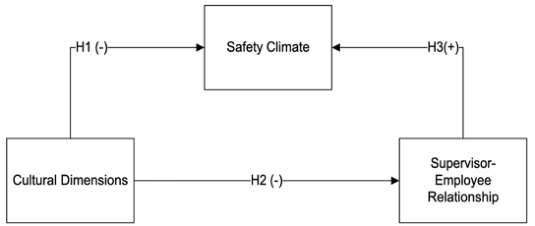
Code Description Path HI− Cultural dimensions (CD) have a significant CD →SCL
negative impact on safety climate (SCL) CD →SER H2− Cultural dimensions (CD) have a significant negative impact on the supervisor-employee relationship (SER)
SER →SCL
H3+ Supervisor-employee relationship (SER) has a significant positive impact on safety climate (SCL)
CONCLUSION
The analytical approach adopted in this study adhered to stringent methodological standards, ensuring the reliability and validity of findings related to cultural diversity, leadership, and safety climate in the oil and gas sector. This structured approach, from data screening and normality assessment to Confirmatory Factor Analysis (CFA) and Structural Equation Modeling (SEM), demonstrably enhanced research outcomes, facilitating a nuanced understanding of workplace safety dynamics. The integration of SPSS and SMART-PLS enabled an in-depth exploration of latent variables influencing safety practices, ensuring statistical rigor and credibility (Hair et al., 2019; Ringle et al., 2015). This study’s findings provide actionable insights for industry professionals, emphasizing the importance of tailored safety interventions and cross-cultural leadership training to foster an inclusive and proactive safety culture. Addressing cultural and leadership influences on safety climate is critical for improving risk management strategies, reducing workplace hazards, and enhancing overall safety performance in multinational oil and gas operations.
162 Paselk
CULTURAL DIMENSION, LEADERSHIP, AND SAFETY CLIMATE: DISCUSSION AND IMPLICATIONS This study examined the relationship between cultural diversity and workplace safety within the oil and gas industry, applying Hofstede’s cultural dimensions framework to assess its influence on safety climate (SCL) and supervisor-employee relationships (SER) (Hofstede, 2011). The research findings indicate that cultural factors significantly shape safety behaviors, with high power distance correlating with reduced safety reporting, as employees in hierarchical cultures are less likely to challenge authority or voice concerns regarding unsafe conditions (Casey et al., 2015). In these environments, employees may perceive risk reporting as insubordination, discouraging proactive engagement in safety initiatives (Mearns & Yule, 2009). Conversely, high uncertainty avoidance promotes strict adherence to safety regulations but may also hinder the adoption of new safety procedures, limiting organizational flexibility (Hofstede, 2011). Employees from high uncertainty avoidance cultures often exhibit resistance to procedural modifications, preferring rigid structures that minimize unpredictability, which can slow the implementation of improved safety strategies (Casey et al., 2015). These results provide a deeper understanding of intercultural interactions in workplace safety, reinforcing the necessity of culturally adaptive safety management strategies to mitigate risks in multinational work environments (Hofstede, 2011; Neal et al., 2000). Organizations operating in high-risk sectors must implement safety policies that accommodate diverse cultural perceptions of risk, compliance, and leadership authority (Rockstuhl, 2012). This includes developing leadership programs that enhance cross- cultural communication and address safety challenges unique to multicultural teams (Bergh et al., 2018). By incorporating cultural diversity into safety protocols, multinational corporations can improve hazard reporting rates, strengthen workforce engagement, and enhance overall safety outcomes in complex industrial settings (Miao et al., 2020).
STRUCTURAL MODEL AND HYPOTHESIS TESTING The study’s structural model tested three primary hypotheses: (H1) the direct effect of cultural dimensions on safety climate, (H2) the influence of cultural dimensions on supervisor-employee relationships, and (H3) the role of supervisor-employee relationships in shaping safety climate. Findings confirmed that cultural diversity directly influences workplace safety practices and leadership dynamics, demonstrating that variations in national culture significantly impact compliance behaviors and risk perception (Hofstede, 2011; Zohar, 1980). Employees from high power-distance cultures were less likely to report safety concerns, while collectivist cultures prioritized group cohesion over individual accountability in safety-related matters (Casey et al., 2015). Notably, supervisor-employee relationships significantly mediated the effect of cultural dimensions on safety climate, underscoring the importance of leadership alignment with cultural expectations (von Thiele Schwarz et al., 2016). Effective leadership practices, particularly
The Impact of Cultural Dimensions and Supervisory Leadership on Safety Climate 163
those fostering inclusivity and cross-cultural understanding, were shown to improve workforce engagement in safety initiatives and compliance with organizational protocols (Mearns & Yule, 2009). Supervisors who adapted their communication styles to accommodate cultural differences facilitated stronger safety participation and encouraged hazard reporting (Rockstuhl, 2012). These insights suggest that organizations must integrate cultural awareness into safety policies, reinforcing a proactive safety culture within multinational teams. By tailoring leadership development programs to account for cultural variances in risk perception and hierarchy, organizations can foster a more open and engaged workforce (Miao et al., 2020). Future research should explore additional moderating variables, such as industry experience and organizational tenure, to further refine the impact of cultural dimensions on safety climate and leadership dynamics (Bergh et al., 2018).
KEY FINDINGS AND STUDY LIMITATIONS The study identifies cultural dimensions as critical factors affecting workplace safety. Employees from high power distance cultures demonstrated reluctance in reporting safety concerns, reducing incident awareness and risk communication (Hofstede, 2011; Al Doghan et al., 2019). In hierarchical work environments, employees may fear retaliation or perceive risk reporting as disrespectful to authority figures, leading to the underreporting of hazards (Casey et al., 2015). Additionally, high uncertainty avoidance cultures resisted safety protocol modifications, complicating the implementation of revised procedures. Workers accustomed to rigid regulatory frameworks may be resistant to adaptive safety measures, favoring established procedures even when newer policies improve hazard control (Mearns & Yule, 2009). Positive supervisor-employee relationships mitigated these effects, emphasizing the role of culturally competent leadership in fostering open communication and proactive safety engagement (von Thiele Schwarz et al., 2016). Supervisors who demonstrated high levels of cultural intelligence and inclusivity were more effective in bridging gaps in safety communication, fostering an environment where workers felt encouraged to report hazards without fear of negative repercussions (Rockstuhl, 2012). This highlights the importance of leadership training programs tailored to address cultural barriers in safety-critical industries (Bergh et al., 2018). However, several limitations warrant consideration. The study was conducted in English, potentially restricting participation from non-English-speaking workers, which may have influenced response accuracy. Additionally, the sample size of 102 participants limits the generalizability of findings, necessitating future research with larger, more diverse populations to enhance external validity (Mearns & Yule, 2009). Expanding the sample to include workers from additional regions and industries will provide a more comprehensive understanding of cultural influences on workplace safety, strengthening the applicability of findings across different industrial contexts (Miao et al., 2020).
164 Paselk
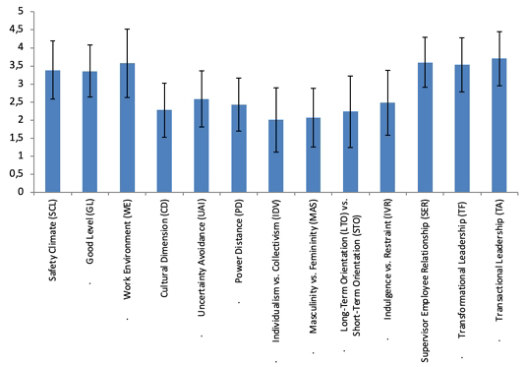
Figure 1: Means and standard variations of all variables.Figure 2: Study hypotheses in research structural model.
CONCLUSION AND PRACTICAL IMPLICATIONS This research contributes to the growing discourse on workplace safety in multinational environments, offering practical recommendations for improving safety outcomes in the oil and gas sector. The findings underscore the necessity of developing culturally adaptive safety policies that acknowledge the diverse workforce composition prevalent in high- risk industries (Hofstede, 2011). The study highlights the importance of cross-cultural leadership training, ensuring that supervisors develop competencies in managing diverse teams effectively (Johnson et al., 2006). Supervisors who demonstrate cultural awareness and adaptability can bridge communication gaps, fostering a more inclusive safety climate that encourages proactive hazard reporting and compliance with safety protocols (Rockstuhl, 2012). Organizations must incorporate cultural dimensions into safety policy frameworks, tailoring training programs to workforce diversity (Hofstede, 2011; Starren et al., 2013). Safety strategies should align with employees’ cultural values to increase engagement and ensure effective policy implementation (Bergh et al., 2018). Additionally, safety leadership programs should integrate scenario-based learning and practical case studies
The Impact of Cultural Dimensions and Supervisory Leadership on Safety Climate 165
to address real-world challenges associated with cultural diversity in safety- critical work environments (Mearns & Yule, 2009). Future research should explore the mediation effects of supervisor-employee relationships on safety climate across different industries, expanding knowledge on how cultural dynamics shape safety practices globally (Casey et al., 2015). By fostering a culturally adaptive safety environment, multinational corporations can improve workforce cohesion, reduce incidents, and enhance overall safety performance in high-risk industries. Implementing structured mentorship programs, multilingual safety training modules, and leadership workshops focused on cultural intelligence can further reinforce safety engagement and compliance across diverse operational settings (Miao et al., 2020).
ACKNOWLEDGMENT
This study builds upon the foundation established in the author’s 2023 dissertation, which served as a critical framework for the development of this article. The continued exploration of safety climate and cultural dynamics in the oil and gas industry remains a testament to the collaborative efforts of academia, industry practitioners, and research communities committed to advancing workplace safety and leadership effectiveness.
REFERENCES
Al Doghan, M. A., Sultana, R. & Khan, M. A. (2019) ‘Safety climate and cultural influences in high-risk workplaces: A case study from the oil and gas industry’, Journal of Safety Research, 70, pp. 1–10. https://doi.org/10.1016/ j.jsr.2019.02.003 Aryanto, R., Riantama, D. & Hidayat, R. (2020) ‘The role of safety culture in
influencing safety compliance in hazardous workplaces’, Safety Science, 125, p. 104622. https://doi.org/10.1016/j.ssci.2020.104622 Bergh, D. D., Aguinis, H., Heavey, C., Pierce, C. A., Bosco, F. A. & Dalal, R. S.
(2018) ‘Conducting and reporting meta-analyses: Challenges, updates, and best practices’, Academy of Management Journal, 61(3), pp. 1231–1243. https:// doi.org/10.5465/amj.2018.1111 Casey, T. W., Krauss, A. D., Turner, N. & Jeffries, F. W. (2015) ‘Work climate, safety climate, and safety performance in nuclear power plant maintenance’, Journal of Safety Research, 55, pp. 1–10. https://doi.org/10.1016/j.jsr.2015.07.002 Graham, J. W., Hofer, S. M. & MacKinnon, D. P. (1997) ‘Maximizing the usefulness
of data obtained with planned missing value patterns: An application of maximum likelihood procedures’, Multivariate Behavioral Research, 32(3), pp. 197–218. https://doi.org/10.1207/s15327906mbr3203_2 Hair, J. F., Black, W. C., Babin, B. J. & Anderson, R. E. (2014) Multivariate data analysis (7th ed.). Pearson. Hair, J. F., Hult, G. T. M., Ringle, C. M. & Sarstedt, M. (2017) A primer on partial
least squares structural equation modeling (PLS-SEM) (2nd ed.). Sage. Hair, J. F., Risher, J. J., Sarstedt, M. & Ringle, C. M. (2019) ‘When to use and how to report the results of PLS-SEM’, European Business Review, 31(1), pp. 2–24. https://doi.org/10.1108/EBR-11-2018-0203 Hair, J. F., Tatham, R. L., Anderson, R. E. & Black, W. (2006) Multivariate data
analysis (6th ed.). Pearson.
166 Paselk
Harris, D. (2010) Human factors for the design, operation, and maintenance of mining equipment. CRC Press. Heale, R. & Twycross, A. (2015) ‘Validity and reliability in quantitative studies’, Evidence-Based Nursing, 18(3), pp. 66–67. https://doi.org/10.1136/ eb-2015-102129 Henseler, J., Ringle, C. M. & Sarstedt, M. (2016) ‘Testing measurement invariance
of composites using partial least squares’, International Marketing Review, 33(3), pp. 405–431. https://doi.org/10.1108/IMR-09-2014-0304 Hofstede, G. (2011) ‘Dimensionalizing cultures: The Hofstede model in context’, Online Readings in Psychology and Culture, 2(1), pp. 1–26. https:// doi.org/10.9707/2307-0919.1014 Hystad, S. W., Eid, J. & Brevik, J. I. (2014) ‘Effects of psychological capital on safety climate and safety behaviors in the offshore oil and gas industry’, Safety Science, 64, pp. 172–179. https://doi.org/10.1016/j.ssci.2013.11.032 International Labour Organization. (2017) Safety and health in the oil and gas
industry: A regulatory overview. ILO. Retrieved from https://www.ilo.org. Johnson, J. V., Hall, E. M. & Theorell, T. (2006) ‘Combined effects of job strain and social isolation on cardiovascular disease morbidity and mortality in a random sample of the Swedish male working population’, Scandinavian Journal of Work, Environment & Health, 32(6), pp. 432–439. https://doi.org/10.5271/sjweh.1052 Kath, L. M., Magley, V. J. & Gallus, J. A. (2010) ‘Predictors of workplace safety:
A focus on gender and job satisfaction in high-risk environments’, Journal of Occupational Health Psychology, 15(2), pp. 130–141. https://doi.org/10.1037/ a0017988 Luo, X. (2020) ‘Safety culture and employee turnover in multinational oil and gas enterprises’, Journal of Business Ethics, 165(2), pp. 395–414. https://doi.org/ 10.1007/s10551-019-04281-w Mearns, K. & Yule, S. (2009) ‘The role of national culture in determining safety
performance: Challenges for the global oil and gas industry’, Safety Science, 47(6), pp. 777–785. https://doi.org/10.1016/j.ssci.2008.01.008 Miao, Q., Newman, A., Schwarz, G. & Cooper, B. (2020) ‘How leadership and culture impact safety compliance in high-risk environments’, Journal of Organizational Behavior, 41(4), pp. 433–450. https://doi.org/10.1002/job.2437 Neal, A., Griffin, M. A. & Hart, P. M. (2000) ‘The impact of organizational climate
on safety climate and individual behavior’, Safety Science, 34(1–3), pp. 99–109. https://doi.org/10.1016/S0925-7535(00)00008-4 Nielsen, K., Randall, R., Yarker, J. & Brenner, S. (2013) ‘The effects of transformational leadership on employees’ safety behavior: A study of the oil and gas industry’, Journal of Occupational and Organizational Psychology, 86(1), pp. 22–42. https://doi.org/10.1111/joop.12011 Nunnally, J. C. (1978) Psychometric theory (2nd ed.). McGraw-Hill. O’Connor, P., O’Dea, A., Kennedy, Q. & Buttrey, S. (2017) ‘Measuring safety climate in offshore environments: The role of workforce engagement’, Safety Science, 96, pp. 118–129. https://doi.org/10.1016/j.ssci.2017.03.018 Podsakoff, P. M., MacKenzie, S. B., Lee, J. Y. & Podsakoff, N. P. (2003) ‘Common
method biases in behavioral research: A critical review of the literature and recommended remedies’, Journal of Applied Psychology, 88(5), pp. 879–903. https://doi.org/10.1037/0021-9010.88.5.879 Ringle, C. M., Wende, S. & Becker, J. M. (2015) SmartPLS 3. SmartPLS GmbH.
Retrieved from http://www.smartpls.com.
The Impact of Cultural Dimensions and Supervisory Leadership on Safety Climate 167
Rockstuhl, T. (2012) ‘Cultural intelligence and leadership effectiveness in multinational teams’, Journal of Applied Psychology, 97(1), pp. 1–14. https:// doi.org/10.1037/a0023200 Siegling, A. B., Petrides, K. V. & Martskvishvili, K. (2015) ‘An examination of the psychometric properties of the Trait Emotional Intelligence Questionnaire in a cross-cultural sample’, Journal of Personality Assessment, 97(5), pp. 527–537. https://doi.org/10.1080/00223891.2015.1013219 Starren, A., Hornikx, J. & Luijters, K. (2013) ‘Occupational safety in multicultural
teams: A review’, Safety Science, 53, pp. 110-123.https://doi.org/10.1016/ j.ssci.2012.09.012 Tabachnick, B. G. & Fidell, L. S. (2007) Using multivariate statistics (5th ed.).
Pearson. von Thiele Schwarz, U., Hasson, H. & Tafvelin, S. (2016) ‘Leadership and employee well-being in a multinational oil and gas industry: The role of safety climate’, Safety Science, 89, pp. 102-109.https://doi.org/10.1016/ j.ssci.2016.06.014 Wayne, S. J., Shore, L. M. & Liden, R. C. (1997) ‘Perceived organizational
support and leader-member exchange: A social exchange perspective’, Academy of Management Journal, 40(1), pp. 82–111. https://doi.org/10.2307/257021 Williamson, A. M., Feyer, A. M., Cairns, D. & Biancotti, D. (1997) ‘The role of fatigue in accidents in transport operations’, Accident Analysis & Prevention, 29(4), pp. 453–461. https://doi.org/10.1016/S0001-4575(97)00015-6 Yule, S., Flin, R. & Murdy, A. (2007) ‘The role of management and safety climate in preventing risk-taking at work’, International Journal of Risk Assessment and Management, 7(2), pp. 137–151. https://doi.org/10.1504/IJRAM.2007.011471 Zohar, D. (1980) ‘Safety climate in industrial organizations: Theoretical and applied
implications’, Journal of Applied Psychology, 65(1), pp. 96–102. https://doi.org/ 10.1037/0021-9010.65.1.96 Zohar, D. & Luria, G. (2005) ‘A multilevel model of safety climate: Cross-level relationships between organization and group-level climates’, Journal of Applied Psychology, 90(4), pp. 616–628. https://doi.org/10.1037/0021-9010.90.4.616
LISTED IN THE AHFE DIGITAL BOOKSTORE CATALOGUE
Explore the complete digital volume
Safety Management and Human Factors
Read this individual research paper free through the original publisher, or explore the full digital proceedings book.
ISBN 978-1-964867-65-6
Explore this ISBN in the AHFE Bookstore ↗Listed in the July 2026 bookstore catalogue; search by ISBN to confirm current availability · Digital book purchase optional