Adriano Varasquin, Giles Balbinotti, Leandro Vieira, Nelson Colossi (2022). The Benefits of Developing People to Acquire Competences in Ergonomics. In: Advances in Ergonomics In Design, Usability & Special Populations: Part II. AHFE Open Access, vol. 19. https://doi.org/10.54941/ahfe1001227
The current macroeconomic environment is highly competitive the search for best practices aimed at producing products and effectively and at lower cost services is a constant search for organizations thus ensuring that all resources are used optimally to maximize profit. To meet these needs the development of people have an important role in the whole process the acquisition or improvement of competences through training streamlining activities developing practices aimed at continuous improvement will help employees improve the quality of work life increasing their performance and productivity. Ergonomics is an applied science to the development of machines systems and tasks in order to provide greater security hygiene and comfort of the general working conditions helping to increase productivity and efficiency of the process and also to improve the quality of life of employees. This case study was conducted in an automotive industry with the aim of analyzing the efficiency and effectiveness in the development of competences related to ergonomics and accident prevention measures. The information reported in this study was obtained in a field survey using questionnaires data analysis and routine documents and observations of the day- to-day company.
Several changes have been taking place every day in the global market this happens due to the great speed and increased competitiveness between organizations. And in that world stage management competencies shall make the big difference. According to Fleury and Fleury (2001) with the revolution the term competency before only belonged to the legal language and now started to be used in organizational language concept as having the ability that people have to play with a certain efficiency role.
According to Quinn (2003) management by competence is a management model that aims to integrate and guide efforts especially those related to people management in order to develop and sustain competences considered essential to organizational goals. Currently companies seek behavioral changes attitudes reflections of our values and beliefs that make the difference always seeking personal and professional development.
COMPETENCES The word competence is derived from Latin competere competence is a set of efforts. In the late Middle Ages the term competence was associated primarily with legal language. Referred to the power given to someone or an institution to assess and judge certain issues (BITENCOURT 2002).
One way of defining competence is through the KHA which means Knowledge Skills and Attitudes. Knowledge is on the know-how technical knowledge academic training of the operator. Skills are skills developed through experience practice experience and mastery of tasks. Have attitudes are personal skills that depend on the values of each and refer to human behavior. Fleury and Fleury (2004) define competence as an ability to act responsible and recognized that implies mobilize integrate transfer knowledge resources competences that add economic value to the organization and social value to the individual. According to Le Boterf (2003) competence needs to be rethought focus on three axes: one for training educational background and professional experience.
ERGONOMICS The studies related to ergonomics emerged after World War II as a result of interdisciplinary work done by various professional seasons. Initially linked to industrial activities involving man and machine. According to IIDA (2005) expanded ergonomics today that covers all types of human activities mainly in the service sector such as health education and transportation. Including human activities such as motion posture information flow control works cognition forms of work organization and other human factors.
Another important aspect studied by ergonomics as Balbinotti (2003) are the concern improvements in employment and seeks to place them in the best possible condition to avoid accident or excessive fatigue and improve performance. Ergonomics is now an increasingly mentioned aspect within companies to be connected to virtually all areas directly related to the health and welfare of employees and the quality of products and services offered by the organization.
ACQUISITION OF COMPETENCES ERGONOMICS Competence is defined as a combination of attributes that highlight some aspect of job performance success. A sketch of focal competences in ergonomics should describe what an ergonomist can do in practice. The scope is broad and ergonomics ergonomists may be involved in proactive applications and retrospectives of problem solutions. The contexts of the practice of ergonomics are also diverse and recommendations can relate to the workplace. According manly and VIDAL (2011) and Manly Ergonomics is the science that studies and makes the reality of people who work in search of productivity gains through its main component human comfort. With the increasing complexity of work environments there is a need for a detailed study to identify situations and effects of accidents risk to the health of workers. Ergonomic training aggregate knowledge to help the individual adjust your desktop as reviews such actions IIDA (2005) reduce fatigue and monotony or eliminate highly repetitive work and a possible lack of motivation caused by low participation of employees in performing their duties . Ergonomic training also helps in analysis of general environmental conditions such as temperature and vibration noise toxic gas lighting. These can be recognized by certain symptoms such as high level of absenteeism, accidents and errors diseases employee turnover.
Ergonomics is careful to make referrals to training because they can mean the adaptation of man to work. But training allows the realization of activity with lower cost to the employee principally in terms of psychological distress since before the execution of the task he will receive guidance and information on how to accomplish it. According to Abraham (2009) the central goal of ergonomics is to design and / or adapt work situations compatible with the capabilities and respecting the limits of the human being. This implies therefore recognize the ethical premise of the primacy of man over the job that a given job can adapt to man but not all men can adapt to a given work.
METHODOLOGY
The research presented was applied to an automotive industry of Paraná - Brazil where acquiring ergonomic competences are present in processes of day-to - day operations through the practice of simplifying development of training activities aimed at improving practices still use studies study of muscle groups and movements. All these proceedings were created with the purpose of analyzing and studying the different situations involving man working postures and movements by improving working conditions and product quality by reducing absenteeism, accidents and improving productivity.
The company promotes several actions in order to acquire competences related to ergonomics among them are: Study of Use of Muscle Groups: Study of the muscle groups required by risk activity performed in this study put through the company promotes casters activities so that the operator has different movement patterns reducing quality problems and especially health. Identifying Ergonomics Posts with Difficult: Studies and actions to align diagnostics in order to make the actions in workplaces safer and with less complexity. Encourage actions to improve the ergonomics of work where supervisors and technical specialists identify and classify jobs by booth color green job with a satisfactory level of ergonomics in yellow color jobs with one or two observed and identified constraints and identified jobs the red color with important restrictions.
Kaizen: The toolset aimed at continuous improvement of processes improvements in employment and also the working conditions of employees. According Balbinotti (2003) kaizen tool can reduce the physical effort through actions such as the proper way to use tools and better posture.
Training: Training to generate discussions towards greater efficiency ergonomics improvements reduce time movements of staff responsiveness and speed in the process cycle.
Dexterity: Action that allows the formation of gestures and steps to reduce the execution time of activities related to improving job quality fluidity in movement and helps correct posture workers. The domain that jurisdiction reduces the dispersion of performance so the risks of non - quality promoting the optimization of operations improving ergonomics and safety in the workplace.
DISCUSSIONS RESULTS This market research was carried out in a company of the automobile industry. To analyze the data we used statistical data and a questionnaire to identify the importance and efficiency of acquisition-related ergonomics in improving business results and importance according to the viewpoint of employees’ competences. Below the graphic presentations and comments made by staff:
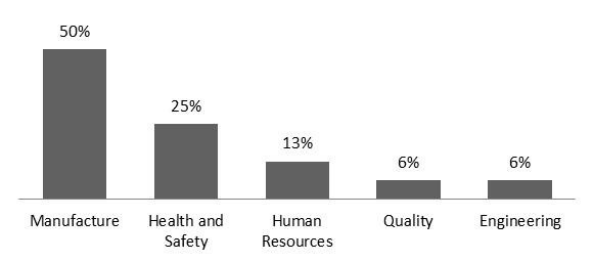
Figure 1. Sectors research participants.
Graph 1 represents the areas of research participants represented 50% of employees in manufacturing 25% health and safety human resources 13% 6% of quality engineering sector and 6%.
Graph 2. Degree of importance of ergonomics shares in company results.
Graph 2 shows the shares of which have greater importance of ergonomics actions on improving business results for 44% of respondents identifying jobs with difficult ergonomics has major relevance in the results of the company followed by the promotion of activities of Kaizen - Continuous improvement 33% Dexterity 13% with studies of muscle groups with 6% and ergonomic training.
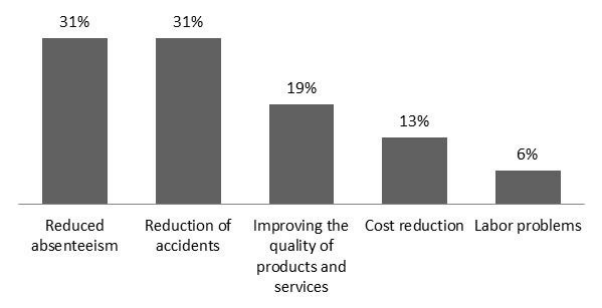
Figure 3. Acquisition of competence in improving the results.
Graph 3 details the views of the participants regarding acquiring ergonomic competences in company results 31 % believe that acquiring ergonomic competences reduce absenteeism and reduce accidents in the 19 % company contribution in improving the quality of products and services 13 % reduction in costs and 6 % reduction in labor problems. Below the main comments from staff regarding the importance of ergonomic ergonomics competences and actions proposed by the company:
- Lower absenteeism least amount of leave due to stress less physical problems among team members etc ...
And as a consequence greater productivity with quality.
- Improving cognitive part is evident reduction of quality problems. An ergonomically structured workplace present a lower wear better organization operator (with 5S which also focuses on the ergonomic aspects) of the station generating an improvement of the products presented.
- The development of competences related to ergonomics surely resonates in improving the quality of life of employees’ product quality and reducing absenteeism in the workplace.
- Ergonomic comeptences promote many benefits but in particular reduces the rate of absenteeism in that ergonomic conditions improve decrease the clearances.
- When the company deploys an ergonomics program to promote ergonomics in their day -to-day it shows the concern that the employee has. And even the employee has concerns about their health within the company.
- With this the company increases its productivity reduces absenteeism (missing work) reduces accidents and incidents reduce distant and restricted.
- The company culture is clear and concern for ergonomics but even with that we still put existing culture with conditions to be improved.
Based on some secondary data it was found that the company has a real concern for the development of competences in ergonomics through gender training offer studies and other research activities represented below by some indicators programs:
2,26
1,87 1,80
GOOD
2011 2012 2013
Figure 4. Index of absenteeism in the company.
Figure available in the original PDF paper.
As shown in graph 4 absenteeism rates (absence of employees at work) had a reduction from 2011 to 2013 with the aid of ergonomic development of competences proposed in their programs and daily activities related to ergonomics.
9.890
GOOD
6.648 7.249
2011 2012 2013
Figure 5. Hours of training safety and ergonomics.
Figure available in the original PDF paper.
In 2013 9.890 hours of training related to ergonomics and safety were offered internally in the company increased by 36% compared to 2012 and 49% compared to 2011. These courses represent xx% off the total hours of all trainings offered in the company in 2013 as described in graph 5.
10%
7%
3%
GOOD
2011 2012 2013
Figure 6. Critical positions.
Figure available in the original PDF paper.
The jobs in the company ergonomics program is divided into three groups classified by the color green jobs where the work is performed without yellow posts where activities are carried out with some difficulty and red ergonomic ergonomic difficulties posts where the worker has medium or high percentage accidents and obtaining muscular problems . Chart 6 shows that the percentage of red stands has decreased between 2011 and 2013. In 2013 they represent only 3 % of all jobs in the company. These posts were reduced with the aid of identification tool such posts and actions of experts and operators of these stations to propose the improvement of the classification of posts. According Balbinotti (2003) Ergonomics seeks not only to prevent workers from stressful and / or dangerous jobs but seeks to place them in the best possible working conditions to avoid the accident or excessive fatigue and improve performance.
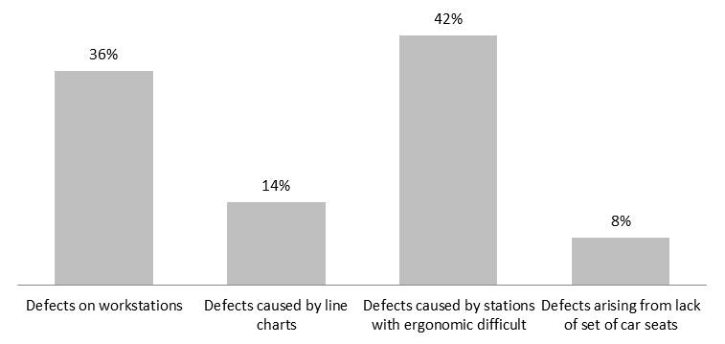
Figure 7. Relation of ergonomics with the quality of the product.
As noted graph 7 it is possible to identify the relationship of ergonomics with the product quality posts classified with difficult ergonomics where operations are performed with restrictions and accident rate is also high are 42% of the identified defects in product quality.
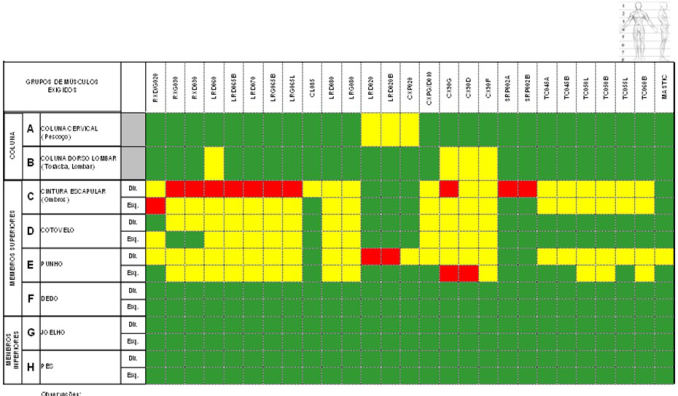
Figure 8. Use of muscle groups.
The company is building a mapping from use of muscle groups as shown in Figure 8. This study aims to ensure better castor activities in the workplace by operators mapping shows which muscles are used in certain activities thus enabling the castor when the activities put in that same muscle group is not used in another activity to be performed.
CONCLUSION
Through this research it was concluded that the pursuit of developing ergonomic competences are directly linked to quality of life health welfare and improvement of product quality. These issues are present in organizational culture despite the quest for higher percentages of market share (market share) and increased profits are the main objectives of the company that somehow end up hurting the progress of processes results. Favorable working conditions for the performance of activities motivating employees by favorable working environment for the realization of their work is more efficient providing cost reduction because the decrease absenteeism and also improve the quality of their products and services. The improvement of these indices are due to several programs of competences development offered by the company as the study of the use of muscle groups in the performance of operational activities identification study and appropriateness of jobs with hard ergonomics related KAIZEN practices aimed at continuous improvement of activities offer several hours of training on ergonomics and safety among others.
With the field research were identified that most employees know the schemes of ergonomic competences and that these practices directly affect the company's results. Another issue often mentioned by staff was that all programs related to ergonomics significantly reduce absenteeism rework and improving productivity and organizational climate these issues were confirmed by results presented by the company decreased considerably after the implementation of programs.
With much of the activities carried out by machines without the dependence on physical strength of man 's participation worker is seen today reduced but not least so because every company is made up of people who carry out their activities with a greater focus on decision making so it can be concluded that ergonomics in the modern world becomes increasingly important as ergonomics also seeks to improve the cognitive aspects such as improving the learning assisting the company in search of its main objectives.
REFERENCES
Abrahão J. (2009), “Introdução à Ergonomia: Da prática a teoria”. Balbinotti, G. (2003), “A Ergonomia como Princípio e Prática nas Empresas”. Fleury, A. (2001), “Estratégias empresariais e formação de competências: um quebra-cabeça caleidoscópio da indústria brasileira”. Ilda, I. (2005), “Ergonomia - Projeto e Produção”. Másculo, M. e Vidal, C. (2001), “Ergonomia – Trabalho adequado e eficiente”. Quinn, R. (2003), “Competências Gerenciais: princípios e aplicações”.
LISTED IN THE AHFE DIGITAL BOOKSTORE CATALOGUE
Explore the complete digital volume
Advances in Ergonomics In Design, Usability & Special Populations: Part II
Read this individual research paper free through the original publisher, or explore the full digital proceedings book.
ISBN 978-1-4951-2107-4
Explore this ISBN in the AHFE Bookstore ↗Listed in the July 2026 bookstore catalogue; search by ISBN to confirm current availability · Digital book purchase optional