Robin Bakir, Maximilian Müller, Dennis Bakir (2024). SME-capable Innovations-Management-System as a Service: Artificial Intelligence by click. In: Human Interaction and Emerging Technologies (IHIET 2024). AHFE Open Access, vol. 157, pp. 240–248. https://doi.org/10.54941/ahfe1005483
The rapid advancement of Artificial Intelligence (AI) is reshaping the landscape of innovation management, especially regarding Small and Medium-Sized Enterprises (SMEs). This paper explores the integration of AI technologies into SMEs' innovation processes, demonstrating how AI can automate complex tasks and enhance operational efficiency and innovation outcomes. Aligned with the structured innovation management processes of DIN EN ISO 56002, encompassing five critical stages— [1] Idea Generation & Evaluation, [2] Concept Development, [3] Development, [4] Prototype Building & Testing, and [5] Production & Market Launch—this study introduces the developed service framework "eskalator.io." By leveraging Large Language Models (LLMs) and APIs, this innovative approach streamlines data analysis and project evaluation, facilitating a nuanced analysis of customer feedback, technical specifications, and market research data to optimize decision-making.The study addresses challenges in adopting AI technologies, such as security and privacy concerns, emphasizing the importance of ongoing developments for secure and ethical AI integration within SMEs' innovation ecosystems. It aims to contribute to the broader discourse on AI's transformative role in enhancing SMEs' innovation capabilities while proposing future research directions. Common barriers to AI adoption and effective innovation management in SMEs, including lack of technical expertise, administrative burdens, and skepticism about tangible benefits, underscore the need for tailored, user-friendly solutions to encourage broader adoption.
In the landscape of digital transformation, a new horizon is emerging for Small and Medium-Sized Enterprises (SMEs) to enhance their innovation processes. At the forefront of this shift is Artificial Intelligence (AI), which plays a pivotal role in fostering the development of autonomous decision-making systems, thereby revolutionizing innovation management through automation (Keicher et al., 2022). This paper introduces an advanced service framework, designed to streamline the complexities of innovation management, like DIN ISO 56002, for SMEs, leveraging workflow automation. Recognized for its innovation, the system integrates a
SME-Capable Innovations-Management-System as a Service: Artificial Intelligence by Click 241
highly customizable automation framework aimed at ensuring unparalleled flexibility and scalability.
Through the incorporation of Application Programming Interfaces (APIs) and the utilization of Large Language Models (LLMs), the framework facilitates a deep analysis of customer data, meticulously processing initial data to extract and categorize vital information from customer feedback, technical specifications, and market research. Each component is managed through dedicated processing pathways, setting the stage for an in-depth discussion on how the framework’s automation transcends mere expert opinion preparation, covering broader processes such as preliminary funding reviews and the nuanced evaluation of innovative projects.
Participating in this study was a diverse sample of German SMEs from various industries, providing a broad perspective on the impacts of AI integration in innovation management. Prior to the implementation of the AI framework, indicators such as the number of innovations, time to market, and project processing efficiency provided a baseline for evaluating the effectiveness of the AI-driven approach to enhancing the innovation management process. Table 1 showcases the significant improvements observed in key innovation metrics after implementing the AI framework, including a 120% increase in the number of innovations per quarter, a 33% reduction in time to market, and a 75% improvement in the success rate of innovation projects.
Table 1. Increased efficiency and improvement in innovation management through AI framework.
Table available in the original PDF paper.
Improvement
Indicator Before implementation
After implementation Number of innovations per quarter 5 11 +120% Average time to market launch (days) 540 360 -33% Number of projects processed 22 39 +77% Customer satisfaction (1-10 scale) 6.5 8.2 +26% Matched funding opportunities per idea 0.75 5 +566% Time saved in project evaluation (hours) - 272 - Success rate of innovation projects (%) 40% 70% +75%
METHODOLOGY
In this study, we adopted a mixed-methods research approach to meticulously evaluate the deployment and effectiveness of an advanced Artificial Intelligence (AI) service framework in enhancing the innovation management processes within Medium-Sized Enterprises (SMEs) (Makowski & Kajikawa, 2021). The methodology commenced with a detailed articulation of the research problem, emphasizing the challenges SMEs face in innovation management and the transformative potential of AI to address these issues (Meng et al., 2021). A comprehensive, dual-faceted strategy was employed for data collection and analysis (Tanev & Blackbright, 2022). Quantitative
data and efficiency improvements was systematically gathered through the platform’s built-in analytics, while qualitative insights were derived from semi-structured interviews with SME personnel to capture nuanced experiences and perceptions of the AI impact.
This blend of quantitative and qualitative analysis allowed for a rich, multi-dimensional understanding of the effectiveness, ensuring both the statistical rigour of measurable outcomes and the depth of insight into user experiences. Throughout the research process, the study navigated various challenges, such as ensuring the relevance and comprehensiveness of data collected, by implementing standardized protocols for data processing and adapting interview schedules to accommodate participant availability.
The choice of methodology, underpinned by a rigorous review of existing literature on AI applications in innovation management, was justified by the need to achieve a holistic evaluation of the AI framework integration into SMEs’ innovation ecosystems, thereby ensuring the reliability, validity, and replicability of the findings.
DATA COLLECTION THROUGH AI-ENHANCED AUTOMATION The initial phase of integrating the “eskalator.io” framework was focused on the meticulous collection of project data, setting a solid foundation for a transformative ISO 56002 innovation management strategy. Utilizing an advanced Application Programming Interface (API), the framework was designed to efficiently gather detailed information on each project submission. This included customer feedback, technical specifications, and market research data, which were crucial for the subsequent analytical processes. The methodical approach to data collection was not merely about aggregation but ensuring that the data aligned with the strategic needs of the SME, thereby facilitating a targeted analysis that would directly inform the innovation process. This phase was pivotal in ensuring that all necessary information was captured accurately, laying the groundwork for the sophisticated analysis that followed.
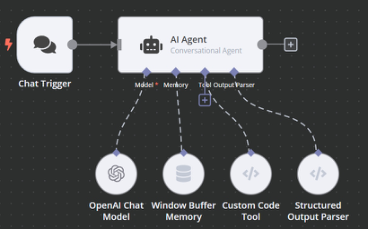
The data collection process was significantly enhanced using prompt engineering, which enabled direct and effective as well as GDPR-compliant communication with the AI capabilities, see Figure 1. By precisely defining the criteria and parameters for data collection, the platform could autonomously identify and gather the relevant information required for a comprehensive analysis. This approach not only streamlined the data collection phase but also ensured that the subsequent analysis was based on complete and accurate data. The efficiency and precision in collecting project- related information underscored the company’s commitment to leveraging cutting-edge technology to optimize its innovation management practices, thereby enabling a more strategic allocation of resources towards high- potential innovation projects.
DATA PROCESSING AND EVALUATION ENHANCEMENT Following the collection of project data, the process transitioned into the critical phase of data processing and evaluation, as illustrated in Figure 1,
SME-Capable Innovations-Management-System as a Service: Artificial Intelligence by Click 243
which showcases an exemplary data analysis module using AI to process the data. Within this stage, the “eskalator.io”framework employed sophisticated AI algorithms to analyze the collected data, leveraging integrated Artificial Intelligence capabilities to autonomously categorize project submissions based on predefined criteria. This process involved an in-depth analysis of the gathered information, where AI-driven insights identified key patterns and deviations. The objective was to distill the vast array of data into actionable intelligence that could inform strategic decision-making and project evaluation. The result was a comprehensive evaluation report that synthesized the separate analysis results in a coherent and sequential order, reflecting the ability to deliver insightful assessments through an automated validation process.
This phase was significantly bolstered by a structured workshop series designed to establish clear interfaces and responsibilities, effectively supporting the operational deployment and integration of the AI system. The initial phase began with setting up the system and conducting a kick- off workshop to align all stakeholders with the framework’s capabilities and expected outcomes. This was followed by three focused work phases during the innovation stage, where iterative reviews and adjustments were made to optimize the framework’s performance based on real-time data and feedback. The final learning phase involved evaluating the experiences and results achieved, allowing the SME to refine its approach and prepare for future projects.
The impact of this advanced data processing capability was profound, dramatically improving the company’s operational efficiency and the effectiveness of its innovation management process based on ISO 56002. By automating the categorization and evaluation of projects, the framework not only reduced the time and resources traditionally required for these tasks but also enhanced the accuracy and reliability of the evaluations. This enabled the SME to quickly adapt to changing market demands and customer needs, fostering a dynamic environment conducive to continuous strategic development. The deployment marked a significant milestone in the company’s pursuit of innovation excellence, showcasing the potential of AI to transform the core aspects of innovation management from data collection to the nuanced evaluation of projects.
Figure 1: Data analysis module.
ENHANCING OPERATIONAL EFFICIENCY AND EFFECTIVENESS The introduction of the automation framework fundamentally transformed the way Medium-Sized Enterprises (SME) are approaching evaluation and management of its innovation projects. At the heart of this transformation was the capability to meticulously process and analyze project data, including customer feedback, technical specifications, and market research. This initial data processing facilitated a structured analysis, enabling the identification of key trends and deviations which were then meticulously categorized according to predefined criteria. Such a detailed evaluation process not only streamlined the assessment of projects but also allowed for the aggregation of individual evaluation elements into a comprehensive evaluation report. This report, generated through an automated validation process, ensured the integrity and completeness of the assessment, setting the foundation for informed decision-making regarding project viability and alignment with innovation goals.
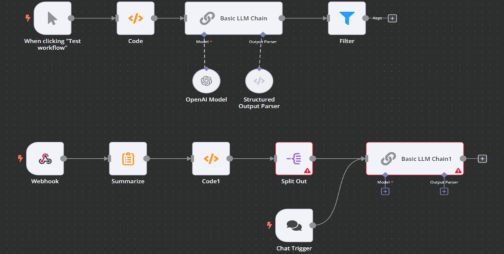
Moreover, the utility extended beyond the initial assessment phase, encompassing critical aspects such as preliminary funding review and the facilitation of funding applications, payment requests, and interim reports. By automating these processes, the framework significantly reduced the administrative workload, freeing up valuable resources to focus on core innovation management activities. The AI framework also supported the enterprise in submitting detailed project information through an API, streamlining the creation of applications for funding and other financial supports. This capability not only optimized the company’s operational procedures but also enhanced its ability to communicate efficiently with project holders, ensuring a seamless flow of information and facilitating a more agile response to funding opportunities. Through the strategic implementation of this framework, the SME effectively elevated its operational efficiency and effectiveness, reinforcing its commitment to innovation and securing a competitive edge in the dynamic business landscape. An example of an automated workflow facilitated by this transformation is depicted in Figure 2.
Figure 2: Example for an automated workflow.
SME-Capable Innovations-Management-System as a Service: Artificial Intelligence by Click 245
ENHANCING COLLABORATION The implementation within the Medium-Sized Enterprise (SME) significantly transformed the collaborative dynamics between the company and us, establishing a highly interactive and responsive framework. One of the key features facilitating this dynamic collaboration was the capability to send real-time notifications and push updates, ensuring both parties remained informed of any changes, missing information, or new insights relevant to ongoing projects. This level of interactivity ensured that the process of innovation management became more collaborative, with an efficient flow of information enabling rapid responses to emerging needs or adjustments required in the project evaluations.
Moreover, the framework was designed with functionalities that allowed for shared access to project data and evaluation reports, enabling both parties to engage in joint project appraisals. This shared access fostered a transparent environment where feedback could be exchanged freely and efficiently, directly contributing to refining innovation strategies, and aligning them more closely with market demands and customer expectations. The integration of these functionalities not only streamlined the communication process but also empowered us to play a more active role in the company’s innovation management process, enhancing the collective capability to drive forward strategic initiatives.
INTEGRATION AND STRATEGIC DEPLOYMENT The strategic implementation of the “eskalator.io”framework fundamentally transformed the production and market introduction phases within the SME. This phase not only supported the internal management and evaluation of innovation projects but also facilitated the seamless introduction of products to the market. By optimizing communication paths and accelerating the time-to-market, the framework significantly enhanced the company’s capability to respond dynamically to market demands. Utilizing sophisticated AI algorithms, the framework effectively streamlined the transition from prototype testing to full-scale production, ensuring that projects aligned with strategic goals were rapidly brought to market. This approach not only solidified the company’s position in a competitive business environment but also underscored the potential of integrated AI solutions to drive continuous innovation and growth. The operational efficiencies gained through this AI- driven process reflect a significant leap in the company’s ability to innovate at scale, proving that strategic AI integration is not just about technological enhancement but also about aligning technological capabilities with broader business objectives and market opportunities.
DISCUSSION
The introduction of an automation framework “eskalator.io” into SME operations illuminates the nuanced interplay between human innovation management and artificial intelligence systems, catalyzing a reevaluation of traditional processes within the framework of digital transformation.
The capacity of AI to autonomously manage and critically evaluate innovation projects, facilitated through advanced API integrations and prompt engineering, heralds a significant advancement towards streamlining the innovation management lifecycle. This fusion of technology and strategy not only democratizes the assessment process but also elevates the efficiency and effectiveness of innovation practices within SMEs. However, this evolution prompts a critical discussion on the integration’s breadth, probing into the extent and manner in which AI systems could complement or substitute human roles in the innovation spectrum.
The crux of integrating AI into innovation management hinges on the balance between leveraging AI’s capabilities for enhanced decision-making and maintaining the indispensable human insight within the innovation process. While AI can process and analyze vast datasets with unparalleled speed and accuracy, the nuanced judgment and strategic foresight of human managers remain irreplaceable. The automation framework design to incorporate AI-driven analysis and evaluation underscores a collaborative model where technology augments human expertise rather than supplanting it. This collaborative approach not only ensures the alignment of innovation projects with strategic objectives but also fosters a dynamic environment conducive to adaptive and responsive innovation management.
To enhance the acceptance of this framework and align with DIN EN ISO 56002 standards, the system is designed to mitigate common barriers such as technical complexity and administrative burdens. By simplifying the integration and operation processes, the framework aims to improve accessibility for SMEs, encouraging wider adoption and adherence to structured innovation management processes. This is crucial for SMEs that may lack the resources to engage deeply with complex AI systems or ISO standards independently.
Nevertheless, the deployment of such advanced systems within SMEs is not devoid of challenges, particularly concerning security, privacy, and the ethical implications of AI decisions. The integration of robust encryption protocols, access control mechanisms, and continuous security monitoring addresses these concerns, establishing a secure foundation for managing sensitive innovation data. However, the ethical considerations surrounding AI’s decision-making processes and transparency necessitate ongoing vigilance and adherence to evolving standards and regulations. Additionally, the collaborative dynamics facilitated spotlight the importance of human-AI interaction, suggesting that the future of effective innovation management lies not only in technological advancement but also in fostering an environment where technology and human expertise coalesce to drive innovation forward.
CONCLUSION
This investigation reveals the pivotal role of Artificial Intelligence (AI) in redefining innovation management within Small and Medium-Sized Enterprises (SMEs). By integrating an AI-enhanced framework, we have illuminated the pathway for SMEs to enhance their management of innovation activities with unprecedented efficiency and effectiveness.
SME-Capable Innovations-Management-System as a Service: Artificial Intelligence by Click 247
This initiative underscores the capacity of AI to simplify and refine complex innovation processes, catalyzing a shift towards a more vibrant and inventive operational paradigm. Yet, this exploration also brings to the forefront the intricate challenges that accompany the deployment of AI technologies— namely, issues surrounding security, privacy, and the ethical dimensions of AI application. These concerns underscore the necessity of a nuanced approach to integrating AI into the innovation management framework, ensuring that technological advancements are harmonized with rigorous security and ethical standards.
Looking to the future, the potential for expanding the application of AI-enhanced frameworks across varied industry sectors, coupled with the incorporation of more advanced AI functionalities, presents a promising research direction. Such explorations could further elucidate the ways in which AI can be harnessed to provide even deeper insights into innovation projects, thus amplifying its utility within SME innovation ecosystems. Additionally, the examination of user feedback mechanisms and their influence on the iterative refinement of AI frameworks may offer critical insights into how user-centric design principles can amplify the impact of AI systems in supporting organizational innovation. This study advocates for a strategic synthesis of AI capabilities and human expertise as a cornerstone for evolving the domain of innovation management. It posits that a judicious integration of AI not only addresses the limitations inherent in traditional, human-centric approaches but also leverages digital transformation as a conduit for enhancing the creativity, responsiveness, and strategic agility of SMEs. Through this lens, we envision a future where AI acts not as a replacement for human ingenuity but as a powerful ally, propelling SMEs towards a horizon of boundless innovation and growth.
ACKNOWLEDGMENT
The authors would like to thank the Mission Top 5 initiative for their support in advancing Germany’s position among Europe’s top competitive economies and promoting a digitalized future. Their cooperation has been invaluable in our research on the impact of AI in SMEs.
REFERENCES
Haefner, Naomi. Wincent, Joakim. Parida, Vinit and Gassmann, Oliver. (2021).
Artificial intelligence and innovation management: A review, framework, and research agenda, Technological Forecasting and Social Change. Hutchinson, Philip (2020). Reinventing Innovation Management: The Impact of Self-Innovating Artificial Intelligence. https://dx.doi.org/10.1109/TEM.2020. 2977222 Keicher, Lukas; Ardilio, A.; Nawroth, G. (2022). Boosting Innovation by Artificial
Intelligence (AI): Effects and Potentials of AI in the Process of Innovating. https://dx.doi.org/10.23919/PICMET53225.2022.9882591 Makowski, Piotr Tomasz and Kajikawa, Yuya. (2021). Automation-driven innovation management? Toward Innovation-Automation-Strategy cycle, technological Forecasting and Social Change.
Meng, Fansheng; Han, B. (2021). Research on the Impact of Innovation Input on Artificial Intelligence Technology Empowerment and Performance of Manufacturing Enterprises. https://dx.doi.org/10.1109/EIMSS53851.2021. 00134 Tanev, Stoyan and Blackbright, Helena. (2022). Artificial Intelligence And Innovation Management, World Scientific, Series on Technology Management Volume 38.
LISTED IN THE AHFE DIGITAL BOOKSTORE CATALOGUE
Explore the complete digital volume
Human Interaction and Emerging Technologies (IHIET 2024)
Read this individual research paper free through the original publisher, or explore the full digital proceedings book.
ISBN 978-1-964867-33-5
Explore this ISBN in the AHFE Bookstore ↗Listed in the July 2026 bookstore catalogue; search by ISBN to confirm current availability · Digital book purchase optional