Abner Flores, Andrew Pagan (2025). Implications and Impact of Adopting Recommendations From the DOT/FAA/AM-24/20 Report on the Use of Electronic Health Records (EHR) to Support Pilot Aeromedical Certification. In: Training, Education, and Learning Sciences. AHFE Open Access, vol. 193, pp. 160–169. https://doi.org/10.54941/ahfe1006657
Publisher statistics will load when you open Metrics.
AHFE OPEN ACCESS OPEN ACCESS CONFERENCE PROCEEDINGS PAPER
Implications and Impact of Adopting Recommendations From the DOT/FAA/AM-24/20 Report on the Use of Electronic Health Records (EHR) to Support Pilot Aeromedical Certification
This study investigates the implications of adopting the recommendations outlined in the DOT/FAA/AM-24/20 report, which advocates for the integration of Electronic Health Records (EHR) into the pilot aeromedical certification process (Watson, et al., 2024). Given the increasing demand for modernization within aviation and the heightened focus on safety, the implementation of EHR systems in medical certification processes presents both opportunities and challenges. Provenzano, et al. (2024) argues that the adoption of “electronic health records offers improved communication and information sharing while reducing medical staff errors” (Provenzano, et al., 2024). This paper assesses the broad potential impact of EHR adoption on areas such as pilot recruitment, training, health management, privacy concerns, and aviation workforce dynamics. Furthermore, it critically examines the ethical, technical, and logistical considerations inherent in the transition to EHR-based certification. EHRs are expected to increase efficiency in healthcare delivery, improve healthcare quality, and relieve increased financial pressure (Basil, et al., 2022). Despite the potential for associated benefits however, “EHRs are potentially vulnerable to security concerns that may affect the confidentiality and privacy of patients’ personal information” (Basil, et al., 2022). The primary aim of this research is to evaluate how the implementation of EHR systems can enhance the overall efficiency, accuracy, and consistency of pilot aeromedical certification. The paper discusses the potential benefits of EHR adoption, particularly in addressing the growing pilot shortage and improving the tracking of chronic health conditions and/or health risk factors, such as obesity, elevated psychological fatigue, cardiovascular disease or diabetes, that may affect flight safety. The legal and ethical dimensions of managing pilot health data, emphasizing the importance of adherence to privacy regulations, such as the Health Insurance Portability and Accountability Act (HIPAA), and the need for informed consent from pilots regarding the use and storage of their health information are also explored. One key issue is the resistance from stakeholders, including pilots, medical examiners, and aviation organizations, represents another significant challenge. Pilots may be apprehensive about the transparency and accessibility of their health records, fearing potential impacts on career opportunities or insurance premiums. The potential workforce implications of adopting EHR systems are also discussed, particularly the shift in responsibilities for medical examiners and the demand for IT professionals skilled in managing electronic health records. Long-term, the use of EHR systems could provide significant benefits for active pilots, facilitating continuous health monitoring, early detection of medical issues, and more effective management of pilot health over time. This could lead to improved overall aviation safety, with proactive health management reducing the risk of incidents related to undiagnosed medical conditions. Future research should focus on the long-term effects of EHR integration, particularly its impact on pilot health outcomes, workforce shortages, and regulatory processes. The development of guidelines, training programs, and regulatory frameworks aimed at optimizing the benefits of EHR adoption for aviation safety and workforce sustainability is recommended.Keywords: Electronic Health Records (EHR), Pilot Aeromedical Certification, Aviation Safety, Privacy and Security, Pilot Recruitment, Workforce Implications, Data Security
Implications and Impact of Adopting Recommendations 161
the pilot medical certification process (Watson et al., 2024). The study identifies six distinct use cases, each characterized by unique initiating parties, business models, data storage methodologies, legal considerations, system architectures, and operational constraints. While the primary focus of the DOT/FAA/AM-24/20 report is to assess the technical feasibility, regulatory compliance, and privacy implications associated with the deployment of EHRs in aeromedical certification, the scope of this research extends beyond these foundational aspects. Specifically, this study aims to evaluate the broader impacts of EHR implementation, encompassing operational efficiency, systemic integration challenges, potential effects on pilot health monitoring, and the implications for aviation safety. Addressing these aspects is critical for ensuring that the adoption of EHRs not only meets legal and technical requirements but also enhances the overall effectiveness and reliability of the aeromedical certification framework.
SCOPE OF THE REVIEW This scope review examines the potential implications of integrating Electronic Health Records (EHR) into the pilot aeromedical certification process, as recommended in the DOT/FAA/AM-24/20 report (Watson et al., 2024). The study extends beyond that of the technical feasibility and regulatory compliance aspects discussed in the report, exploring the broader impact on aviation safety, workforce dynamics, and associated ethical considerations. The implementation of EHR systems in aeromedical certification is expected to improve data accessibility, enhance communication between medical professionals, and reduce diagnostic errors (Provenzano et al., 2024). However, concerns regarding data security, privacy, and the direct and indirect legal ramifications of health data management remain central to the discussion (Basil et al., 2022). This review evaluates the possible systemic effects of EHR adoption on pilot recruitment, training, and health management, with a particular focus on chronic conditions that may affect flight safety, such as cardiovascular disease, psychological fatigue, and diabetes. The study also explores the potential resistance from key stakeholders, including pilots, aviation medical examiners, and industry organizations, who may express concerns over the accessibility and long-term use of sensitive health data. According to Forde- Johnston et al. (2023) research on nurse–patient communication during electronic health record (EHR) use is limited. However, evidence indicates that nurses often adopt a task-focused, closed communication style when using EHRs. Some nurses, though, navigate logistical challenges to maintain open interactions. Forde-Johnston et al. (2023) concludes that, overall, EHR use influences the flow, nature, and quality of communication between nurses and patients. This by itself, can influence the full adoption of HER across many areas, including, the quality of the service provided to pilots, from diagnostic health-based practices, to regulatory frameworks. Issues such as potential career implications, insurance repercussions, and regulatory adherence, including compliance with HIPAA and informed consent requirements, are critically analyzed. Moreover, this review assesses
162 Flores and Pagan
the workforce implications of EHR adoption, particularly the evolving roles of medical examiners and the growing demand for IT professionals proficient in EHR management. The potential long-term benefits of EHR integration, such as continuous health monitoring, early detection of medical risks, and overall improvements in aviation safety, are also examined. The study concludes with recommendations for future research, emphasizing the need for regulatory guidelines, specialized training programs, and policy frameworks to optimize the advantages of EHR implementation while mitigating associated risks.
Primary Objectives
1. To summarize and present the current limitations and challenges that exist in the current process of aeromedical certification. 2. To identify the possible benefits and drawbacks of implementation of EHR. 3. To identify the impact that EHR would have on aviation training and industry.
METHODOLOGY
The scoping review employed a systematic approach to identify, evaluate, and synthesize relevant literature and studies on how Electronic Health Records could affect airman aeromedical certification. This included a comprehensive literature search of 10 academic databases using Purdue Libraries.
LITERATURE REVIEW
Background and Context Pilots are required to have medical certificates to act as Pilot-in-Command of most aircraft in the United States as laid out in “FAA 14 CFR 61.23” (Federal Register, n.d.). There are three classes of medical certificates that an applicant can apply for (FAA, n.d.). The current process for airman medical applications first involves the applicant entering information into a Form 8500–8 through the Federal Aviation Administration’s (FAA) MedXPress website (FAA MedXPress, n.d.). The applicant then goes to an Aviation Medical Examiner’s (AME) office for a review of the inputted data and physical exam required for issuance of the medical certificate. Currently there is no link between the applicant’s EHRs and Form 8500-8. If the applicant has a condition that does not fully meet the standards of the certificate that is applied for, the AME may have to defer final certification to the FAA (Federal Aviation Administration, 2025). This leaves the applicant with the choice to either continue the application in an attempt to gain a “Special Issuance (SI) or a Statement of Demonstrated Ability (SODA)” (AOPA, 2016).
A major hurdle of the current medical process is the time it takes from application to certification (AOPA, n.d.; Federal Register, n.d.). For an applicant that the AME defers, it takes the FAA anywhere from zero days to over a year (Delaparra, 2025). The average time for a resolution, that being an issuance or denial was 138 days. This included the possibility for
Implications and Impact of Adopting Recommendations 163
an additional 10 days that it can take for the FAA to scan documents into the database system (Federal Aviation Administration, 2023). In order for an AME to remain current, they are required to complete at least ten aeromedical exams per year. Most AME’s do not exclusively conduct aviation medical exams, rather they are supplemental to their usual practice. Currently, 80% of AME’s conduct less than 25 aviation medical exams per year (Matthews et al., 2023).
Key Recommendation From the Report Watson et al. (2024) establish six different possible use cases on how EHRs can support the medical certification process. Each possible use case operates under different guidelines, laws, and systems. The use of EHRs can lead to the adoption of new methods of certification, some of which may not require visiting an AME in-person. It is also feasible for special issuances to be assigned based on existing policy rules. Implementation of EHR can also ease the burden of recertification of medicals after some medical procedures.
The current framework, most notably Form 8500–8 may need to be reworked to obtain a more cohesive transfer of data from EHR to the FAA. The modernization of current systems could allow for future additions beyond the Form 8500–8 alone. These additions could be anything from attaching and transferring images to continuous monitoring to ensure compliance with special issuances (Watson et al., 2024).
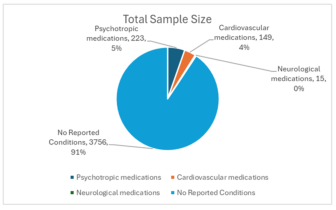
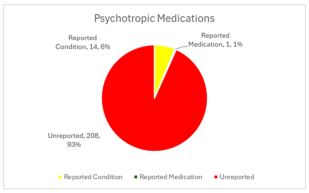
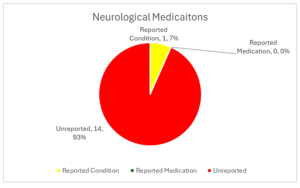
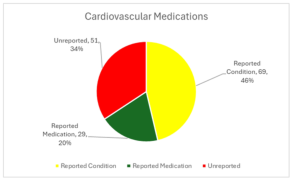
Active Pilots and Their Health Management It is well documented that pilots are hesitant to self-report medical issues that could result in possible suspension or termination of their ability to fly. Among airline transport pilots, 39% have admitted to withholding information from a physician (Hoffman et al., 2019). With 56% of pilots choosing to avoid receiving healthcare in fear of compromising their medical certification (Hoffman et al., 2022). This trend is higher among military pilots with 72% avoiding healthcare and almost a third flying with a symptom that may have needed attention from a healthcare professional (Hoffman et al., 2023). This trend is not new as Canfield et al. (2006) shows that “…accuracy of required reporting of medication usage by pilots was low, with 91% of pilots either failing to report medications they were taking or reporting a different medication than what was found during toxicological analysis.” Canfield et al. (2006) also broke down the different classifications of medication that was analyzed. There is a notable distinction within the different classifications of medication. “Pilots taking psychotropic or neurological medications rarely reported the medication or medical condition on their FAA medical application. Compared with cardiovascular disease, proportionately fewer Authorizations for Special Issuance (e.g., waivers) were granted by OAM for these two conditions; hence, one could speculate
164 Flores and Pagan
that pilots chose to not disclose such conditions in order to continue flying” (Canfield et al., 2006). See Figures 1, 2, 3, and 4.
As pointed out, the difference in reported conditions between the cardiovascular group and two other groups could be attributed to a higher number of special issuances issued. A Special Issuance medical can easily cost a few thousand dollars (EAA). Special Issuances do not pose an increasing risk compared to other medical issuances (Mills & Davis, 2018).
Implications and Impact of Adopting Recommendations 165
Figure 4: Reported cardiovascular medications.
The linking of EHR to airman medicals could reduce the overall time and cost associated with obtaining a Special Issuance medical certificate. Gallagher et al. (2020) has shown continuous monitoring of EHR can used in predicting unplanned readmissions in hospitals.
Watson et al. (2024) outline similar monitoring using the existing architecture as initial application. A more cost-effective and faster process could negate pilot’s unwillingness to report medical conditions.
Potential Challenges and Limitations Technical challenges EHR are pointed out in DOT/FAA/AM-24/20. These range from both where the data is stored and sourced, the difference in format, and its volume.
Limitations of EHR can stem from not only the technical challenge of implementation but also could fall victim to a lack of good reliable data for medical decisions to be made off of. With 39% of pilots withholding information from physicians (Hoffman et al., 2019), and anywhere from 56% (Hoffman et al., 2022) to 72% (Hoffman et al., 2023) of pilots avoiding healthcare, many of the benefits of EHR such as automatic certification could be compromised. Add to this that nearly 20% of patients have found errors in their health records (Bell et al., 2020), could lead to otherwise qualified and medically cleared pilots being removed of their medical certificates. There could also be an increase in resistance to linking EHRs to medical applications leading to an increase in not seeking healthcare as it risks flying status.
In addition to the technical challenges, there are also security limitations. With the increase in adoption of EHR, there has been an increase in the use of off-the-shelf technology that contains some of the same security vulnerabilities as ordinary desktops/laptops (Basil et al., 2022). Already medical and healthcare information is considered some of the most confidential information (Fernández-Alemán et al., 2013). With automatic monitoring and compliance, unauthorized interference of EHR data could impact pilot’s ability to legally carry out their duties, even if there is no adverse health risk. Current security aspects that are being analysed focus on compliance with regulations and the development and maintenance of the systems required to store and manage the data (Fernández-Alemán et al., 2013).
166 Flores and Pagan
Industry-Wide Impacts The implementation of Electronic Health Records would have a large impact on the aviation industry as a whole. Aeromedical certification is a key pillar of aviation transportation network. While there is the aspect of automatic certification and a reduction in wait times due to a lack of the FAA needing to scan documents (Federal Aviation Administration, 2023), the requirement of EHR could negatively impact the current pilot workforce. As stated earlier, there is a large amount of pilots who do not report existing conditions or medications on Form 8500–8 due to fear of being medically disqualified. With the number of unreported medical conditions of pilots who were involved in fatal accidents (Canfield et al., 2006), there could be at least 10% of pilots who could be without a medical for the current average of 138 days (Federal Aviation Administration, 2023). Automatic certification has the possibility to reduce this wait although that framework and appeals process is not included within DOT/FAA/AM-24/20.With current 2024 statistics (Federal Aviation Administration, 2024), this could indicate that nearly 18,000 Airline Transport Pilots would be impacted by this change. The number of pilots impacted could also increase with respect to additional pilots who do not report or avoid healthcare (Goodman et al., 2024).
Significance of the Review The integration of Electronic Health Records (EHR) into the pilot aeromedical certification process represents, beyond any possible challenges, a pivotal advancement in aviation healthcare management. This review is significant as it addresses critical gaps in understanding the broader implications of EHR implementation beyond technical feasibility and regulatory compliance. By examining the systemic impact of EHR adoption, this study provides a comprehensive outlined evaluation of its effects on aviation safety, workforce dynamics, and healthcare efficiency.
A primary contribution of this review lies in its exploration of how EHR systems can enhance data accessibility, streamline aeromedical evaluations, and improve the accuracy of medical assessments, ultimately contributing to a safer aviation environment. What’s more, by investigating stakeholder concerns, ranging from pilots’ apprehensions about career implications to medical examiners’ evolving responsibilities, the review provides valuable insights into the challenges associated with industry-wide adoption.
Moreover, this study points out to the ethical and legal considerations associated with EHR implementation, particularly regarding privacy, data security, and compliance with regulations such as HIPAA. The potential workforce transformation, including the increased demand for IT professionals specialized in EHR management, is also analyzed.
By presenting an in-depth assessment of these multifaceted issues, this review serves as a foundational reference for policymakers, aviation authorities, and medical professionals seeking to optimize EHR adoption while mitigating associated risks. It also identifies key areas for future research, ensuring a strategic and informed approach to digital transformation in aeromedical certification.
Implications and Impact of Adopting Recommendations 167
CONCLUSION
The integration of Electronic Health Records (EHR) into the pilot aeromedical certification process presents both transformative opportunities and significant challenges. By linking EHR with FAA medical certification, the aviation industry can streamline the medical evaluation process, reduce administrative delays, and enhance medical decision-making accuracy. This could alleviate long-standing issues such as extended certification wait times and financial burdens associated with obtaining Special Issuance medicals. However, this transition is not without limitations. Technical challenges, including data standardization, interoperability, and security vulnerabilities, which must be addressed to ensure a reliable and secure system is established as it is being adopted. What’s more, the reluctance of pilots to disclose medical conditions due to career concerns highlights a fundamental issue that could compromise the effectiveness of EHR-based certification. The potential for errors in health records, combined with privacy concerns, could lead to unintended consequences such as increased pilot hesitancy in seeking medical care.
Despite these challenges, a well-implemented EHR system can enhance aviation safety, optimize regulatory processes, and support proactive health monitoring. Further research is necessary to continue to refine implementation strategies, develop clear policies on appeals and automatic certification, and to ensure that security and privacy measures align with both regulatory and ethical standards.
ACKNOWLEDGMENT
The authors thank the Purdue University Libraries for allowing us the access to conduct research on associated topics for this scope review. Also, to the faculty members at Purdue University Polytechnic Institute, School of Aviation and Transportation Technology, for their invaluable support in publishing this work.
REFERENCES
Basil, N. N., Ambe, S., Ekhator, C., & Fonkem, E. (2022). Health Records Database and Inherent Security Concerns: A Review of the Literature. Cureus, 14(10), e30168. https://doi.org/10.7759/cureus.30168 Bell SK, Delbanco T, Elmore JG, et al. Frequency and Types of Patient-Reported
Errors in Electronic Health Record Ambulatory Care Notes. JAMA Netw Open. 2020;3(6): e205867. doi: 10.1001/jamanetworkopen.2020.5867. Canfield, D. V., et al., “Pilot medical history and medications found in postmortem specimens from aviation accidents,” Aviation, Space, and Environmental Medicine, November 2006, Vol. 77, No. 11, pp. 1171–73. Delaparra. (2025, January 10). Changes to the FAA medical deferral . The Ison
Law Firm Aviation Lawyers. https://thepilotlawyer.com/blog/changes-to-the-faa- medical-deferral/
168 Flores and Pagan
Federal Aviation Administration. (2023). FAA Conducts Comprehensive Evaluations of Pilots With Mental Health Challenges, but Opportunities Exist to Further Mitigate Safety Risks https://www.oig.dot.gov/sites/default/files/FAA%20Pilot %20Mental%20Health%20Final%20Report_07.12.2023.pdf. Federal Aviation Administration. (2024). U. S. Civil Airmen Statistics https://www.
faa.gov/data_research/aviation_data_statistics/civil_airmen_statistics. Federal Aviation Administration. (2025). Guide for Aviation Medical Examiners https://www.faa.gov/ame_guide. FAA MedXPress. (n.d.-a). https://medxpress.faa.gov/MedXpress/Disclaimer.aspx Fernández-Alemán, J. L., Señor, I. C., Lozoya, P. Á., & Toval, A. (2013). Security
and privacy in Electronic Health Records: A systematic literature review. Journal of Biomedical Informatics, 46(3), 541–562. https://doi.org/10.1016/j.jbi.2012.12. 003 Forde-Johnston, C., Butcher, D., & Aveyard, H. (2023). An integrative review exploring the impact of Electronic Health Records (EHR) on the quality of nurse- patient interactions and communication. Journal of advanced nursing, 79(1), 48–67. https://doi.org/10.1111/jan.15484 Gallagher, D., Zhao, C., Brucker, A., Massengill, J., Kramer, P., Poon, E. G.,
& Goldstein, B. A. (2020). Implementation and Continuous Monitoring of an Electronic Health Record Embedded Readmissions Clinical Decision Support Tool. Journal of Personalized Medicine, 10(3), 103. https://doi.org/10.3390/jp m10030103 Guide for Aviation Medical Examiners. Guide for Aviation Medical Examiners | Federal Aviation Administration. (n.d.). https://www.faa.gov/ame_guide/ app_process/general/classes Hoffman W, Chervu N, Geng X, Üren A. Pilots’ healthcare seeking anxiety when
experiencing chest pain. J Occup Environ Med. 2019;61(9): e401–5. doi: 10.1097/ JOM.0000000000001662. Hoffman WR, Aden J, Barbera RD, et al. Healthcare avoidance in aircraft pilots due to concern for aeromedical certificate loss: A survey of 3765 pilots. J Occup Environ Med. 2022;64(4): e245–8. doi: 10.1097/JOM.0000000000002519 Matthews MJ, Stretanski MF. Pilot Medical Certification. [Updated 2023 Feb 6].
In: StatPearls [Internet]. Treasure Island (FL): StatPearls Publishing; 2025 Jan. Available from: https://www.ncbi.nlm.nih.gov/sites/books/NBK567745/. Mills WD, Davis JT. The U. S. Experience with Special Issuance Waivers. Aerosp Med Hum Perform. 2018 Oct 1;89(10): 905–911. doi: 10.3357/AMHP.5143.2018. PMID: 30219118. News. Aeromedical Reform FAQs. (n.d.). https://www.eaa.org/eaa/news-and- publications/eaa-news-and-aviation-news/12-09-2015-pbor-faq Provenzano, M., Cillara, N., Curcio, F., Pisu, M. O., González, C. I. A., &
Jiménez-Herrera, M. F. (2024). Electronic Health Record Adoption and Its Effects on Healthcare Staff: A Qualitative Study of Well-Being and Workplace Stress. International journal of environmental research and public health, 21(11), 1430. https://doi.org/10.3390/ijerph21111430 Special issuance certification. AOPA. (2016, March 15). https://www.aopa.org/gofly/medical-resources/special-issuance-certification Tanya M Goodman, Rachael N Martinez, Nicole L Giarrusso, Christopher
Thompson, William R Hoffman, Factors That Influence Health Care–Seeking Behavior and Health Information Disclosure Among U. S. Air Force Pilots, Military Medicine, Volume 189, Issue 11-12, November/December 2024, Pages e2665–e2672. https://doi.org/10.1093/milmed/usae310
Implications and Impact of Adopting Recommendations 169
The Federal Register. Federal Register :: Request Access. (n.d.-a). https:// www.ecfr.gov/current/title-14/chapter-I/subchapter-D/part-61/subpart-A/ section-61.23 The Federal Register. Federal Register :: Request Access. (n.d.-a). https:// www.ecfr.gov/current/title-14/chapter-I/subchapter-D/part-67 The Federal Register. Federal Register :: Request Access. (n.d.-a). https:// www.ecfr.gov/current/title-14/chapter-I/subchapter-D/part-61/subpart-A/ section-61.23 Watson, A., Collins, L. A., Danan, R., Walsh, E., & Sarkhel, K. K. (2024, July 1).
Use of EHR to support pilot Aeromedical Certification. Home Page. https://doi. org/10.21949/1529642 William R Hoffman, James K Aden, Daniel Barbera, Anthony Tvaryanas, Self- Reported Health Care Avoidance Behavior in U. S. Military Pilots Related to Fear for Loss of Flying Status, Military Medicine, Volume 188, Issue 3–4, March-April 2023, Pages e446–e450, https://doi.org/10.1093/milmed/usac311. Xiang AH, Martinez MP, Chow T, et al. Depression and Anxiety Among US Children
and Young Adults. JAMA Netw Open. 2024;7(10): e2436906. doi: 10.1001/ jamanetworkopen.2024.36906.
LISTED IN THE AHFE DIGITAL BOOKSTORE CATALOGUE
Explore the complete digital volume
Training, Education, and Learning Sciences
Read this individual research paper free through the original publisher, or explore the full digital proceedings book.
ISBN 978-1-964867-69-4
Explore this ISBN in the AHFE Bookstore ↗Listed in the July 2026 bookstore catalogue; search by ISBN to confirm current availability · Digital book purchase optional