Tom Kolkman, Sarah Kusumastuti, Simone Borsci, Julia Lo (2026). Operational Transitions to Automation: A Scoping review with implications for future rail service. In: Advances in Human Factors of Transportation. AHFE Open Access, vol. 224, pp. 438–450. https://doi.org/10.54941/ahfe1007872
The increasing integration of digitalization and automation in transport domains requires an understanding of barriers and facilitators affecting operational transitions. This systematic literature review, following PRISMA guidelines, identifies factors influencing automation-related operational changes in multiple transport domains attempting to utilize the insights to serve the scope of the rail sector. Three databases (Scopus, Web of Science, IEEE) were searched for publications from 2000–2025, yielding 14 eligible articles after screening. Extracted data on facilitators, barriers, and lessons learned were thematically clustered into three categories: i) Organizational and human factors aspects, ii) process and risk mitigation strategies, and iii) infrastructure and system integration. Results indicate that organizational and human factors aspects dominate both barriers and facilitators. The most frequently reported barrier was system complexity and uncertainty (50%), followed by poor system adoption (29%) and stakeholder misalignment (21%). Stakeholder involvement emerged as the primary facilitator (43%), alongside utilization of centralized support tools (36%). Key lessons learned include the importance of operator-stakeholder alignment, active middle management engagement, and maintaining trust in automation (each 21%). Infrastructure-related factors were minimally reported, suggesting practitioners may treat technical integration as a design prerequisite rather than an operational concern. These findings highlight that successful operational transitions in public transport depend primarily on addressing human and organizational dimensions rather than technological capabilities alone. We adopted a multidomain perspective assuming transferability across transport domains to serve future railway research. Future research should incorporate grey literature and longitudinal studies to strengthen guidance for rail operators.
The world is experiencing a major technological shift thanks to the embedding of advanced digital systems and automation everyday systems. This is evident, for instance, looking at the usage of integrated
Operational Transitions to Automation 439 conversational agents to co-decide, control and supervise household tasks or in the increased effort in the redesign of infrastructures to accommodate and optimize the integration of AI supported automation in strategic sectors (Borsci et al., 2023; Brandao, 2025) such as, healthcare, industry and transport. This pervasive shift is promising to make services more efficient and effective, enabling new forms of predictive aiding, better decision making, and maximising the quality of the service. Nevertheless, all this value added comes with significant infrastructural costs and with changes from the human factors point of view (Kusumastuti et al., 2025). Specifically, operators are tasked with new ways of working and achieving their goals from the operational point of view.
Operational changes are considered complex, multilevel transitions that significantly modify the elements enabling a service to function – i.e., technical and technological components, procedures, tasks, allocation of duties and the physical and cognitive demands of operators etc. – requiring adaptation throughout the organization and at individual and team level (Austrian et al., 2015). One of the sectors in which there is an increasing demand for improved capacity and performance and with a growing process of operational changes is the one of public transport, specifically rail. This is exemplified by an expected increase of 40% in rail transport demand. This increase in demand stresses the importance of significantly cutting journey time, increasing network capacity and improving the overall experience of passenger across the entire EU network with the consequent increases of service demanding more trains and better punctuality (Rankin, 2025). These ambitious targets require operational transitions toward Automatic Train Operation (ATO) to improve traditional railway systems and services. This involves using algorithms that enable trains to use automatic and semi-automatic network capabilities to handle increasing demands for safety, reliability, and capacity.
The European Rail Traffic Management System (ERTMS) is a key technological component that enables trains to operate with minimal human intervention through advanced control systems. ERTMS is a first step in the digitalization of the infrastructure. ATO and ERTMS together are a strong mix that can automate acceleration and braking and improve automated route setting by providing traffic controllers with real-time train data, thus reducing operational costs and enhancing punctuality and energy efficiency. Due to the complexity of implementing ATO at the national and international levels, these operational transitions require a multifaceted approach involving human, organizational, and technological factors. Previous studies have highlighted potential issues with operational transitions of this magnitude. Specifically, these issues relate to stakeholder misalignments, resistance to change, and poor system adoption due to steep learning curves (Austrian et al., 2015; Molin & Norrman Brandt, 2023; Young et al., 2022). This study uses a systematic (PRISMA) literature review approach, inspired by the medical domain guidelines for review to map potential barriers and mitigation strategies that would enable smooth operational transitions
(Rankin, 2025). Specifically, this paper will report preliminary findings about the most commonly reported barriers and facilitators and propose initial lessons learned from multiple domains to guide future operational transitions in the rail sector. As rail services have only recently begun to address operational changes due to digitalization and automation, it may be necessary to draw on other transport domains where automation transitions are more mature—particularly aviation, which has decades of experience with automation implementation. This work will treat barriers, facilitators and lessons learned as transferable unless clear domain- specific elements prevent transferability. The present analysis will attempt to answer the following question: What are the most commonly reported facilitators or barriers, and which are transferable lessons learned for operationalizing technological change in the rail domain specifically?
METHODS
Search Strategy Three databases were accessed for this systematic literature review: Scopus, Web of Science, and IEEE. The search focused on operational changes or similar terms, automation, and digitalization in multiple transport domains with a particular focus on rail service. The following code was used for the search: “change management” OR “operational transition” OR “operational readiness” OR “operational change*”AND automat* OR “ATO” OR digit* AND rail* OR aviation OR maritime OR transport.
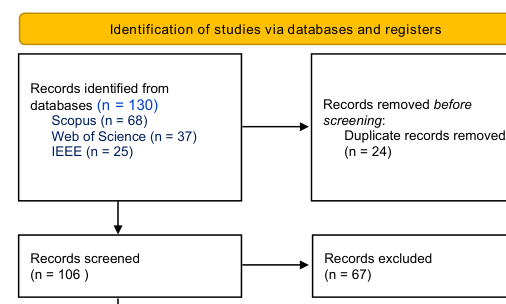
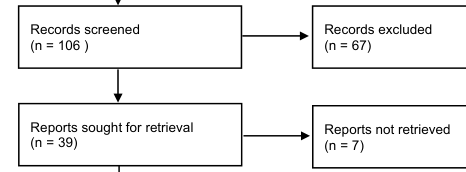
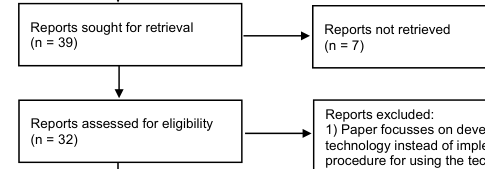
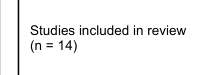
Eligibility Criteria We selected items published from 2000 to 2025 that were published as journal or conference articles or book chapters and that presented empirical or theoretical insights regarding operational transitions in the transportation domain. We focused on items in which the authors discussed automation or digitization of technological components in transportation services. Items were excluded from the review if they focused on the development of technology instead of the implementation of procedures for using the technology and its organizational consequences. Additionally, we excluded articles that did not focus on the automation of transportation, e.g., logistics, or that discussed innovations unrelated to technological components. As summarized in Figure 1, the initial extraction of 130 items included 24 duplicate items. After the title and abstract screening 67 items were excluded. In total, 28 items were excluded based on criterion 1, 32 items were excluded based on criterion 2, and 7 items were excluded based on criterion 3 (Figure 1).Out of the 39 articles selected for full reading, 7 were not retrievable e.g. unavailable for access by the University of Twente. Out of the 32 articles screened, 18 were excluded (see Fig. 1). Finally, 14 items were considered eligible for data extraction with the agreement of all the authors.
Equation reproduced from the original PDF.Equation reproduced from the original PDF.Equation reproduced from the original PDF.
Reports excluded: 1) Paper focusses on development of technology instead of implementation of procedure for using the technology and consequences from the organizational point of view (n = 8) 2) Articles that are not about automation of transport e.g., logistics (n = 8) 3) Innovations are not technological (n = 2)
Equation reproduced from the original PDF.
Identification Screening Included
Figure 1: PRISMA flowchart.
Figure available in the original PDF paper.
Screening Process and Quality Assessment All of the authors agreed upon the search strategy. One of the authors (TK) extracted the data and removed the duplicates. The Covidence tool was used to support the process. TK and SK performed the abstract and full- text screening. SB and JL served as reviewers of the screening process and intervened in cases of conflict.
Data Extraction The final list of items was reviewed searching in the text information regarding cases of technological transition in transport domains, with a particular focus but not limited to the rail service. Specifically, the following three main aspects were investigated:
- Facilitators and Barriers – intended as all the reported attitudes, actions, procedures, events etc. that the researchers identified having a positive (facilitator) or negative (barriers) impact on the transition process. - Lessons learned – defined as all those actions or aspects that must be performed or considered before and during the implementation of a transition to successfully change the operation. Such actions are meant to maximize the effects of facilitators and minimize the negative effects of the barriers.
Data Synthesis The information reported about facilitators, barriers and lesson learned were grouped under common labels e.g., every time an in an item it was highlighted the importance of participatory design, or of involvement of the stakeholders to facilitate the transition etc. the item was grouped under the label “Facilitator - Stakeholder involvement”. These labels were assigned in discussion with all the authors. These labels were used to establish the frequency of appearance of each identified facilitator, barrier and lesson learned in the 14 selected items. Finally, facilitators, barriers and lessons learned were clustered in the following aspects: Cluster 1 - “Organizational management and human factors aspects” which emphasizes people-centric aspects crucial for ATO adoption in railways e.g. stakeholder involvement or perceived usefulness of the innovation; Cluster 2 - “Process and risk mitigation strategies” which focuses on methodologies to navigate ATO’s implementation process and support its safe deployment; Cluster 3 - Infrastructure and System integration which refers to e.g. system requirements, interoperability and system standardization. Although we acknowledge substantial differences among the domains discussed in the selected items, for the scope of this article, we consider all barriers, facilitators and lessons learned as transportable across domains to aid in facilitating operational changes.
RESULTS
The selected items were reported in Table 1. A collective total of 6 journal articles, 7 conference articles and 1 NASA research paper were extracted. Most of the items (5) pertains to rail operational changes in rail, one is about multiple domains, and 4 are about maritime and the last 4 are from aviation.
Table 1: Items included in the final review, type of publication i.e., Journal article - JA, Conference article (CA) or NASA research paper (NRP); type of contribution: Mainly empirical (E), Mainly theoretical (T) and the domain discussed in the article: Maritime (M); Aviation (A), Rail (R).
Table available in the original PDF paper.
ID REF Type of Publication Type of Contribution Domain
JA CA NRP E T
X X M
1 Aditya, I.E.; Wisdarianto, A.; Raharjo, T. (2022)
X X A
2 Austrian, E.; Berry, K.; Sawyer, M. (2015)
X X M
3 Elgafoss, S.; Skramstad, T.; Dalberg, V. (2009)
X R
4 Gharehbaghi, K.; Farnes, K. (2018)
X X M-A-R
5 Golub, I; Radojevic, B. (2016)
X X M
6 Janmethakulwat, A.; Thanasopon, B. (2022)
(Continued)
Table 1: Continued.
Table available in the original PDF paper.
ID REF Type of Publication Type of Contribution Domain
JA CA NRP E T
X X R
7 Molin, F.; Norrman Brandt, E. (2023)
X X R
8 Molin, F.; Norrman Brandt, E. (2025)
X X R
9 Morin, X.; Olsson, N.O.E.; Lau, A. (2024)
X X A
10 Patriarca, R.; Di Gravio, G.; Mancini, M.; Costantino, F. (2016)
X X R
11 Rodriguez Hernández, M., Sánchez-Herguedas, A., González-Prida, V., Contreras, S. S., & Crespo Márquez, A. (2024)
X X M
12 Utomo, D.; S. E. Hiererra; A. Kharizsa; N. Sari; C. Lavinia; M. I. Wijaya (2024)
X X A
13 Watkins, C.B.; Burns, T. (2015)
X X A
14 Young, S.D.; Ancel, E.; Dill, E.; Moore, A.; Quach, C.; Smalling, K.; Ellis, K. (2022) From the items we extracted the reported barriers, facilitators and lessons learned and provided the frequency by which these aspects are reported in the selected items (Table 2). Among the 17 facilitators we identified, aspects like Stakeholder involvement (Aditya et al., 2022; 2, Gharehbaghi & Farnes, 2018; Molin & Norrman Brandt, 2025; Patriarca et al., 2016; Watkins & Burns, 2015) and Utilization of existing support units (i.e., centralized tools) are the most reported ones (respectively 43% and 36%) (Austrian et al., 2015; Elgafoss et al., 2009; Molin & Norrman Brandt, 2023; Patriarca et al., 2016; Young et al., 2022), followed by Project-based activities (including clear responsibility assignment) and Utilization of (shared) mental models/distributed cognition (both reported in 21% of the cases (Elgafoss et al., 2009; 14, Patriarca et al., 2016). Aspects such as Leadership/management involvement, Interoperability and Standardization of systems, External motivation/incentive, and Clear documentation were each reported in 14% of the cases (Aditya et al., 2022; Elgafoss et al., 2009 Gharehbaghi & Farnes, 2018; Hernández et al., 2024; Janmethakulwat & Thanasopon, 2022; Molin & Norrman Brandt, 2023; Patriarca et al., 2016; Watkins & Burns, 2015). All other facilitators were mentioned only once (7%) in the selected publications (Elgafoss et al., 2009; Golub & Radojevic, 2016; Janmethakulwat &
Thanasopon, 2022; Molin & Norrman Brandt, 2023; Molin & Norrman Brandt, 2025; Morin et al., 2024; Page et al., 2021). When it comes to the 17 barriers, the most frequently reported was highly complex and uncertain or degraded systems, appearing in nearly half of the selected items (42%) (Austrian et al., 2015; Elgafoss et al., 2009; Gharehbaghi & Farnes, 2018; Patriarca et al., 2016; Young et al., 2022; Page et al., 2021). This was followed by poor system adoption (29%) (Elgafoss et al., 2009; Patriarca et al., 2016; Watkins & Burns, 2015; Young et al., 2022) and a cluster of barriers, each reported in 21% of the cases: Silo thinking and departmental fragmentation, lack of coordination in implementation and development, lack of training, and stakeholder misalignment (Aditya et al., 2022; Elgafoss et al., 2009; Golub & Radojevic, 2016; Janmethakulwat & Thanasopon, 2022; Molin & Norrman Brandt, 2023; Molin & Norrman Brandt, 2025; Morin et al., 2024; Watkins & Burns, 2015). Additional barriers reported in 14% of cases included Lack of expertise, lack of organizational readiness, mismatch with currently used mental models, and resistance to change (Aditya et al., 2022;, Austrian et al., 2015; Elgafoss et al., 2009; Janmethakulwat & Thanasopon, 2022; Molin & Norrman Brandt, 2023; Morin et al., 2024; Young et al., 2022). Less frequently mentioned barriers (7% each) encompassed lack of legacy/new system coherence, misevaluation of safety and stability, lack of perceived urgency, lack of management support, high implementation costs, skill degradation due to automation, and insufficient resources (Elgafoss et al., 2009; Golub & Radojevic, 2016; Hernández et al., 2024; Janmethakulwat & Thanasopon, 2022; Molin & Norrman Brandt, 2023). Finally, among the 18 lessons learned, operator/stakeholder alignment and active (middle) management as beneficial emerged as the most frequently cited, each appearing in 21% of the selected items (Austrian et al., 2015; Elgafoss et al., 2009; Hernández et al., 2024; Janmethakulwat & Thanasopon, 2022; Molin & Norrman Brandt, 2023; Watkins & Burns, 2015; Young et al., 2022; Page et al., 2021). Maintaining trust in automation was reported with similar frequency (21%), followed by provide adequate training and strict safety conformance and procedures (both at 14%) (Austrian et al., 2015; Elgafoss et al., 2009; Gharehbaghi & Farnes, 2018; Hernández et al., 2024; Patriarca et al., 2016). The remaining lessons learned were each mentioned in 7% of the cases and covered a diverse range of recommendations: account for post-implementation adaptations, create understanding for the reason of the transition, incentive use facilitates transitions, maintain system consistency, organizational readiness, mapping distributed cognition and responsibilities within teams, phase transitions, early identification of transition opportunities, prioritize human-centred design, apply existing validated frameworks, change management inclusion, structured prioritization of changes, and shared outcomes between stakeholders are critical (Austrian et al., 2015; Hernández et al., 2024; Janmethakulwat & Thanasopon, 2022; Molin & Norrman Brandt, 2023; Morin et al., 2024; Patriarca et al., 2016; Watkins & Burns, 2015; Young et al., 2022; Page et al., 2021).
Table 2: Extracted Facilitators, Barriers and Lessons learned by order of frequency of appearance in the selected items (F%), associated cluster number [CN]: Cluster 1 - “Organizational management and human factors aspects”; Cluster 2 - “Process and risk mitigation strategies”; Cluster 3 -“Infrastructure and System integration” and Domain (D): Rail (R), Aviation (A) and Maritime (M).
Previous successful digital initiatives (lessons learned to draw upon)
Mapping distributed cognition and responsibilities within teams
Iterative processes 7 [2] A: 1
7 [2] R: 1
Phase transitions
7 [2] A: 1
Misevaluation of safety and stability Data driven 7 [2] A: 1 7 [1] R: 1
7 [2] A: 1
Lack of perceived urgency
Early identification of transition opportunities
Perceived usefulness 7 [1] M: 1
7 [1] M: 1
7 [2] R: 1
Lack of management support
Account for post- implementation adaptations
7 [1] M: 1
7 [2] M: 1
7 [2] A: 1
Structured communication and learning systems
High implementation costs
Apply existing, validated frameworks
Human-Centred design
7 [2] M: 1
7 [1] M: 1
7 [1] M: 1
Skill degradation due to automation
Change management inclusion
7 [1] M/A/R: 1
Insufficient resources
7 [2] M/A/R: 1
7 [2] M: 1
Strong communication between stakeholders
Structured prioritization of changes 7 [1 M: 1] Shared outcomes between stakeholders are critical
Clusters of Barriers, Facilitators and Lessons Learned As suggested in Table 2, the largest part of barriers and lessons learned regarding operational changes are coming from the organizational management and human factors aspects (Cluster 1). Under this cluster, we identified twelve barriers – e.g., poor system adoption, silo thinking/ departmental fragmentation, lack of coordination in implementation and development, lack of training, stakeholder misalignment, lack of expertise, lack of organizational readiness, mismatch with currently used mental models, resistance to change, lack of perceived urgency, lack of management support, and skill degradation due to automation; and twelve lessons learned – e.g., operator/stakeholder alignment, active middle management is beneficial, maintain trust in automation, provide adequate training, create understanding for the reason of the transition, incentive use facilitates transitions, organizational readiness, mapping distributed cognition and responsibilities within teams, prioritize human-centred design,
Operational Transitions to Automation 447 change management inclusion, and shared outcomes between stakeholders are critical. Only 7 facilitators were identified in the analysis as part of this cluster – e.g., stakeholder involvement, utilization of shared mental models and distributed cognition, leadership/management involvement, external motivation, perceived usefulness, structured communication and learning systems, and strong communication between stakeholders. Only a few barriers – i.e., four in total: highly complex/uncertain or degraded systems, misevaluation of safety and stability, high implementation costs, and insufficient resources – could be clustered, with agreement among the authors, under process and methods to avoid risks (Cluster 2). Conversely, such cluster seems to contain a large part of the facilitators i.e., eight in total, including: utilization of existing support units/centralized tools, project- based activities with clear responsibility assignment, clear documentation, theoretical process development, appropriate risk management, previous successful digital initiatives, iterative processes, data-driven approaches, and human-centred design. Finally, six lessons learned can be clustered as associated to methods and processes e.g., strict safety conformance and procedures, account for post-implementation adaptations, phase transitions, early identification of transition opportunities, apply existing validated frameworks, and structured prioritization of changes. Finally, looking from the perspective of the infrastructure and system integration the main barrier seems to be lack of legacy and or lack of new system coherence, the main facilitator seems to be interoperability and standardization of systems, and overall, the main lesson learned is the importance on maintain system consistency to support transition.
DISCUSSION
This scoping review identified a set of factors influencing operational transitions in relation to automation and digitalization in transportation. Since most of the articles are about the rail sector, the results could be used as a starting point to develop operational transition guidelines for that sector. However, we did not identify reasons to consider certain aspects as relevant only to one domain or another. From a transition perspective, since operational changes due to digitization and automation occur in a trans- domain modality and are independent of technology, we did not identify any barriers, facilitators, or lessons learned in one domain that could not be considered in another.
Our data suggests that when attempting to perform an operational change and promoting a transition to a new technology the most relevant risks are not coming from the quality of the technology itself but from the organizational and human factors aspects around the implementation and the deployment of such innovation. Aspects like silo thinking, stakeholder misalignment, and lack of coordination in implementation and development are key barriers that could amplify aspects connected to lack of organizational readiness, potential stakeholder misalignment, lack of expertise of the users, mismatch with currently used mental models, and resistance to change. These findings align with broader change management literature indicating that organizational context can mitigate or exacerbate individual attitudes
towards innovation (e.g., resistance to change) and unready organizations often constitute the most significant obstacles to innovation implementation and change (Austrian et al., 2015; Molin & Norrman Brandt, 2023). Organizational and human factors aspects are the primary source of challenges during operational transitions. Nevertheless, only a few strategies were reported to facilitate transitions and lessons learned. In line with the growing tendency to adopt systems thinking and participatory approaches (Kusumastuti et al., 2025), it is encouraging to observe that stakeholder involvement (43%) and the importance of involving leadership and management (14%) emerged as the most frequently reported facilitators for organizational challenges. These facilitators also support the use of iterative processes and Human-Centred design as found in literature (Lengkon et al., 2024) However, all the other organizational and human factors facilitators were reported in fewer than two articles, indicating a lack of commonly recognized strategies for facilitating transition. In terms of lessons learned, it is widely recognized that seeking some form of alignment with operators and stakeholders before or during a transition is important. Moreover, it appears beneficial to have active middle management to drive the process and perform actions that provide adequate training and support the development of trust in automation or the innovation under deployment. When examining processes and methodologies that support operational transitions, the primary challenge is addressing complexity and uncertainty, as reported in 50% of cases. Therefore, the most commonly reported facilitators focus on inviting stakeholders to utilize known resources to address the changes induced by the innovation, such as utilizing existing support units (e.g., centralized tools) and providing clear documentation, or introducing innovation in controlled modalities, e.g., project-based activities (including clear responsibility assignment). In line with this, the most commonly reported aspect is maximizing safety, conformance, and procedures, which ultimately means aligning with standards or strict usage processes to minimize uncertainties. For instance, this could mean monitoring the correct usage process in real time during the initial rollout phase of a new technology.
Finally, literature about operational change reports very little in terms of barriers related to infrastructure and system integration. Specifically, at least two items suggest a barrier regarding aspects associated with interoperability and standardisation of systems, with only one facilitator and one lesson learned reported by one study each. This scarcity may reflect operational change experts’ tendency to view technical integration as a technological design issue rather than a real issue of infrastructure and system integration. The few elements identified emphasize interoperability, system coherence and consistency, highlighting the importance of technical compatibility in supporting smooth operational transitions. This preliminary review suggests that, in the rail sector, operational transitions seem to be mainly affected by organizational aspects, while procedural aspects are considered relevant, albeit of secondary importance, in terms of enabling or preventing the implementation of changes. Experts seem to consider infrastructural aspects as a requirement that should be established in terms of design, and therefore, from an operational transition point of view, they are less relevant in terms of anything other than interoperability.
CONCLUSION
This scoping review examined factors influencing automation-related operational transitions across transport domains. Analysis of 14 publications revealed that organizational and human factors – rather than technical capabilities – constitute the primary determinants of transition success. Stakeholder involvement emerged as the most frequently reported facilitator, while system complexity and poor adoption represented the dominant barriers. Infrastructure considerations were rarely discussed, suggesting practitioners may treat technical integration as a design-phase concern rather than an operational challenge.
These findings carry direct implications for rail operators implementing ATO and ERTMS systems. Transition planning should prioritize stakeholder alignment, active middle management engagement, and structured training programs over purely technical readiness assessments. However, the limited evidence base (14 articles) and the assumption of cross-domain transferability warrant caution in applying these findings.
Future research should expand the corpus through grey literature inclusion and operator interviews, while longitudinal studies tracking real-world implementations would validate which facilitators prove most effective in practice.
ACKNOWLEDGMENT
The activity hereby described is part of the FP2 R2DATO project, which is funded by the European Commission through the Europe’s Rail Joint Undertaking under the Horizon Europe Programme with the grant agreement no 101102001. Views and opinions expressed are however those of the author(s) only and do not necessarily reflect those of the European Union or Europe’s Rail. Neither the European Union nor the granting authority can be held responsible for them.
REFERENCES
Aditya, I. E., Wisdarianto, A., & Raharjo, T. (2022). Analysis of critical success factors in Information Technology Projects: A national shipping company case study. 2022 Seventh International Conference on Informatics and Computing (ICIC), 1–7. https://doi.org/10.1109/icic56845.2022.10006933 Austrian, E., Berry, K., & Sawyer, M. (2015). A cross-cutting Human Factors Impact
Assessment of planned NextGen changes. Procedia Manufacturing, 3, 2953–2959. https://doi.org/10.1016/j.promfg.2015.07.832 Borsci, S., Lehtola, V.V., Nex, F. et al. (2023) Embedding artificial intelligence in society: Looking beyond the EU AI master plan using the culture cycle. AI & Soc 38, 1465–1484. https://doi.org/10.1007/s00146-021-01383-x Brandao, P. R. (2025). The Impact of Artificial Intelligence on Modern Society. AI,
6(8), 190. https://doi.org/10.3390/ai6080190 Elgafoss, S., Skramstad, T., & Dalberg, V. (2009). Maritime Automation, and emergency handling - software: Design, System Integration and Quality. 2009 IEEE Electric Ship Technologies Symposium, 86–92. https://doi.org/10.1109/ ests.2009.4906498
Gharehbaghi, K., & Farnes, K. (2018). Process automation in intelligent transportation system (ITS). International Journal of Machine Learning and Computing, 8(3), 294–297. https://doi.org/10.18178/ijmlc.2018.8.3.702 Golub, I., & Radojevic, B. (2016). Challenges of a service transition in multi
domain environment. 2016 39th International Convention on Information and Communication Technology, Electronics and Microelectronics (MIPRO), 677–681. https://doi.org/10.1109/mipro.2016.7522226 Hernández, M. R., Sánchez-Herguedas, A., González-Prida, V., Contreras, S. S., & Crespo Márquez, A. (2024). Digitalization and dynamic criticality analysis for Railway Asset Management. Applied Sciences, 14(22), 10642. https://doi. org/10.3390/app142210642 Janmethakulwat, A., & Thanasopon, B. (2022). An exploratory on factor influencing
of digital transformation and institutionalization in Thai Maritime Industry. 2022 7th International Conference on Business and Industrial Research (ICBIR), 312–316. https://doi.org/10.1109/icbir54589.2022.9786443 Kusumastuti, S. A., Kolkman, T. H. J., Lo, J. C., & Borsci, S. (2025). Charting the landscape of rail human factors and automation: A systematic scoping review. Transportation Research Interdisciplinary Perspectives, 30, 101350. Lengkon, C., Mayas, C., Kroemker, H., Hirth, M. (2024) The Development of Human-
Centered Design in Public Transportation: A Literature Review. HCI in Mobility, Transport, and Automotive Systems. https://doi.org/10.1007/978-3-031-60480-5_3 Molin, F., & Norrman Brandt, E. (2023). Transformational change and digitalization— the case of the Swedish Road and Transport Administration. Behavioral Sciences, 13(2), 110. https://doi.org/10.3390/bs13020110 Molin, F., & Norrman Brandt, E. (2025). Navigating change: Experiences of
digitalisation projects within the Swedish Transport Administration. Administrative Sciences, 15(1), 18. https://doi.org/10.3390/admsci15010018 Morin, X., Olsson, N. O., & Lau, A. (2024). Managerial challenges in implementing European Rail Traffic Management System, Remote Train Control, and Automatic Train Operation: A Literature Review. Future Transportation, 4(4), 1350–1369. https://doi.org/10.3390/futuretransp4040065 Page, M.J., McKenzie, J.E., Bossuyt, P.M., Boutron, I., Hoffmann, T.C., Mulrow, C.D.
et al. (2021) The PRISMA 2020 statement: An updated guideline for reporting systematic reviews. BMJ, 372:n71. doi:10.1136/bmj.n71 Patriarca, R., Gravio, G. D., Mancini, M., & Costantino, F. (2016). Change management in the ATM system: Integrating information in the Preliminary System Safety Assessment. International Journal of Applied Decision Sciences, 9(2), 121. https://doi.org/10.1504/ijads.2016.080123 Rankin, J. (2025, November 5). High-speed rail network possible by 2040, says
European Commission. The Guardian. https://www.theguardian.com/world/2025/ nov/05/high-speed-european-rail-network-could-be-possible-by-2040. Utomo, D., Hiererra, S. E., Kharizsa, A., Sari, N., Lavinia, C., & Wijaya, M. I. (2024).
National single window focus area from the perspective of IT governance: Case study in government sea transportation agency. 2024 International Conference on Information Management and Technology (ICIMTech), 1–6. https://doi. org/10.1109/icimtech63123.2024.10780814 Watkins, C.B., Burns, T. (2015) Evolution of the systems integrator role and change management process within Highly Integrated Aircraft Systems. 2015 IEEE/ AIAA 34th Digital Avionics Systems Conference (DASC), 1–12. https://doi. org/10.1109/dasc.2015.7311628 Young, S. D., Ancel, E., Dill, E. T., Moore, A., Quach, C. C., Smalling, K. M., & Ellis, K.
K. (2022). Flight testing in-time Safety Assurance Technologies for UAS Operations. AIAA AVIATION 2022 Forum. https://doi.org/10.2514/6.2022-3458
LISTED IN THE AHFE DIGITAL BOOKSTORE CATALOGUE
Explore the complete digital volume
Advances in Human Factors of Transportation
Read this individual research paper free through the original publisher, or explore the full digital proceedings book.
ISBN 979-8-950676-00-0
Explore this ISBN in the AHFE Bookstore ↗Listed in the July 2026 bookstore catalogue; search by ISBN to confirm current availability · Digital book purchase optional