Yutaro Kori (2024). Fashion design combining agar bioplastics with other materials. In: Human Factors for Apparel and Textile Engineering. AHFE Open Access, vol. 134, pp. 21–26. https://doi.org/10.54941/ahfe1004911
This study aimed to utilize agar-based bioplastics derived from natural sources, in conjunction with fabrics such as denim, to pioneer new avenues in fashion design and textile creation. Specifically, the production of fashion items using agar bioplastics was explored. Further, on the basis of the findings and insights acquired research through design, experimental fabrication of textile samples was conducted by amalgamating bioplastics with ten different types of fabric. The experiments revealed texture variations depending on the fabric used, indicating the potential for novel texture expression through the combination of agar bioplastics and fabrics. However, it was also found that the application of agar bioplastics as a fabric coating could produce several similar textures. Although agar bioplastics are biodegradable, the fabric also contains non-biodegradable materials therefore, the development of processing and recycling methods for agar bioplastics must constitute a major area of concern for future research.
The global emphasis in recent years on sustainable development has attracted attention to the use of naturally derived materials, such as seaweeds and mushrooms, in various industries, including fashion, architecture, and prod- uct design. Leather made from mushrooms, a natural material, has already been adopted by the fashion industry and is now available to the general pub- lic. Algae products, such as agar, are also garnering interest for their potential applications and utility as naturally derived materials.
The volume of academic research on natural materials is increasing. For example, in the human–computer interaction and Wearable Computers sec- tor, there has been research on combining materials Kombucha and mycelium with electronic devices (Audrey, 2017), (Eldy, 2019). Furthermore, research into materials utilizing algae is also being conducted (Bell et al., 2022).
Such materials are expected to contribute to sustainable development through environmentally friendly options.
The objective of this study was to unveil new applications of agar bioplas- tics and elucidate the challenge to implementing research through design. Several fashion items were crafted using agar plastic and then subjected to textile experiments. This paper summarizes the results of these experiments and presents future challenges.
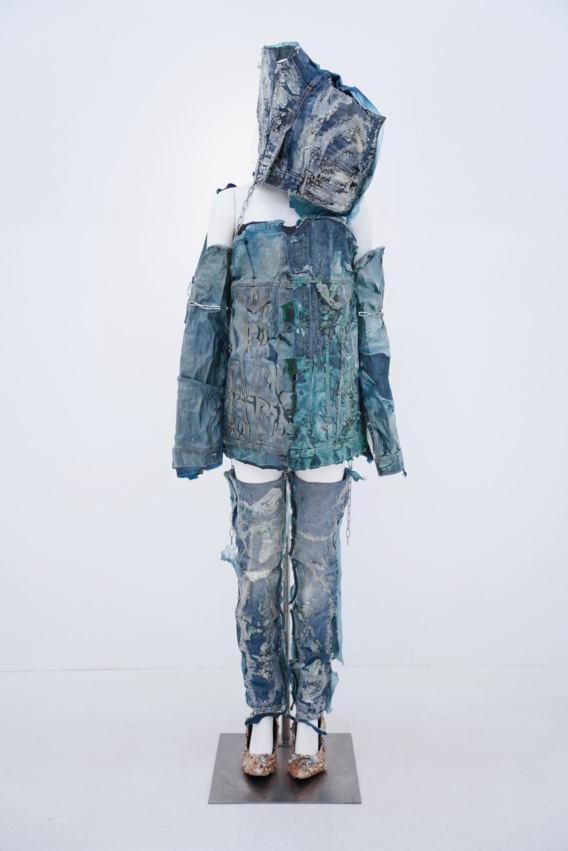
Figure 1: Fashion creation using agar plastic (1).
FASHION CREATION USING AGAR PLASTIC Despite recent advances, the development of products using agar in the fash- ion industry has not yet been fully explored. This study focused on the development of materials using agar bioplastics with the aim of exploring new possibilities for their utilization in the fashion sector. Specifically, this involved fashion creation using agar bioplastics and conducting research through design.
Textiles created by integrating denim fabric with agar plastic were uti- lized in fashion production. These textiles were created by disassembling old denim jackets and jeans and then treating them with prepared agar bioplastic solutions.
Fashion Design Combining Agar Bioplastics With Other Materials 23
To further explore the potential for diverse textile expressions, combina- tions of agar bioplastics with fabrics other than denim were then tested.
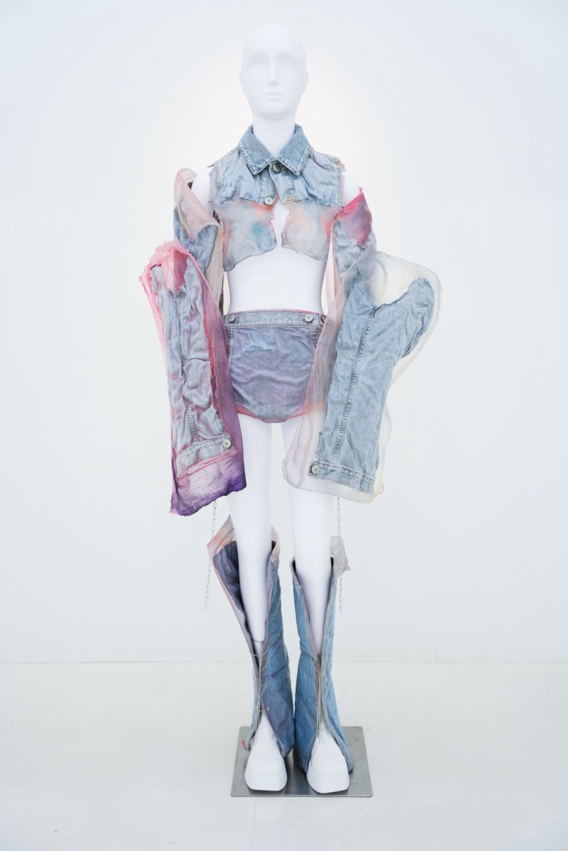
Figure 2: Fashion creation using agar plastic (2).
To produce the first set of textiles, disassembled denim parts were immersed and dried. These exhibited varying textures.
The first textile had a texture reminiscent of fish scale, possibly as a result of the agar shrinking and cracking as it dried, a process influenced by changes in moisture content (Figure 1).
In contrast, the second textile had fewer surface cracks than the first and was characterized by a unique texture with more pronounced undulations, resulting in a firmer fabric.
24 Kori
Based on the insights gained from this production process, it was hypothe- sized that the texture of an agar bioplastic textile could vary depending on the fabric it was combined with. Therefore, experimental production of textiles combining agar bioplastics with fabrics other than denim was conducted to further explore the potential for diverse textile expressions (Figure 2).
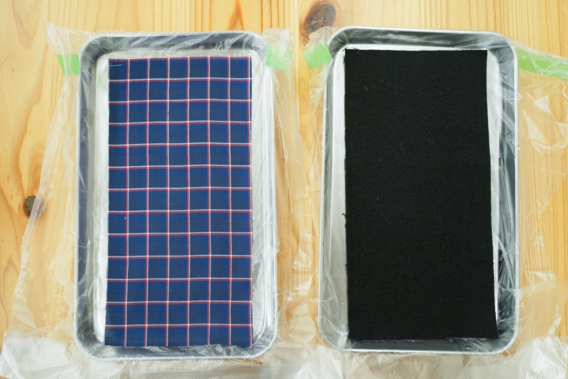
Figure 3: Agar bioplastic placed in container with fabric.
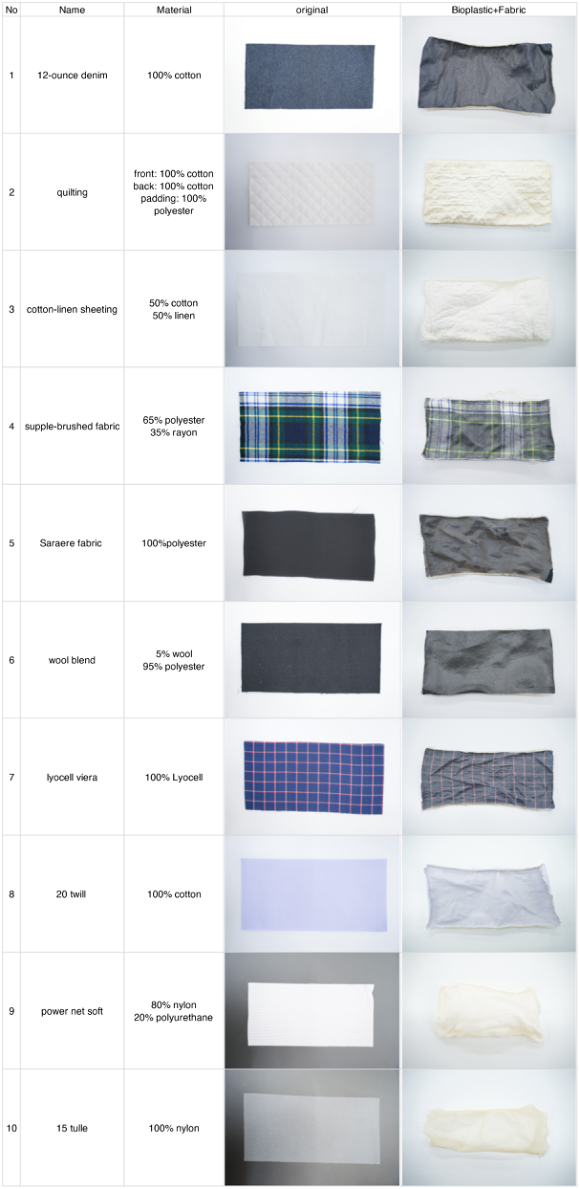
TEXTILE EXPERIMENT Further textile experiments were conducted based on insights gained from fashion production. Textiles were created by randomly combining ten differ- ent types of fabrics with agar bioplastics. The fabrics used were 12-ounce denim (100% cotton), quilting (outer: 100% cotton, backing: 100% cot- ton, filling: 100% polyester), cotton–linen sheeting (50% cotton, 50% linen), supple-brushed fabric (65% polyester, 35% rayon), Saraere fabric (100% polyester), wool blend (5% wool, 95% polyester), lyocell viyella (100% lyocell), 20 twill (100% cotton), power net soft (80% nylon, 20% polyurethane), and 15 tulle (100% nylon).
Agar bioplastics were produced by mixing 3 L of water, 75 g of agar, and 45 g of glycerin, heating to boiling, and then turning off the heat. A sheet was then laid in a stainless-steel tray and textiles cut into 24 cm × 12 cm pieces were placed in the tray. Then, 200 mL of the agar liq- uid was added to the tray, and the textiles were dried using a fan (Figure 3).
The process for creating agar bioplastics can be summarized as follows: 1. The fabrics were selected. 2. The fabrics were then cut to a specified size. 3. The sheet and fabric were placed in a stainless tray. 4. An agar bioplastic solution was created. 5. The prepared solution was then poured into a tray. 6. Finally, the fabric/solution mixture was dried using an airflow.
Fashion Design Combining Agar Bioplastics With Other Materials 25
Figure 4: Materials used in textile experiments.
26 Kori
RESULTS
As this study demonstrates, the fusion of agar bioplastics with fabric yields various textures and forms. Notably, samples No. 9 and No. 10 exhibited a tendency for shrinkage, likely attributed to the thinness of the fabric and the presence of gaps within it. Additionally, textures originating from the fabric were evident on the surface of agar bioplastics in samples No. 1, No. 5, No. 6, and No. 10. These textures appeared to be transferred from the uneven surfaces of the fabric, thereby introducing variations in the texture of the agar surface.
CONCLUSION
In this study, the fusion of agar bioplastics with a fabric resulted in the forma- tion of diverse textures and forms. Samples No. 9 and 10 exhibited shrinking possibly owing to the low thickness of the fabric and presence of gaps within it. Textures, possibly transferred from the uneven surfaces of the fabric, were evident on the surfaces of the agar bioplastics in samples No. 1, 5, 6, and 10, and caused variations in the texture of the agar surface. Nevertheless, the results were affected by several factors, including textural variability due to external influences (such as drying speed and temperature), variations in the quantity of the materials used, and limited number of experimental samples.
The limitations of this study arise from several factors, including the potential variability in texture resulting from external influences such as drying speed and temperature, and variations in the quantity of materials used. Moreover, the study’s findings may be constrained by the relatively limited number of experimental samples. Furthermore, Agar bioplastics are biodegradable, but the fabric also contains non-biodegradable materials, so processing and recycling methods for agar bioplastics are a challenge. More- over, these samples derived from agar bioplastics are susceptible to water, thus durability as a concern.
In the future, the number of agar-based bioplastic textile samples will be increased, and performance testing will be considered. In addition, we will explore the potential for integration into fashion and textile design.
REFERENCES
Audrey Ng. (2017). Grown microbial 3D fiber art, Ava: fusion of traditional art with technology. In Proceedings of the 2017 ACM International Symposium on Wearable Computers (ISWC ’17). 209–214. Dezeen. (2021, March 18). Hermès unveils Victoria bag made from "Sylvania"
mycelium-based leather. Website: https://www.dezeen.com/2021/03/18/hermes- mycelium-leather-victoria-bag-mycoworks/. [Accessed: February 14, 2024]. Eldy S. Lazaro Vasquez and Katia Vega. (2019). Myco-accessories: sustainable wearables with biodegradable materials. In Proceedings of the 2019 ACM International Symposium on Wearable Computers (ISWC ’19) pp. 306–311. Fiona Bell, Latifa Al Naimi, Ella McQuaid, and Mirela Alistar. (2022) Designing with
Alganyl. In Proceedings of the Sixteenth International Conference on Tangible, Embedded, and Embodied Interaction (TEI ’22). Article 2, pp. 1–14. Fabricademy. Website: https://textile-academy.org/ [Accessed: February 14, 2024]. TSUCHIYA KABAN Mylo. Website: https://tsuchiya-kaban.jp/pages/mylo [Accessed: February 14, 2024]. (in Japanese).
LISTED IN THE AHFE DIGITAL BOOKSTORE CATALOGUE
Explore the complete digital volume
Human Factors for Apparel and Textile Engineering
Read this individual research paper free through the original publisher, or explore the full digital proceedings book.
ISBN 978-1-964867-10-6
Explore this ISBN in the AHFE Bookstore ↗Listed in the July 2026 bookstore catalogue; search by ISBN to confirm current availability · Digital book purchase optional