Jiaan Li, Hailiang Wang (2025). The Evolution of Research on Robotic Technology for Older adults: A Bibliometric Analysis. In: Human Factors in Aging and Special Needs. AHFE Open Access, vol. 174, pp. 80–90. https://doi.org/10.54941/ahfe1006296
As the global aging trend intensifies, the health and well-being of older adults have gradually become a critical area of concern. Robotic technology, an innovative technological approach, exhibits significant potential for enhancing older adults’ quality of life. An analysis and synthesis of research on robotics technology for older adults are essential to provide theoretical insights and practical guidance. In this study, we conducted a bibliometric analysis of 968 papers on robotic technology for older adults. Using VOSviewer and CiteSpace, we identified four clusters of the foundational theoretical framework by establishing a reference co-citation network. Furthermore, we developed a keywords co-occurrence clustering network, which elucidated the three primary research directions in robot technology for older adults: socio-technical robotics, social acceptance and human factors, and emotional companionship. In conclusion, our findings suggest four key directions for future research in this field: 1) Enhancing user experience and acceptance among older adults; 2) Leveraging robotic technology to address older adults’ psychophysical health issues; 3) Examining the ethical challenges of robotic technology faced by older adults, 4) Conducting longitudinal experiments in real-life living environments to evaluate intervention effectiveness of robotics technology.
According to the World Population Prospects 2022, the global proportion of individuals aged 65 years and older is projected to rise from 10% in 2022 to 16% in 2050, with approximately two-thirds of the global population aged 60 and above projected to reside in low- and middle-income countries by 2050 (World Health Organization, 2024). Population aging represents a significant global challenge, characterized by the gradual decline in physical functions among older adults; the main problems they face include physical and cognitive decline, health problems, and psychological issues (Robinson et al., 2014). In the context of rapidly evolving ICT (Information Communication and Technology), robotics technologies, such as social robots, have emerged as a promising strategy to alleviate the pressures of an ageing society (Pollack, 2019).
The Evolution of Research on Robotic Technology for Older Adults: A Bibliometric Analysis 81
Robotic technology has become increasingly significant in enhancing the quality of life for older adults (Shishehgar et al., 2018). Robots designed for older adults can be broadly categorized into two types: healthcare robots that facilitate rehabilitation exercises and support daily activities (Fasola & Mataric, 2013), and social robots that assist the older adults with daily tasks and enhance daily life (Robinson et al., 2014). Social robots can be further categorised into service robots and companion robots. According to Broekens et al. (2009), companion robots, such as the Japanese seal- shaped robot Paro (Wada et al., 2003) and the Huggable (Stiehl et al., 2006), are designed to promote physical and mental well-being and foster positive emotions connection among older adults.
Existing studies regarding robotic technology for older adults are primarily confined to particular contexts or functional dimensions (Wada et al., 2004) (Robinson et al., 2013), with limited systematic analysis of the evolutionary path and research landscape. Therefore, this study aims to apply bibliometric analysis, utilizing CiteSpace and VOSviewer visualization tools to conduct multi-dimensional quantitative analysis. Through this mixed-method approach, this study reveals the current status, theoretical foundations and essential research directions, thereby providing insights and implications for both theoretical and practical research on robotic technology for older adults.
METHODS
Bibliometric analysis is a quantitative, systematic and transparent review method that enhances the rigour and reliability of the review (Nicolaisen, 2009; Rey-Martí et al., 2016). This study utilizes two bibliometric visualization programs, VOSviewer and CiteSpace, to analyze research development trends and establish mapping relationships (Meng et al., 2020; Donthu et al., 2021).
The primary ‘Older adult’ and ‘Robots’, along with their alternative terms, are listed in Table 1. The following study was based on the Web of Science core database. To ensure comprehensive coverage of interdisciplinary literature, all citation indices in the Web of Science were included, and no time restrictions were applied. A total of 968 valid documents were retrieved up to May 2023. These documents were screened according to the following criteria: 1) relevant to the research topic; 2) completeness of key metadata (e.g., publication year, keywords, authorship); and 3) removal of duplicates. Only peer-reviewed articles and reviews written in English were retained. The final dataset was then exported for further analysis.
Table 1: Query keywords in the web of science.
Table available in the original PDF paper.
Related to “Older Adult” Related to “Social Robots” “Older adult” OR “Older
“Chat robot” OR “Social robots” OR “Robotic”
people” OR “Elderly” OR “Ageing” OR “Senior”
OR “Companion robot” OR “Assistive robot” OR “Conversational robot” OR “Virtual robot”
82 Li and Wang
BIBLIOMETRIC RESULTS AND ANALYSIS Reference Co-Citation
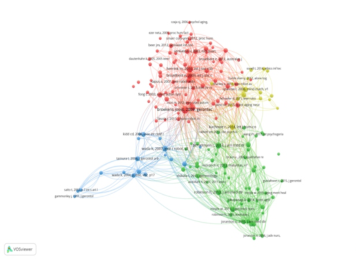
According to the statistical data, the 968 articles in the search scope cited 2876 authors and 22794 valid citations. The reference co-citation clustering network was set to show the authors and publication time of the literature with a minimum citation threshold of 17, that was selected empirically to include core and highly cited references, while avoiding a co-citation network that is either overly dense or too sparse. The numerous nodes finally formed four clustering networks, as shown in Figure 1 (left), and the list of the five most-cited papers from each cluster is available at Table 1 of supplementary document.
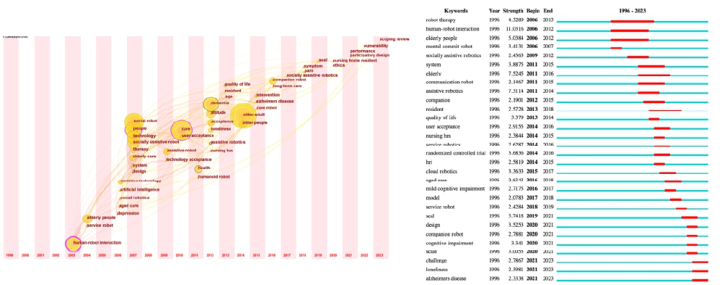
Figure 1: Reference co-citation network (left) and keywords co-occurrence clustering network (right), clearer version of the image is available at Figure 1.1 & Figure 1.2 of supplementary document.
Cluster 1: The Adoption of Robotic Technology by Older Adults The cluster comprises highly cited works on older adults’ adoption of robotic technology. Fong et al. established the human-robot interaction principle and evaluation methods, constructing the theoretical groundwork for socially interacting robots (Fong et al., 2003). Building on these foundations, Feil- Seifer and Matari´c identified socially assistive robots, integrating social interactions and assistive capabilities, and expanded the design space of robot service (Feil-Seifer & Mataric, 2005).
With studies moving towards practical applications, the needs-matching strategy proposed by Broadbent and Broekens’ effectiveness assessment, jointly develops the theoretical guidance of healthcare robot design (Broadbent et al., 2009; Broekens et al., 2009). Furthermore, Heerink (2010) developed a robot acceptance evaluation framework specifically for older adults, facilitating theory-to-practice translation.
Cluster 2: The Impacts of Robotic Technology on Psychophysical Well-being and Social Engagement This cluster examines the impact of social robots on older adults’ mental health and social interactions. Bemelmans et al. (2012) systematically
The Evolution of Research on Robotic Technology for Older Adults: A Bibliometric Analysis 83
reviewed the effects of companion-type robots on psychological and physiological parameters. Kachouie et al. (2014) developed a multi- level theoretical model for social assistive robots that provides clear methodological guidance for following research and practices. Based on these findings, Robinson et al. (2013) pioneered the use of randomized controlled trial (RCT) to validate the effectiveness of Paro robot (an advanced interactive robot developed by the intelligent systems research institute) intervention that alleviates older adults’ loneliness. At the same time, Mordoch et al. (2013) validated the substitute value of social robots in specific medical contexts for dementia populations, demonstrating the breakthrough innovation of robotic technology in conventional paradigms. Based on prior studies, Abdi et al. (2018) summarized the functionalities of social robots and showcased their potential intervention for older adults’ psychophysical well-being and social engagement.
Cluster 3: The Application of Robotic Technology in Geriatric Supportive Care The research direction of highly cited literature in this cluster focused on the application of robotic technology in care assistance for older adults.
Tamura et al. (2004) explored the effectiveness and usefulness of the entertainment robot in the care of severe dementia. They concluded that the entertainment robot could promote emotional expression and improve social interaction and life satisfaction. Wada et al.’s study verified robot-assisted activity in day care centers, finding that robot-assisted activities improve older adults’ while reducing caregivers’ burden (Wada et al., 2004; Wada, Shibata, Saito, & Tanie, 2003). Based on these findings, Wada and Shibata conducted a longitudinal study of older adults living with seal robots -Paro, examining the sociopsychological and physiological effects of seal robots - Paro on older adults. Kidd et al. (2006) highlighted the practical application of social robots as a technological tool to address social isolation in an ageing society. These studies provided empirical evidence of social assistive robots in elderly care, revealing potential value of intervention for older adults’ care services.
Cluster 4: The Ethical and Privacy Issues Related to Robotic Technology The highly cited literature in this cluster focuses on the ethical issues faced by using social assistive robots in senior care. Cluster 4 is represented by the article in Minds and Machine, which critically reflected on replacing human care with robots, highlighting the irreplaceable role of human relationships in elderly care (Sparrow & Sparrow, 2006). This critique established a theoretical framework for subsequent ethical research. In this context, six key ethical concerns in robotic healthcare for older adults were identified, developing ethical principles for robotic healthcare (Sharkey & Sharkey, 2012). In addition, Vandemeulebroucke et al. investigated older adults’ perspectives on social assistive robots, focusing on inadequate humanized care, privacy protection and autonomy considerations (Vandemeulebroucke et al., 2017). From a technical design perspective, Feil-Seifer and Mataric examined ethical considerations, highlighting the integration of privacy
84 Li and Wang
protection and decision-making authority in robot design (Feil-Seifer & Mataric, 2005). With the development of nursing robot technology, Sorell and Draper developed an ethical framework centered on autonomy, exploring the robot’s presence in nursing care while emphasizing the necessity of prioritizing older adults’ needs and privacy protection (Sorell & Draper, 2014). The ethical principle needs continuous examination as changing cultural backgrounds and usage contexts. These studies provide essential theoretical guidance for the practical application of robotic technology.
KEYWORDS ANALYSIS The keywords extracted from the literature provide an overview of research themes, and the keywords co-occurrence network shows the research hotspot in robotic technology for older adults. The analysis identified 204 keyword nodes and 4243 links, forming three distinct clusters. The results are presented in Figure 1 (right) and Table 2.
Cluster #1 (Red): Socio-Technical Robotics The study of dynamic interaction between humans and social robots is defined as human-robot interaction (Feil-Seifer & Matari´c, 2011). A robot becomes “social” when equipped with specific communication capabilities designed for social interaction (Hegel et al., 2009). Compared with robots, social robots integrate social features as core functionalities alongside technical capabilities. Hegal et al. (2009) conceptualized social robots through a framework combining robots with “social interface”- features enabling social interaction. However, Vincent et al. (2015) argued that effective social interactions require robots to adhere to cultural norms and social values. Although robotics technology has demonstrated potential for improving older adults’ quality of life, interaction challenges remain between humans and robots (Olaronke et al., 2017).
The Evolution of Research on Robotic Technology for Older Adults: A Bibliometric Analysis 85
Cluster #2 (Green): Social Acceptance and Human Factors Understanding users’ psychological demands and acceptance is crucial in developing social robots as an innovative human-robot interaction technology. Based on the Technology Acceptance Model (TAM) (Davis, 1989), de Graaf & Allouch examined key variables affecting social robot acceptance, identifying core influential factors, including utilitarian and hedonic factors. These factors directly or indirectly influence users’ attitudes and behavioural intentions, providing a theoretical framework for analyzing user acceptance behaviour (de Graaf & Ben Allouch, 2013). Broadbent et al. (2009) investigated social robot acceptance from a characteristic-based perspective, revealing that robot characteristics and user needs are important factors.
In terms of evaluation tools, Krägeloh et al. (2019) conducted a systematic review of measurement and determined that, although there is a growing variety of measurement tools, further research is needed to improve their reliability and efficiency. Nomura et al. (2006) focused on negative attitudes towards robots, they developed and validated a negative attitude scale comprising three dimensions: negative attitude towards situations of interaction with robots, negative attitude towards the social influence, and negative attitude towards emotions in interaction with robots, providing reliable tool for assessing human negative attitudes towards communication robots.
Although current research has established systematic frameworks for evaluating social robotic technology, with the breakthroughs of large language models and artificial intelligence, social robots will transform from basic interactive tools to multi-agent systems with advanced cognitive and decision-making capabilities. Future research should concentrate on integrating the trust dynamics and psychological adaptation mechanisms in human-robot collaboration into evaluation frameworks.
Cluster #3 (Blue): Emotional Companionship With the development of human-robot interaction, pet-robot intervention (PRI) has been gradually applied as a psychological intervention. There are emotional benefits to interacting with pets or animals, and the literature suggests that animal assisted therapy (AAT) is effective in reducing the behavioural and psychological symptoms of dementia (BPSD) (Hu et al., 2018). Based on the AAT theoretical framework, pet robot intervention (PRI) presents an alternative. The companion robots, such as the seal robot -Paro, provide users with pet-like companionship (Wada & Shibata, 2007). These robots enhance the physical and mental health of older adults and facilitate social interaction. Some studies have confirmed their clinical effectiveness: In a pilot randomized trial, Liang et al. (2017) found that Paro robots are effective in improving emotional problems and social interaction among dementia patients in community settings, assisting caregivers in enhancing quality of care and increase older adults’ quality of life (Bemelmans et al., 2015). Moyle et al.’s (2013) research further demonstrated that Paro robots, as therapeutic companions, can enhance
86 Li and Wang
older adults’ participation in activities, which is an effective treatment strategy for dementia patients. Furthermore, these companion robots utilize integrated sensors and software systems to monitor and analyze users’ vital signs during interactions (Valentí Soler et al., 2015).
However, some scholars are sceptical about pet companion robots. Weber argues that pet robots might lead to impoverished lives of older adults and result in stereotyped social behaviours (Weber, 2005). In contrast to real animals and pets, pet companion robots as substitutes may cause older adults to feel cheated and affect their self-esteem (Sharkey, 2014).
Although significant progress has been made in research on pet companion robots for patients with dementia, further in-depth studies are still needed in areas such as usage patterns analysis and long-term effectiveness evaluation to optimize human-robot interaction outcomes and enhance therapeutic benefits for older adults.
CITESPACE ANALYSIS AND TIME ZONE VIEW The time zone view and keywords burst term are temporal analytical tools for analyzing keywords evolution. Cross-referencing these methods enhances the reliability and precision of temporal analysis (Kleinberg, 2002). Figure 2 (left) illustrates the statistical analysis of keyword temporal distribution, generating a time zone view that visualizes the thematic evolution of research on older adults and social robots across period.
Based on the integrated analysis of keywords time zone view and burst term in Figure 2, our findings suggest that future work should focus on 1) Enhancing user experience and robotic technology acceptance among older adults; 2) Leveraging robotic technology to address older adults’ psychophysical health issues; 3) Examining the ethical challenges of robotic technology faced by older adults; 4) Conducting longitudinal experiments in real-life living environments to evaluate intervention effectiveness of robotics technology.
Figure 2: Keywords time zone view (left) & keywords burst term (right); clearer version of the image is available at Figure 2.1& Figure 2.2 of supplementary document.
The Evolution of Research on Robotic Technology for Older Adults: A Bibliometric Analysis 87
CONCLUSION
In this study, we conducted a bibliometric analysis towards robotics technology for older adults, identifying four theoretical framework clusters through reference co-citation. Furthermore, we developed a keywords co- occurrence network that elucidates three research hotspots in this field: socio-technical robotics, social acceptance, human factors and emotional companionship. Lastly, we proposed four research directions to guide future research on robotics technology for older adults and contribute to enhancing their quality of life.
ACKNOWLEDGMENTS
This work was supported by the Hong Kong Polytechnic University grants (grant#: P0050656 and grant# 0049627).
REFERENCES
Abdi, J., Al-Hindawi, A., Ng, T., & Vizcaychipi, M. P. (2018). Scoping review on the use of socially assistive robot technology in elderly care. BMJ Open, 8(2), e018815. https://doi.org/10.1136/bmjopen-2017-018815 Appendix.docx. “Appendix.docx.” Google Docs, 2019, docs.google.com/ document/d/1dedhup2I3iL_IU9VwvMKki6Y6p_-zKKj/edit?usp=sharing& ouid=117748465463265288235&rtpof=true&sd=true. Accessed 22 Feb. 2025. Bemelmans, R., Gelderblom, G. J., Jonker, P., & de Witte, L. (2012). Socially Assistive
Robots in Elderly Care: A Systematic Review into Effects and Effectiveness. Journal of the American Medical Directors Association, 13(2), 114–120.e1. https://doi.org/10.1016/j.jamda.2010.10.002 Bemelmans, R., Gelderblom, G. J., Jonker, P., & de Witte, L. (2015). Effectiveness of Robot Paro in Intramural Psychogeriatric Care: A Multicenter Quasi- Experimental Study. Journal of the American Medical Directors Association, 16(11), 946–950. https://doi.org/10.1016/j.jamda.2015.05.007 Bernabei, V., De Ronchi, D., La Ferla, T., Moretti, F., Tonelli, L., Ferrari, B., Forlani,
M., & Atti, A. R. (2013). Animal-assisted interventions for elderly patients affected by dementia or psychiatric disorders: A review. Journal of Psychiatric Research, 47(6), 762–773. https://doi.org/10.1016/j.jpsychires.2012.12.014 Broadbent, E., Stafford, R., & MacDonald, B. (2009). Acceptance of Healthcare Robots for the Older Population: Review and Future Directions. International Journal of Social Robotics, 1(4), 319–330. https://doi.org/10.1007/s12369-009- 0030-6 Broekens, J., Heerink, M., & Rosendal, H. (2009). Assistive social robots
in elderly care: A review. Gerontechnology, 8(2). https://doi.org/10.4017/ gt.2009.08.02.002.00 de Graaf, M. M. A., & Ben Allouch, S. (2013). Exploring influencing variables for the acceptance of social robots. Robotics and Autonomous Systems, 61(12), 1476–1486. https://doi.org/10.1016/j.robot.2013.07.007 Davis, F. D. (1989). Perceived usefulness, perceived ease of use, and user acceptance of
information technology. MIS Quarterly, 13(3), 319–340. https://doi.org/10.2307/ 249008 Donthu, N., Kumar, S., Mukherjee, D., Pandey, N., & Lim, W. M. (2021). How to conduct a bibliometric analysis: An overview and guidelines. Journal of Business Research, 133, 285–296. https://doi.org/10.1016/j.jbusres.2021.04.070
88 Li and Wang
Fasola, J., & Mataric, M. (2013). A Socially Assistive Robot Exercise Coach for the Elderly. Journal of Human-Robot Interaction, 2(2). https://doi.org/10.5898/ jhri.2.2.fasola Feil-Seifer, D., & Mataric, M. J. (2005). Socially Assistive Robotics. 9th International
Conference on Rehabilitation Robotics, 2005. ICORR 2005. https://doi.org/ 10.1109/icorr.2005.1501143 Fong, T., Nourbakhsh, I., & Dautenhahn, K. (2003). A survey of socially interactive robots. Robotics and Autonomous Systems, 42(3-4), 143–166. https://doi.org/ 10.1016/s0921-8890(02)00372-x Hegel, F., Muhl, C., Wrede, B., Hielscher-Fastabend, M., & Sagerer, G. (2009,
February 1). Understanding Social Robots. IEEE Xplore. https://doi.org/10.1109/ ACHI.2009.51 Hu, M., Zhang, P., Leng, M., Li, C., & Chen, L. (2018). Animal-assisted intervention for individuals with cognitive impairment: A meta-analysis of randomized controlled trials and quasi-randomized controlled trials. Psychiatry Research, 260, 418–427. https://doi.org/10.1016/j.psychres.2017.12.016 Kachouie, R., Sedighadeli, S., Khosla, R., & Chu, M.-T. (2014). Socially
Assistive Robots in Elderly Care: A Mixed-Method Systematic Literature Review. International Journal of Human-Computer Interaction, 30(5), 369–393. https://doi.org/10.1080/10447318.2013.873278 Kidd, C. D., Taggart, W., & Turkle, S. (2006). A sociable robot to encourage social interaction among the elderly. Proceedings 2006 IEEE International Conference on Robotics and Automation, 2006. ICRA 2006. https://doi.org/ 10.1109/robot.2006.1642311 Kleinberg, J. (2002). Bursty and hierarchical structure in streams. Knowledge
Discovery and Data Mining. https://doi.org/10.1145/775047.775061 Krägeloh, C. U., Bharatharaj, J., Sasthan Kutty, S. K., Nirmala, P. R., & Huang, L.
(2019). Questionnaires to Measure Acceptability of Social Robots: A Critical Review. Robotics, 8(4), 88. https://doi.org/10.3390/robotics8040088 Liang, A., Piroth, I., Robinson, H., MacDonald, B., Fisher, M., Nater, U. M., Skoluda, N., & Broadbent, E. (2017). A Pilot Randomized Trial of a Companion Robot for People With Dementia Living in the Community. Journal of the American Medical Directors Association, 18(10), 871–878. https://doi.org/10.1016/j.jamda.2017.05.019 M. Heerink. (2010). Assessing acceptance of assistive social robots by aging adults. Meng, L., Wen, K.-H., Brewin, R., & Wu, Q. (2020). Knowledge Atlas on the
Relationship between Urban Street Space and Residents’ Health—A Bibliometric Analysis Based on VOSviewer and CiteSpace. Sustainability, 12(6), 2384. https:// doi.org/10.3390/su12062384 Mordoch, E., Osterreicher, A., Guse, L., Roger, K., & Thompson, G. (2013). Use of social commitment robots in the care of elderly people with dementia: A literature review. Maturitas, 74(1), 14–20. https://doi.org/10.1016/j.maturitas.2012.10.015 Moyle, W., Cooke, M., Beattie, E., Jones, C., Klein, B., Cook, G., & Gray, C.
(2013). Exploring the Effect of Companion Robots on Emotional Expression in Older Adults with Dementia: A Pilot Randomized Controlled Trial. Journal of Gerontological Nursing, 39(5), 46–53. https://doi.org/10.3928/00989134- 20130313-03 Nicolaisen, J. (2009). Bibliometrics and Citation Analysis: From the Science Citation Index to Cybermetrics. Journal of the American Society for Information Science and Technology, 61(1), 205–207. https://doi.org/10.1002/asi.21181
The Evolution of Research on Robotic Technology for Older Adults: A Bibliometric Analysis 89
Nomura, T., Suzuki, T., Kanda, T., & Kato, K. (2006). Measurement of negative attitudes toward robots. Interaction Studies, 7(3), 437–454. https://doi.org/ 10.1075/is.7.3.14nom Olaronke, I., Oluwaseun, O., & Rhoda, I. (2017). State Of The Art: A Study of
Human-Robot Interaction in Healthcare. International Journal of Information Engineering and Electronic Business, 9(3), 43–55. https://doi.org/10.5815/ ijieeb.2017.03.06 Pollack, M. E. (2019). Intelligent Technology for an Aging Population: The Use of AI to Assist Elders with Cognitive Impairment. AI Magazine, 26(2), 9–9. https://doi.org/10.1609/aimag.v26i2.1810 Rey-Martí, A., Ribeiro-Soriano, D., & Palacios-Marqués, D. (2016). A bibliometric
analysis of social entrepreneurship. Journal of Business Research, 69(5), 1651–1655. https://doi.org/10.1016/j.jbusres.2015.10.033 Robinson, H., MacDonald, B., & Broadbent, E. (2014). The Role of Healthcare Robots for Older People at Home: A Review. International Journal of Social Robotics, 6(4), 575–591. https://doi.org/10.1007/s12369-014-0242-2 Robinson, H., MacDonald, B., Kerse, N., & Broadbent, E. (2013). The Psychosocial
Effects of a Companion Robot: A Randomized Controlled Trial. Journal of the American Medical Directors Association, 14(9), 661–667. https://doi.org/ 10.1016/j.jamda.2013.02.007 Sharkey, A. (2014). Robots and human dignity: A consideration of the effects of robot care on the dignity of older people. Ethics and Information Technology, 16(1), 63–75. https://doi.org/10.1007/s10676-014-9338-5 Sharkey, A., & Sharkey, N. (2012). Granny and the robots: Ethical issues in
robot care for the elderly. Ethics and Information Technology, 14(1), 27–40. https://doi.org/10.1007/s10676-010-9234-6 Shishehgar, M., Kerr, D., & Blake, J. (2018). A systematic review of research into how robotic technology can help older people. Smart Health, 7-8, 1–18. https://doi.org/10.1016/j.smhl.2018.03.002 Sorell, T., & Draper, H. (2014). Robot carers, ethics, and older people. Ethics and
Information Technology, 16(3), 183–195. https://doi.org/10.1007/s10676-014- 9344-7 Sparrow, R., & Sparrow, L. (2006). In the hands of machines? The future of aged care. Minds and Machines, 16(2), 141–161. https://doi.org/10.1007/s11023-006- 9030-6 Stiehl, W. D., Lieberman, J., Breazeal, C., Basel, L., Cooper, R., Knight, H., Lalla,
L., Maymin, A., & Purchase, S. (2006). The huggable: A therapeutic robotic companion for relational, affective touch. CCNC 2006. 2006 3rd IEEE Consumer Communications and Networking Conference, 2006. https://doi.org/10.1109/cc nc.2006.1593253 Tamura, T., Yonemitsu, S., Itoh, A., Oikawa, D., Kawakami, A., Higashi, Y., Fujimooto, T., & Nakajima, K. (2004). Is an Entertainment Robot Useful in the Care of Elderly People With Severe Dementia? The Journals of Gerontology: Series A, 59(1), M83–M85. https://doi.org/10.1093/gerona/59.1. M83 Valentí Soler, M., Agüera-Ortiz, L., Olazarán Rodríguez, J., Mendoza Rebolledo, C.,
Pérez Muñoz, A., Rodríguez Pérez, I., Osa Ruiz, E., Barrios Sánchez, A., Herrero Cano, V., Carrasco Chillón, L., Felipe Ruiz, S., López Alvarez, J., León Salas, B., Cañas Plaza, J. M., Martín Rico, F., Abella Dago, G., & Martínez Martín, P. (2015). Social robots in advanced dementia. Frontiers in Aging Neuroscience, 7. https://doi.org/10.3389/fnagi.2015.00133
90 Li and Wang
Vandemeulebroucke, T., de Casterlé, B. D., & Gastmans, C. (2017). How do older adults experience and perceive socially assistive robots in aged care: A systematic review of qualitative evidence. Aging & Mental Health, 22(2), 149–167. https:// doi.org/10.1080/13607863.2017.1286455 Vincent, J., Taipale, S., Sapio, B., Lugano, G., & Leopoldina Fortunati. (2015). Social
Robots from a Human Perspective. In Springer eBooks. Springer Nature. https:// doi.org/10.1007/978-3-319-15672-9 Wada, K.., & Shibata, T.. (2007). Living With Seal Robots—Its Sociopsychological and Physiological Influences on the Elderly at a Care House. IEEE Transactions on Robotics, 23(5), 972–980. https://doi.org/10.1109/tro.2007.906261 Wada, K., Shibata, T., Saito, T., Sakamoto, K., & Tanie, K. (2005). Psychological
and Social Effects of One Year Robot Assisted Activity on Elderly People at a Health Service Facility for the Aged. Proceedings of the 2005 IEEE International Conference on Robotics and Automation. https://doi.org/10.1109/ robot.2005.1570535 Wada, K., Shibata, T., Saito, T., & Tanie, K. (2003). Effects of robot assisted activity to elderly people who stay at a health service facility for the aged. Proceedings 2003 IEEE/RSJ International Conference on Intelligent Robots and Systems (IROS 2003) (Cat. No.03CH37453). https://doi.org/10.1109/iros.2003.1249302 Wada, K., Shibata, T., Saito, T., & Tanie, K. (2004). Effects of robot-assisted activity
for elderly people and nurses at a day service center. Proceedings of the IEEE, 92(11), 1780–1788. https://doi.org/10.1109/jproc.2004.835378 Weber, J. (2005). Helpless machines and true loving care givers: A feminist critique of recent trends in human-robot interaction. Journal of Information, Communication and Ethics in Society, 3(4), 209–218. https://doi.org/10.1108/ 14779960580000274 World Health Organization. (2024, October 1). Ageing and Health. World
Health Organization. https://www.who.int/news-room/fact-sheets/detail/ageing- and-health
LISTED IN THE AHFE DIGITAL BOOKSTORE CATALOGUE
Explore the complete digital volume
Human Factors in Aging and Special Needs
Read this individual research paper free through the original publisher, or explore the full digital proceedings book.
ISBN 978-1-964867-50-2
Explore this ISBN in the AHFE Bookstore ↗Listed in the July 2026 bookstore catalogue; search by ISBN to confirm current availability · Digital book purchase optional