André Cardoso, Rosana Alexandre, Filipe Moreira, Ana Colim (2026). Human-Centered Assessment Methods for Smart Building Systems: A Systematic Review of Ergonomics and Human Interaction. In: Human Interaction and Emerging Technologies (IHIET-FS 2026): Future Systems and Design Applications. AHFE Open Access, vol. 235, pp. 19–28. https://doi.org/10.54941/ahfe1007257
Smart Building Systems (SBS) are becoming increasingly integrated into everyday life, and their effectiveness depends not only on technological performance but also on how well they fit human needs, capabilities, and limitations. This systematic review examines Ergonomics and Human Factors (E&HF) assessment methods applied in SBS. Following Preferred Reporting Items for Systematic Reviews and Meta-Analyses (PRISMA) guidelines, a literature search was conducted in Scopus, Web of Science, PubMed, and ScienceDirect for studies published between 2020 and 2025. Of the records screened, eight studies met the inclusion criteria. The included studies covered residential smart homes, inclusive housing, educational buildings, and industrial settings, and evaluated interfaces such as mobile applications, web interfaces, voice assistants, chatbots, tablet-based systems, and multimodal solutions. Most studies focused on cognitive ergonomics, while only one explicitly addressed both cognitive and physical ergonomics. The main assessment methods identified were: (i) subjective questionnaires, including usability, trust, comfort, and user experience scales; (ii) behavioural and performance-based measures, such as task completion time, effectiveness, and observational methods; and (iii) physiological measures, namely eye-tracking and heart rate. The findings highlight that usability and user acceptance are strongly influenced by interface modality, task demands, and user characteristics. However, the evidence remains methodologically fragmented, with small samples and limited ecological validity. Overall, the review underlines the need for more integrated, multimethod, and human-centered assessment frameworks to support the design of SBS that are usable, inclusive, and responsive to diverse users.
Smart Building Systems (SBS), also referred to as Smart Home systems, constitute a multidisciplinary field that lies at the intersection of engineering, computer science, architecture, and user experience within built environments (Navarro-Tuch et al., 2019).
Despite rapid technological progress, evidence shows that technology alone does not guarantee energy efficiency, comfort, or user satisfaction (Faizrakhmanov et al., 2025). Even in high-performance buildings, the Received April 9, 2026; Revised April 27, 2026; Accepted May 12, 2026; Available online June 22, 2026
absence of user engagement can lead to energy performance gaps and reduced acceptance of automation (D’Oca et al., 2018). This demonstrates that the human dimension, specifically how occupants perceive, interact with, and adapt to smart technologies, is decisive for the success of SBS.
SBS are commonly understood as ecosystems of interconnected devices and sensors that enable users to control lighting, heating, ventilation, shutters, security systems, and other building components through various interaction modalities. These range from mobile applications and web interfaces to voice assistants, chatbots, and physical interfaces (Faizrakhmanov et al., 2025; Rashidi & Mihailidis, 2013). However, as Brich et al. (2017) argue, the success of these technologies depends critically on the usability and inclusivity of the interfaces, particularly for users with lower digital literacy or impairments.
Evaluating and comparing the different SBS interfaces remains methodologically challenging, as no single assessment approach is sufficient to capture the diversity of interaction demands and user experiences. In this context, ergonomics and human factors (E&HF) are central to ensuring that SBS are not merely technologically advanced, but also human-centered (Becerik-Gerber et al., 2022). Cognitive ergonomics provides insights into how workload, trust, attention, and decision-making influence interaction with intelligent systems. Physical ergonomics addresses comfort, accessibility, and physiological aspects such as thermal environment, lighting, and air quality. Organizational ergonomics highlights the role of social norms, inclusivity, and collective practices in shaping technology adoption and long-term use. Together, these perspectives ensure that SBS are designed to align with human capabilities and limitations, creating environments that are not only efficient but also acceptable, safe, and empowering for diverse populations (Jayathissa et al., 2020; Li et al., 2020).
Thus, ergonomics acts as a bridge between advanced digital infrastructures and the lived experiences of occupants, ensuring that SBS evolves from technology-driven environments into human-centered ecosystems that foster well-being, inclusivity, and sustainability.
This review examines the state of the art in E&HF research for SBS. Specifically, it analyses which E&HF methods and metrics have been applied, how user interaction and experience have been assessed, and what conclusions can be drawn regarding usability, accessibility, and acceptance, among others. In particular, the review considers the main categories of E&HF assessment methods, namely (i) self-report or subjective questionnaires, (ii) observational and performance-based measures, and (iii) physiological measures (David, 2005; Fista et al., 2019). By identifying recurring findings, methodological limitations, and future research needs, this review contributes to the development of ergonomic, inclusive, and human-centered SBS solutions.
MATERIAL AND METHODS This review adhered to the methodology established by the Preferred Reporting Items for Systematic Reviews and Meta-Analyses (PRISMA) (Moher et al., 2009).
Human-Centered Assessment Methods for Smart Building Systems 21 Information Source, Screening, and Eligibility Criteria
A comprehensive literature search was conducted across four major scientific databases, namely Scopus, Web of Science, PubMed, and ScienceDirect. The search strategy utilized the keywords “ergonomics” OR “human factors” AND “smart home” OR “smart buildings” OR “building automation” OR “smart building interface” OR “smart building control”. The search was limited to the period 2020–2025 to ensure the inclusion of the most recent developments in SBS research and human-centered building technologies.
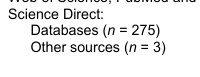
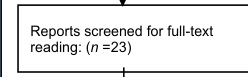
The initial search identified 275 records, with an additional three articles retrieved from a personal database, yielding a total of 278 records. After removing duplicates and excluding documents that were either not open access or not written in English, 110 articles remained for title and abstract screening. During the screening phase, titles and abstracts were assessed according to predefined inclusion criteria, resulting in the exclusion of 91 records and leaving 23 articles for full-text review.
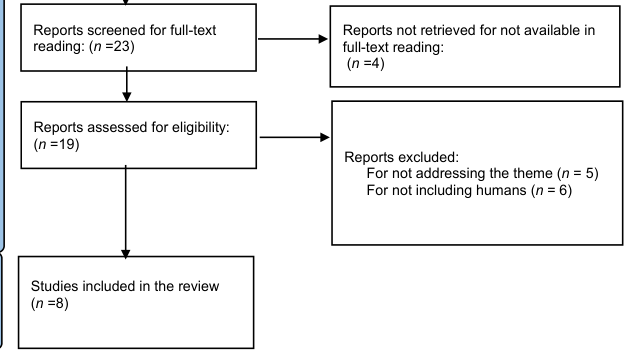
To manage the dataset, Microsoft Excel Version 16.03 was used to organize and sort the records. Of these, 4 articles were excluded due to unavailability of the full text, leaving 19 studies for eligibility assessment. Subsequently, four studies were excluded for not addressing the core theme, and five studies were excluded for not including human participants in the experimental design. In total, eight records met all criteria and were included in the final review, as summarized in Figure 1.
Identification of studies via databases and registers
Records identified from Scopus, Web of Science, PubMed and Science Direct:
Records removed before screening: Not being written in English: (n = 3) Not being open access: (n = 156) Duplicate records removed: (n = 9)
Equation reproduced from the original PDF.
Records screened (n =110) Records excluded after title and abstract screening: (n =91)
Equation reproduced from the original PDF.Equation reproduced from the original PDF.Figure 1: Steps of the PRISMA protocol for the literature review on ergonomics & human factors in smart building systems (adapted from Moher et al., 2009).
Figure available in the original PDF paper.
This systematic approach established a rigorous foundation for analysing the application of E&HF assessment methods in SBS, as well as their broader implications for human well-being and user experience.
Data Extraction and Analysis Following the selection and full-text analysis of the articles included in the review, a data-extraction table was developed using Microsoft Excel (Version 16.03) to systematically compile and organise the relevant information from each study. The primary objective of this step was to capture essential methodological and contextual details to enhance understanding of the approaches employed and to support future research directions. The extracted variables included: authorship and publication year, sample size, study type, testing context, interface modality, ergonomic domain, E&HF assessment methods, and general conclusions. Subsequently, tables were generated to facilitate clearer visualisation of the extracted data, enabling more effective interpretation and comparison of results.
RESULTS
This section presents the main findings of the systematic review. Specifically, it provides: (i) an overview of the included studies, describing their sample size, study design, testing context, and interface modality; (ii) a synthesis of the ergonomic domains and assessment methods identified, grouped into subjective questionnaires, observational/performance-based measures, and physiological measures; and (iii) a summary of the main findings reported across the reviewed studies Overview of the Included Studies
Table 1 summarizes the main characteristics of the studies included in this review. A total of eight studies were analysed, published between 2020 and 2025. Most studies were conducted in residential smart home contexts, including smart home showrooms, living labs, smart home bedrooms, inclusive housing, and other residential settings. Two studies were conducted in other contexts, namely an educational building and an industrial production setting. Regarding study design, most papers adopted experimental approaches, while one study used a survey-based design approach. The number of participants varied substantially across studies, ranging from 5 to 429. The reviewed studies covered different interface types, including mobile applications, tablet-based interfaces, voice assistants, touchscreens, web interfaces, chatbots, and domestic service control systems. Some studies compared more than one interaction modality, particularly voice and touch-based solutions.
Table 1: Overview of the studies included in the review, including sample size, study type, testing context, and interface type.
Table available in the original PDF paper.
Study Type Testing Context Interface Modality
Author (Year) Sample Size (n)
Mobile application
Cassioli et al. (2022) 19 Experimental study
Residential smart home showroom Fang et al. (2020) 6 Experimental study Residential smart home bedroom environment Smart home environmental control system
Bresa et al. (2023) 429 Survey-based study
Educational building
Conceptual feedback interface
Belloum et al. (2021) 5 Experimental study
Tablet-based wizard interface
Residential smart home for ageing and cognitive disability support Norda et al. (2024) 15 Experimental study Industrial production environment Voice control versus touchscreen graphical user interface
Table 2 presents the ergonomic domains and assessment methods identified in the reviewed studies. Seven studies were situated within the domain of cognitive ergonomics, while only one study addressed both cognitive and physical ergonomics. Regarding assessment methods, subjective questionnaires were the most frequently used approach across the reviewed studies. These included usability, user experience, comfort, trust, behavioural intention, and modality preference measures. Observational and performance-based measures were identified in a smaller number of studies (four in total) and included task execution time, number of interactions, repetitions, success rate, observational notes, cognitive walkthrough, and think-aloud procedures. Physiological measures were the least frequently used and were limited to eye-tracking and heart rate, identified in only two studies.
Overall, the reviewed literature indicates that all studies applied self-report questionnaires, with only two relying exclusively on them. Most
studies also combined with observational measures, while physiological metrics were used in only two studies.
Table 2: Ergonomic domains and assessment methods identified in the studies.
Table available in the original PDF paper.
Ergonomic Assessment Methods
Author (Year) Ergonomic Domain
Physiological Measures
Self-Report/ Subjective Questionnaires
Observational/ Performance-Based Measures
Cassioli et al. (2022)
Cognitive ergonomics
Locus of Control questionnaire; BIS/BAS scales; UEQ
N.A. Eye-tracking (number and duration of fixations; time to first fixation)
Fang et al. (2020) Cognitive
N.A. Heart rate
Comfort questionnaire
and physical ergonomics
N.A. N.A.
Bresa et al. (2023)
Cognitive ergonomics
Subjective questionnaire
N.A.
Belloum et al. (2021)
Cognitive ergonomics
SUS; AttrakDiff Cognitive walkthrough; think-aloud; error logs; execution time Subjective ratings Execution time; number N.A.
Norda et al. (2024)
Cognitive ergonomics
of interactions, number of repetitions N.A.
Faizrakhmanov et al. (2025)
Cognitive ergonomics
Satisfaction rating
success rate; task execution time N.A. N.A.
Vigouroux et al. (2022)
Cognitive ergonomics
USE questionnaire; UEQ; Questionnaire on interaction modalities
N.A.
Cognitive ergonomics
Usability questionnaire
Baborska- Narożny and Stevenson (2020)
Observational notes, cognitive mapping of inhabitant understanding Legend: Behavioural inhibition system (BIS)/ and behavioural activation system (BAS); User experience questionnaire (UEQ); System Usability Scale (SUS); Usefulness, Satisfaction, Ease of Use, Ease of Learning (USE)
Main Findings Across Studies Across the reviewed studies, the main findings were primarily related to usability, interaction quality, comfort, and user acceptance in SBS. Cassioli et al. (2022) found that interaction complexity and users’ psychological traits influenced visual exploration behaviour in smart home environments, showing that attention patterns vary according to both interface demands and individual characteristics. Fang et al. (2020) reported that heart rate was associated with indoor environmental parameters and that the thermal
Human-Centered Assessment Methods for Smart Building Systems 25 comfort control system improved the comfort zone ratio, although it did not fully match individual comfort preferences. Bresa et al. (2023) showed that occupants’ willingness to interact with human-centered controllers was mainly influenced by attitude, subjective norms, perceived behavioural control, and user trust. Belloum et al. (2021) found that caregivers were able to create activity-supporting smart home services through a wizard- based interface, and that the system showed good usability and ease of use. Norda et al. (2024) showed that voice control could provide a time-efficiency advantage over touch control in more complex interaction scenarios, while also being perceived as intuitive and associated with lower cognitive load. Faizrakhmanov et al. (2025) reported important usability differences across smart home interfaces, concluding that graphical user interfaces with visible controls were more usable than voice assistants or chatbots, although voice interaction remained useful as a complementary control modality. Vigouroux et al. (2022) showed that both tactile and voice interaction enabled home automation control for people with disabilities, but also highlighted the need for multimodal, customizable, and more accessible solutions adapted to different impairment profiles. Finally, Baborska-Narożny & Stevenson (2020) identified significant usability problems in domestic service control interfaces and showed that usability assessment can provide actionable feedback for inhabitants, designers, and housing developers.
Overall, the reviewed studies indicate that smart home interaction is shaped not only by interface characteristics but also by user traits, trust, comfort, accessibility needs, and contextual factors.
DISCUSSION
This review shows that the effectiveness of SBS depends not only on technological performance but also on how well these systems align with human capabilities, expectations, and limitations. Across the eight reviewed studies, E&HF emerged as essential to explain usability, comfort, trust, accessibility, and willingness to interact. Cognitive ergonomics clearly dominated the reviewed evidence: Cassioli et al. (2022) focused on attention and visual exploration, Bresa et al. (2023) on trust and behavioural intention, Belloum et al. (2021). Faizrakhmanov et al (2025), and Vigouroux et al. (2022) on usability and user experience, and Norda et al. (2024) on intuitiveness and cognitive workload. By contrast, Fang et al. (2020) was the only study to combine cognitive and physical aspects through thermal comfort and heart rate, while Baborska-Narożny & Stevenson (2020) highlighted the everyday usability problems of domestic service controls in real housing contexts.
Additionally, another finding is that interface modality plays an important role in SBS. Faizrakhmanov et al. (2025) showed that graphical interfaces with visible controls were more usable than chatbot-based solutions, while Norda et al. (2024) showed that voice interaction may be more efficient and less cognitively demanding in more complex tasks. At the same time, Vigouroux et al. (2022) demonstrated that tactile and voice control can complement each other for users with disabilities, and Belloum et al. (2021) showed that a tablet-based wizard can support non-technical users in configuring assistive services. Together, these findings suggest that no single interface type is universally optimal; rather, usability depends on the fit between modality,
task demands, and user profile. This interpretation is consistent with broader ergonomics evidence showing that interface performance and accessibility are strongly affected by users’ motor capabilities and interface characteristics (K. B. Chen et al., 2013).
The review also highlights the importance of user diversity and contextual adaptation. Bresa et al. (2023) showed that willingness to interact is influenced by attitude, subjective norms, perceived behavioural control, and user trust, while Cassioli et al. (2022) showed that interaction complexity and individual traits shape visual attention. Vigouroux et al. (2022) and Belloum et al. (2021) further highlighted that inclusive and assistive SBS interaction requires adaptable solutions that consider user capabilities and roles, and Baborska-Narożny & Stevenson (2020) demonstrated that many occupants still struggle to interpret and operate domestic controls in everyday settings. This suggests that smart home interfaces should not follow a one-size-fits- all logic, but should instead be designed for learnability, accessibility, and variation in users’ cognitive and functional profiles.
Related to methodological approaches, the reviewed studies show both variety and fragmentation. Subjective questionnaires were the most common assessment method, whereas behavioural/performance-based and physiological approaches were less frequent. Cassioli et al. (2022) and Fang et al. (2020) illustrate the added value of eye-tracking and heart-rate data, but most studies still relied mainly on self-report measures. Although this diversity is useful, the evidence base remains limited by small samples and context-specific testing in several of the included studies. E&HF recent literature supports the need for combining subjective and objective methods more systematically (Carayon et al., 2015; Y. Chen et al., 2019), and recent review work has also warned that fragmented evaluation practices reduce comparability across studies (Maqbool & Herold, 2024). Overall, the findings of this review indicate that future SBS assessment frameworks should move beyond fragmented and predominantly subjective approaches toward more multimethod evaluation frameworks. Combining self-report instruments with behavioural, performance-based, and physiological measures would make it possible to capture both perceived and actual interaction demands, offering a more robust understanding of usability, comfort, trust, accessibility, and adaptation over time. Such frameworks are essential to strengthen methodological consistency in the field and to support the design of SBS that are not only intelligent and efficient, but also inclusive, intuitive, and responsive to the diversity of their users and contexts.
CONCLUSION
This review highlights that the effectiveness of SBS depends not only on technological performance but also on how well these systems are aligned with accommodate human needs, capabilities, and limitations. The reviewed studies highlight the importance of ergonomics and human factors for understanding usability, accessibility, trust, comfort, and user acceptance in human–system interaction.
Human-Centered Assessment Methods for Smart Building Systems 27 At the same time, the current evidence base remains methodologically fragmented, with a predominance of small-scale studies and limited integration of different assessment approaches. The findings therefore point to the need for more comprehensive and human-centered assessment frameworks capable of combining cognitive, physical, and contextual dimensions of interaction in real-world settings. Inclusivity should also be treated as a central design requirement, particularly in relation to older adults, people with disabilities, and non-expert users. Future research should prioritize longitudinal and ecologically valid studies, involve more diverse participant samples, and support the development of more consistent ergonomic assessment protocols. Advancing in this direction will be essential to ensure that SBS are not only intelligent and efficient, but also inclusive, usable, and supportive of human well-being.
ACKNOWLEDGMENT
This article is a result of the Innovation Pact “R2UTechnologies | modular systems” (C644876810-00000019), by “R2UTechnologies” Consortium, co-financed by NextGeneration EU, through the Incentive System “Agendas para a Inovação Empresarial” (“Agendas for Business Innovation”), within the Recovery and Resilience Plan (PRR).
REFERENCES
Baborska-Narożny, M., & Stevenson, F. (2020). Service controls interfaces in housing: usability and engagement tool development. Building Research and Information, 47(3), 290–304. https://doi.org/10.1080/09613218.2018.1501535 Becerik-Gerber, B., Lucas, G., Aryal, A., Awada, M., Bergés, M., Billington, S. L.,
Boric-Lubecke, O., Ghahramani, A., Heydarian, A., Jazizadeh, F., Liu, R., Zhu, R., Marks, F., Roll, S., Seyedrezaei, M., Taylor, J. E., Höelscher, C., Khan, A., Langevin, J., … Zhao, J. (2022). Ten questions concerning human-building interaction research for improving the quality of life. Building and Environment, 226. https://doi.org/10.1016/j.buildenv.2022.109681 Belloum, R., Yaddaden, A., Lussier, M., Bier, N., & Consel, C. (2021). Caregiver development of activity-supporting services for smart homes. Journal of Ambient Intelligence and Smart Environments, 13(6), 453–471. https://doi.org/10.3233/ AIS-210616 Bresa, A., Zakula, T., & Ajdukovic, D. (2023). A framework to predict the willingness
and influencing factors of building occupants to interact with advanced control systems in buildings. Energy Reports, 10, 4078–4086. https://doi.org/10.1016/j. egyr.2023.10.071 Brich, J., Walch, M., Rietzler, M., Weber, M., & Schaub, F. (2017). Exploring end user programming needs in home automation. ACM Transactions on Computer- Human Interaction, 24(2). https://doi.org/10.1145/3057858 Cassioli, F., Angioletti, L., & Balconi, M. (2022). Tracking eye-gaze in smart home
systems (SHS): first insights from eye-tracking and self-report measures. Journal of Ambient Intelligence and Humanized Computing, 13(5), 2753–2762. https:// doi.org/10.1007/s12652-021-03134-8 David, G. C. (2005). Ergonomic methods for assessing exposure to risk factors for work-related musculoskeletal disorders. Occupational Medicine, 55(3), 190–199. https://doi.org/10.1093/occmed/kqi082
D’Oca, S., Hong, T., & Langevin, J. (2018). The human dimensions of energy use in buildings: A review. In Renewable and Sustainable Energy Reviews (Vol. 81, pp. 731–742). Elsevier Ltd. https://doi.org/10.1016/j.rser.2017.08.019 Faizrakhmanov, R., Bahrami, M. R., & Platunov, A. (2025). Prototype, method,
and experiment for evaluating usability of smart home user interfaces. Computer Standards and Interfaces, 92. https://doi.org/10.1016/j.csi.2024.103903 Fang, Y., Lim, Y., Ooi, S. E., Zhou, C., & Tan, Y. (2020). Study of human thermal comfort for cyber–physical human centric system in smart homes. Sensors (Switzerland), 20(2). https://doi.org/10.3390/s20020372 Fista, B., Azis, H. A., Aprilya, T., Saidatul, S., Sinaga, M. K., Pratama, J., Syalfinaf, F.
A., Steven, & Amalia, S. (2019). Review of Cognitive Ergonomic Measurement Tools. IOP Conference Series: Materials Science and Engineering, 598(1). https:// doi.org/10.1088/1757-899X/598/1/012131 Jayathissa, P., Quintana, M., Abdelrahman, M., & Miller, C. (2020). Humans-as-asensor for buildings: Intensive longitudinal indoor comfort models. https://doi. org/10.3390/buildings10100174 Li, Z., Zhang, J., Li, M., Huang, J., & Wang, X. (2020). A review of smart design
based on interactive experience in building systems. In Sustainability (Switzerland) (Vol. 12, Number 17). MDPI. https://doi.org/10.3390/SU12176760 Moher, D., Liberati, A., Tetzlaff, J. T., & Altman, D. G. (2009). Preferred Reporting Items for Systematic Reviews and Meta-Analyses: The PRISMA Statement. PLoS Medicine, 6(7), 1–5. https://doi.org/10.1371/journal.pmed.1000097 Navarro-Tuch, S. A., Lopez-Aguilar, A. A., Bustamante-Bello, M. R., Molina, A.,
Izquierdo-Reyes, J., & Curiel Ramirez, L. A. (2019). Emotional domotics: A system and experimental model development for UX implementations. International Journal on Interactive Design and Manufacturing, 13(4), 1587–1601. https://doi. org/10.1007/s12008-019-00598-z Norda, M., Engel, C., Rennies, J., Appell, J.-E., Lange, S. C., & Hahn, A. (2024).
Evaluating the Efficiency of Voice Control as Human Machine Interface in Production. IEEE TRANSACTIONS ON AUTOMATION SCIENCE AND ENGINEERING, 21(3), 4817. https://doi.org/10.21227/zqt3-yw55 Rashidi, P., & Mihailidis, A. (2013). A survey on ambient-assisted living tools for older adults. IEEE Journal of Biomedical and Health Informatics, 17(3), 579–590. https://doi.org/10.1109/JBHI.2012.2234129 Vigouroux, N., Vella, F., Lepage, G., & Campo, E. (2022). Usability study of tactile
and voice interaction modes by people with disabilities for home automation controls. Joint International Conference on Digital Inclusion, Assistive Technology & Accessibility (ICCHP-AAATE 2022), 139–147. http://mi.iut-blagnac.fr
LISTED IN THE AHFE DIGITAL BOOKSTORE CATALOGUE
Explore the complete digital volume
Human Interaction and Emerging Technologies (IHIET-FS 2026): Future Systems and Design Applications
Read this individual research paper free through the original publisher, or explore the full digital proceedings book.
ISBN 979-8-950676-11-6
Explore this ISBN in the AHFE Bookstore ↗Listed in the July 2026 bookstore catalogue; search by ISBN to confirm current availability · Digital book purchase optional