Lucas Paletta, Michael Schneeberger, Martin Pszeida, Herwig Zeiner, Jochen A Mosbacher (2025). Research Protocol for the Estimation of Recovery-stress States of Workers at the Manufacturing Site Using Wearables. In: Cognitive Computing and Internet of Things. AHFE Open Access, vol. 165, pp. 91–102. https://doi.org/10.54941/ahfe1006093
This paper presents a research protocol for the estimation of workers’ recovery-stress states at a manufacturing site using wearable biosignal sensors and validated psychological assessments. Building on existing models of stress, recovery, and resilience, we propose the extension of an existing integrative framework — the Resilience Risk Stratification Model (RRSM; Paletta et al., 2024) — that captures both physiological strain and recovery dynamics over time. A field study of 2-4 weeks with 20 shop-floor workers will combine continuous biosignal monitoring using smart wearables — e.g., heart rate (HR), heart rate variability (HRV), motion, and sleep patterns via Garmin Vivosmart 5 — with repeated psychological testing (e.g., RESTQ-Work, NASA-TLX, PSS, RS-13). Wearable-derived features such as resting heart rate, HR recovery, HRV trends, and exponential recovery metrics (e.g., Time to Recovery and Area to Recovery) will be extracted. These features will be mapped onto psychological constructs via machine learning models, supporting early detection of stress overload and reduced resilience. The outcome will be a multidimensional, real-time estimate of resilience risk, suitable for feedback to both workers and supervisors. This methodology contributes to human-centered industrial innovation, offering a pathway toward adaptive support systems and sustainable well-being and performance at work.
The vision for ‘Industry 5.0’ (Renda et al., 2021) moves past a narrow and traditional focus on technology- or economic-enabled growth of the existing extractive, production and consumption driven economic model to a more transformative view of growth that is focused on human progress and well-being based on reducing and shifting consumption to new forms of sustainable, circular and regenerative economic value creation.
Mental health and well-being have to be considered on an equal footing when designing digitalized workplaces in production, such as, for manufacturing environments. Stress overload can impact work and organizational success. However, with planning and human-centered responses, organizations can help build resilience among the workforce
and enable them to adapt positively with the business. Indeed, the toxic stress overload caused by a crisis can diminish individual and broader human capital (Shern et al., 2014). Beyond the visible impact of crises on personal health, family, and financial stability, sustained toxic stress can impact the part of the brain responsible for executive function (Isham et al., 2020). This negative impact can weaken working memory, attention control, cognitive flexibility, and problem-solving—the cognitive processes that make people capable and productive both in their personal and professional lives (Shields et al., 2016). Earlier work on monitoring stress and resilience at the production site (Paletta et al., 2023; 2024) presented the configuration of selected wearable biosignal sensor technologies together with the architecture of the ‘Intelligent Sensor Box’ (Paletta et al., 2023). Furthermore, it referred to the Resilience Risk Stratification Model (RRSM) that provides real-time data for a resilience monitor (Paletta et al., 2024).
In the presented research protocol, we anticipate the computerized estimation of workers’ recovery-stress states at a manufacturing site using wearable biosignal sensors and validated psychological assessments. In the methodological part we argue that the RRSM model may be extended with the analysis of mechanisms of ‘bouncing back’ effects that are measured by using the psychological construct of the ‘recovery-stress’ state into a novel model type, i.e., RRSM-BB. The recovery-stress state will be configured by mapping biosignal data to psychological constructs, such as, the RESTQ- Work (Recovery-Stress Questionnaire, Kellmann & Kallus, 2024; Jiménez & Kallus, 2016) to draw a picture of the current ‘biopsychosocial’ state of the worker. The RESTQ measures the frequency of current stress symptoms along with the frequency of recovery-associated activities to offer a differential picture of the current recovery-stress state.
The long-term vision is to equip shop floor workers with activity trackers that collect physiological data at a manufacturing site which will enable continuous monitor the workers’ stress and resilience scores. A central platform will capture pseudonymized data to analyze trends, flagging stress episodes, insufficient recovery periods, or signs of resilience, and inform the worker about its psychophysiological state. Data privacy and compliance with workplace regulations should always be ensured, fostering trust and sustainable usage. This implementation aims to enhance workers’ well-being and optimize productivity.
RELATED WORK
Work-related stress usually occurs when the demand exceeds the worker’s capacity to perform (Wegner, 1988). Exposure to stress has been shown to be related to adverse effects in the way people feel, think, and behave (Griffiths, 1995), and generally, it is demonstrated to have psychological consequences on workers, such as, states of anxiety and frustration (Brunzini et al., 2021). At the physiological level, it can alter vital processes, such as heart and breathing activity, whereas from the physical point of view, it affects natural posture and body activity (Brunzini et al., 2021).
Research Protocol for the Estimation of Recovery-Stress States of Workers 93
Industry 5.0, as a new human-centered perspective, puts human workers at the center of production processes and ensures that technology adapts to their requirements (Yeow et al., 2014). However, stress has further consequences on production activity due to the positive correlation with errors and periods of distraction at work, reducing the quality and performance of the worker (Zizic et al., 2022) and leading to new costs and losses for companies.
In modern manufacturing environments, where time pressure, shift work, physical demands, and high mental workloads converge, the continuous monitoring of employees’ psychophysiological state is becoming increasingly relevant. Wearables—portable sensors—open up new possibilities for measuring stress, recovery, and resilience in real time and in natural work settings.
Models such as the transactional stress model by Lazarus and Folkman (1984) emphasize the importance of subjective appraisal: whether a situation is perceived as stressful depends on how challenging it is and whether the individual believes they have adequate resources to cope with it. The concept of allostasis describes how the body responds to ongoing stress by trying to maintain balance—though chronic strain can lead to long-term health damage (McEwen & Stellar, 1993).
The most important biosignals used to measure stress include HR and HRV, electrodermal activity (EDA), skin temperature, and movement data (via accelerometers). In stressful situations, HRV typically decreases as the parasympathetic system is suppressed. Change in skin conductance also indicates arousal levels and is governed by sympathetic activation. These signals can be captured using commercially available devices such as the Empatica E4 or even smartwatches (e.g., Garmin, Apple Watch).
Blandino (2023) provides a review on the measurement technologies on stress in smart and intelligent manufacturing systems. This review identifies and summarizes a growing body of literature that recognizes the importance of human-centered manufacturing systems (Wang et al., 2020; Nguyen et al., 2022) and related human-centered parameters, especially workload, physical and mental fatigue (Villani et al., 2019), ergonomics (e.g., Stefana et al., 2022) and related indicators (Argyle et al., 2021; Digiesi et al., 2020). From the psychological perspective, studies review traditional standard questionnaires in order to adapt them to new manufacturing contexts. For example, Lesage et al. (2012) focused on the properties of the Perceived Stress Scale. On the physiological perspective, the literature includes significant studies (Leone et al., 2020) proposing a multi-sensor platform to monitor stress in manufacturing contexts. Han et al. (2017) designed a wearable device for the detection of work-related stress; Setz et al. (2009) described a wearable device for discriminating the phenomenon of stress from the cognitive load. On the other hand, Khamaisi et al. (2022) proposed strategies for identifying potential causes of stress for workers, which may be induced by collaboration with robots, as explored by Arai et al. (2010). deVries et al. (2019) presented a framework for the integration of stress and resilience of employees that was initially based on questionnaires, ecological momentary assessment (EMA) as well as wearable monitoring. In this wider context, Dunghana et al. (2021) presented a concept for flexible production planning
that incorporates human workers and investigates different scenarios of task allocation between humans and machines and their impact on production workflows.
Recovery is equally crucial for sustainable performance. Wearables can track HRV overnight, providing insight into the quality of physiological recovery. Movement patterns can also be analyzed to determine whether employees are taking enough breaks or are too sedentary during their shifts. Particularly interesting is the combination of objective data with subjective experiences: through brief app prompts (Ecological Momentary Assessment), employees can report how recovered they feel. Together, these sources yield valuable insights into regeneration (Kallus & Kellmann, 2001; 2016).
Resilience—the ability to cope with stress and bounce back from setbacks—is usually assessed in research through questionnaires such as the Connor-Davidson Resilience Scale (CD-RISC; (Connor & Davidson, 2003) or the Brief Resilience Scale (BRS; Chmitorz et al., 2018). However, wearables offer new avenues to assess the more dynamic, situation-dependent form—state resilience. For example, one can model how quickly a person physiologically recovers after a stress spike. A common method is exponential modeling of HRV or EDA after the end of a stressor. A rapid return to baseline is interpreted as a sign of high resilience. Over longer periods, patterns can also be identified that suggest a more resilient lifestyle: stable sleep- wake rhythms, low reactivity to everyday stressors, or a balanced alternation between tension and relaxation. While these measurements do not replace classic resilience diagnostics, they can serve as digital biomarkers of healthy psychophysiological functioning (Lee et al., 2024).
One of the rare research works on wearable sensing of stress and resilience was provided by Adler et al. (2021) in which a system was created to find indicators of resilience using passive wearable sensors (Fitbit armband) and smartphone-delivered ecological monitoring app (EMA). This system that was specialized on the workplace of care professionals (resident physicians) identified resilience indicators associated with physical activity (step count), sleeping behavior, reduced heart rate, increased mood, and reduced mood variability.
RESILIENCE AND RECOVERY-STRESS COMPUTING The research methodology of this work is to associate biosignal-based features with psychological test scores as a first step to provide better orientation for future research and innovation on adaptive human-centered technologies. Firstly, the extraction of informative digital features from the wearable biosignal sensor data is described. Secondly, we identify test scores from questionnaires that will capture the most important psychological constructs describing the stress and resilience status of the workers in the manufacturing environment.
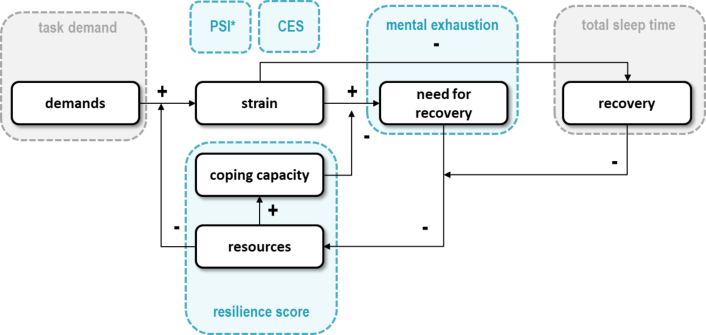
Resilience Risk Stratification Model The conceptual framework of the RRSM is presented in Figure 1. It illustrates our hypotheses on how the accumulation of the negative consequences of
Research Protocol for the Estimation of Recovery-Stress States of Workers 95
stress has a cyclical nature and how it can contribute to a loss spiral. This framework is based on the Transactional Model of Stress and Coping (Lazarus & Folkman, 1987), the Job Demands-Resources Model of Burnout (Bakker & Demerouti, 2007), the Effort-Recovery Model (van Veldhoven, 2008), the Conservation of Resources Theory (Hobfoll, 2001), and the WearMe project (deVries et al., 2019).
Psychophysiological strain accumulates when (job) demands, such as time pressure or physical workload are appraised as a threat due to inefficient available resources to adaptively cope with them (Lazarus & Folkman, 1987). In the RRSM model, we estimate the Physiological Strain Index (PSI) according to Moran et al. (1998) by PSIt = 5 Tcore,t−Tcore,min
Tcore,max−Tcore,min + 5 HRt−HRmin
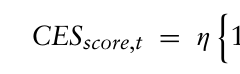
HRmax−HRmin , as well as the Cognitive-Emotional Strain Score (CES, Haid et al., 2024): the worker’s workload is estimated using a heuristically defined measure, as follows,
n
o +
Equation reproduced from the original PDF.
1 − HRVt−HRVmin HRVmax−HRVmin
Tskin,t−Tskin,min Tskin,max−Tskin,min + HRt−HRmin HRmax−HRmin , with a pre-defined heuristically selected η=8 according to previous experience. Based on the threat of fundamental strain, an individual’s need for recovery, characterized by feelings of exhaustion and reduced vigor to undertake new activities, depends on the individual’s ability to utilize the available resources to adaptively cope with the demands (Lazarus & Folkman, 1987; Bakker & Demerouti, 2007). A high need for recovery (i.e., little vigor to undertake activities) has a negative impact on an individual’s resources to appraise and cope with new demands, such as, a demanding work that should be allocated to workers. However, recovery may counteract and alleviate this effect (van Veldhoven, 2008).
Figure 1: Modelling wearable-based measurements and resilience scores into the worker’s resilience risk stratification model (Paletta et al., 2024).
In the RRSM model, we modelled a measure of mental exhaustion in terms of the daily total strain score as a function of the strain data from wearable sensors (Figure 1). The accumulating effect of mental exhaustion integrates daily score contributions within a predefined extent of recency. The resilience score underlying the risk stratification is then further outlined by an inverse function of the mental exhaustion. This score implicitly represents a tendency of the long-term stress dynamics rather than a short-term response- based construct. In this context, the framework includes a cyclical nature that is supported by the Conservation of Resources theory (Hobfoll, 2001), which states that long-term loss of resources increases one’s vulnerability to stress, and, since additional resources are necessary to battle stress, this may lead to a depletion of resources in a loss spiral. The motivation of the development of this RRSM framework is to prevent this loss spiral for the benefit of the worker as well as the economic impact of the manufacturing company. However, in the present work we specifically add the modelling of the ‘bouncing back’ effect in recovery (Smith et al., 2008) that refers to the state-like ability of resilience to recover from stressor-driven stimuli.
Physiology-Based Quantification of Recovery Quantitatively measuring the quality of recovery from a stressor using heart rate (HR) and heart rate variability (HRV) data is a well-established goal in psychophysiological research (Kim et al., 2018). One useful conceptual framework is the ‘bouncing back’ effect, which describes how quickly and effectively the autonomic nervous system returns to baseline (homeostasis) after a stressor (Thayer et al., 2012).
Resting heart rate (RHR) is an accessible metric from wearables that correlates with stress and fatigue. Under restful, recovered conditions, RHR tends to be lower, while stress and insufficient recovery drive it higher. Field data indicate that on days with elevated stress, individuals often show an increase in RHR (even a modest +1–2 bpm above baseline; Adler et al., 2021); an upward drift in daily minimum heart rate may reflect accumulating strain or poor recovery.
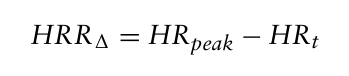
The recovery of heart rate (HR Recovery; HRR; Mongin et al., 2021) is simple and widely used, measuring how quickly HR decreases after peak stress,
Equation reproduced from the original PDF.
HRV typically decreases during stress (sympathetic dominance) and increases during recovery (parasympathetic rebound). The metrics under investigation are, RMSSD (Root Mean Square of Successive Differences), SDNN (Standard Deviation of the normal-to-normal intervals) as well as HF and LF power (High-Frequency and Low-Frequency component). During a short-term monitoring period, daily HRV trends are used to gauge recovery – for example, persistent HRV suppression from one day to the next may signal insufficient recovery (Shaffer & Ginsberg, 2017). Tracking HRV can principally reveal how consistently a worker’s autonomic state rebounds after work stress.
Research Protocol for the Estimation of Recovery-Stress States of Workers 97
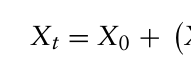
Exponential models provide a quantitative framework for assessing autonomic recovery post-stress and thereby quantifying the ‘bouncing back’ (‘Exponential Recovery Model’; Joseph et al., 2023) by
e−kt,
Equation reproduced from the original PDF.
Xpeak −X0
where X refers to HR or HRV, X0 to the baseline, and k refers to a recovery rate constant. The specific term ‘Area to Recovery’ (ATR) is not widely established in the literature. However, the concept relates to the integral of the heart rate recovery curve, representing the total deviation from baseline over time
Equation reproduced from the original PDF.
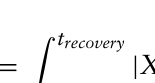
and ‘Time to Recovery’ (TTR), the time it takes to return within a threshold (e.g., 5%) of baseline HR or HRV,
Equation reproduced from the original PDF.
The study by Joseph et al. (2023) investigated the modeling of heart rate recovery (HRR) using single and double-exponential decay models. The authors found that the double-exponential model, which accounts for both sympathetic withdrawal and parasympathetic reactivation, provided a better fit for HRR data in a majority of participants. This approach quantifies the ‘bouncing back’ effect of the autonomic nervous system post-exercise.
Tracking movement and activity context via wearables is essential for accurate stress detection, particularly in dynamic settings like manufacturing. Physiological indicators such as elevated HR or reduced HRV can result from both psychological stress and physical exertion. Without contextual data on physical activity, distinguishing between these causes becomes challenging, potentially leading to misinterpretation of stress levels. Incorporating activity context has been shown to enhance the performance of stress detection models, improving accuracy and reducing false positives (Sun et al., 2012). For instance, context-aware models that integrate activity data outperform those relying solely on physiological signals. This integration allows for a more nuanced understanding of stress responses, enabling timely and appropriate interventions.
Quantification of Psychological Resilience Various psychometric questionnaires quantify psychological resilience and related constructs; some measure resilience as a personal trait or capacity, while others assess perceived stress, workload, or psychosocial work factors that impact resilience. RS-13 (Leppert et al., 2008) evaluates resilience as a positive personality characteristic (adaptability), including two facets – personal competence and acceptance of self/life – without a specific timeframe. Its brevity makes it practical for use with manufacturing workers, providing a quick gauge of an individual’s resilience level. CD-RISC is a widely used self-report scale of personal resilience. Psychometrically, it
exhibits strong reliability and validity across cultures, and it can capture workers’ general resilience, such as their tenacity and adaptability in face of production pressures. The Brief Resilience Scale (BRS; Smith et al., 2008) defines resilience as the ability to bounce back or recover from stress. Unlike CD-RISC and RS-13 which emphasize protective characteristics, the BRS focuses on outcome, directly assessing how quickly one recovers from workplace stressors. The Perceived Stress Scale (PSS; Cohen et al., 1983) measures the extent to which life situations are appraised as stressful. The PSS is not a resilience scale per se but a complementary outcome measure: higher perceived stress often correlates with lower resilience. The Recovery–Stress Questionnaire for Work (RESTQ-Work; Jiménez & Kallus, 2016) assesses the balance between work-related stress and recovery. Respondents rate how frequently they experienced various stressors (e.g. fatigue, overload) versus restorative activities or states (e.g. adequate rest, off-job relaxation). The RESTQ-Work helps identify if workers are adequately recuperating or at risk of chronic stress and burnout. The NASA Task Load Index (NASA- TLX; Hart & Staveland, 1988) is a subjective, multidimensional tool rating perceived mental and physical workload of specific tasks that could challenge employees’ resilience or lead to fatigue, making it a valuable instrument for quantifying task-level stressors in manufacturing environments.
The Copenhagen Psychosocial Questionnaire (COPSOQ; Kristensen et al., 2005) is a comprehensive questionnaire assessing a broad range of psychosocial work environment factors, including job demands, work organization, interpersonal relations, and worker health and well-being, pinpointing psychosocial risk factors that may undermine worker resilience, complementing individual-focused resilience and stress measures.
Integrated Estimation of Psychological Risk Levels To estimate psychological risk levels from wearable biosignal sensor data in a manufacturing environment, a structured machine learning (ML) approach can be employed. This involves collecting daily physiological and activity data over period of several weeks and correlating it with psychological assessments. Participants wear devices that record HR, HRV, and activity levels. From this data, features such as resting heart rate, HR recovery (the rate at which HR returns to baseline post-activity), daily HR and HRV minima and maxima, and sleep quality metrics are extracted. Advanced models like the Exponential Recovery Model can quantify the rate of autonomic recovery, while metrics like ATR and TTR provide insights into the duration and extent of physiological stress responses. Concurrently, participants complete validated questionnaires assessing constructs like workload (NASA-TLX), resilience (BRS, RS-13), psychosocial factors (COPSOQ), recovery-stress balance (RESTQ-Work), and perceived stress (PSS).
The extracted physiological features serve as inputs to ML models aiming to predict psychological risk levels that will be integrated in the future RRSM- BB model. Once validated, these models can estimate psychological risk levels in real-time, enabling early interventions. For instance, if a worker’s
Research Protocol for the Estimation of Recovery-Stress States of Workers 99
physiological data indicates elevated stress levels, proactive measures can be taken to mitigate potential adverse outcomes.
STUDY PLAN The exploratory study may take place at a manufacturer’s site with n = 20 workers (10 female, 10 male) being included for a time period about 2–4 weeks and engaged in a day shift of 8 hours work on the shop floor.
Firstly, there will be a kickoff workshop at the manufacturing site where workers can fill out questionnaires – demographics, RS-13, BRS, PSS- 10, RESTQ-Work, COPSOQ, and NASA-TLX - and familiarize with the equipment and questionnaires to be filled alone using the app of LimeSurvey GmbH (2025). Furthermore, there will be a session to determine the baseline values. Within the subsequent two weeks, participants will wear activity trackers by day and night and be asked to fill a short version of the NASA- TLX daily before shift, before lunch, and before the end of shift. At each weekend, they will be asked to fill out further questionnaires (BRS, PSS- 10, and RESTQ-Work). Participants will be reminded of filling out the questionnaire using automated electronic messaging (SMS). At the end of the study, participants will fill out the remaining questionnaires (RS-13, BRS, PSS-10, RESTQ-Work, and NASA-TLX).
CONCLUSION AND FUTURE WORK This work presents a novel research protocol integrating wearable biosignal sensor data with psychological assessment to estimate recovery- stress states in manufacturing environments. By combining physiological indicators with validated questionnaires, the framework enables continuous, individualized monitoring of resilience. The proposed extended Resilience Risk Stratification Model RRSM-BB supports early identification of stress- related risks, promoting timely interventions. Future work will apply the exploratory study at a manufacturing site, perform the analytics on real data.
Furthermore, we may refine the model using multisensory data, such as smart textiles and eye tracking, and explore adaptive feedback systems that respond dynamically to workers’ psychophysiological states, contributing to healthier, human-centered production environments. Longitudinal validation across diverse industrial settings is planned.
ACKNOWLEDGMENT
This work was funded in part from the project FAIRWork (grant No 101069499) of the Horizon Europe research and innovation program of the European Commission.
REFERENCES
Adler, D. A. et al. (2021). Job performance deficits due to depression. American Journal of Psychiatry, 163(9), 1569–1576. Arai, T., Kato, R., & Fujita, M. (2010). Assessment of operator stress induced by
robot collaboration in assembly. CIRP Annals, 59(1), 5–8.
Argyle, M., & Cook, M. (2021). Gaze and mutual gaze. Cambridge University Press. Bakker, A. B., and Demerouti, E. (2007). The Job Demands-Resources model: State of the art. J. Manag. Psychol. 22:309–328. doi: 10.1108/02683940710733115. Blandino, G. (2023). How to measure stress in smart and intelligent manufacturing
systems: A systematic review. Systems, 11(4), 167. Brunzini, A. et al. (2021). On-site analysis of work-related stress to design workersfriendly manufacturing systems. Proceedings of the Design Society, 1, 205–214. Chmitorz, A. et al. (2018). The Brief Resilience Scale: Translation and validation in
German. Intl J of Environmental Research and Public Health, 15(2), 250. Cohen, S., Kamarck, T., & Mermelstein, R. (1983). A global measure of perceived stress. Journal of Health and Social Behavior, 24(4), 385–396. Connor, K. M., & Davidson, J. R. (2003). Development of a new resilience scale: The
Connor- Davidson Resilience Scale (CD-RISC). Depression and Anxiety, 18(2). de Vries H., Kamphuis W., Oldenhuis H., van der Schans C., and Sanderman R.
(2019). Modelling employee resilience using wearables and apps: A conceptual framework and research design. Int. J. Adv. Life Sc. 11:110–117. de Vries, H., & Timmermans, C. (2019). A framework for integrating stress and resilience in employees using wearable monitoring. J of Occupat Health Psych, 24(4), 441–452. Digiesi, S., Mossa, G., & Mummolo, G. (2020). A decision support system for human
factors integration in manufacturing system design. Computers & Industrial Engineering, 139, 106178. Dunghana, S., & Smith, J. (2021). Flexible production planning incorporating human factors: A simulation approach. Intl J of Production Research, 59(15), 4567–4582. Griffiths, M. D. (1995). Technological addictions. Clinical Psychology Forum, 76,
14–19. Academia Haid, F., et al. (2024). Semantic Decision Support for Action Forces with Risk Stratification from Estimated Physiological Strain, Cognitive-Emotional Stress and Situation Awareness. In Proc. 15th AHFE 2024, Nice, France. Han, J., Kim, H., & Kim, J. (2017). Development of a wearable device for real-time
stress monitoring. Sensors, 17(5), 1010. Hart, S. G., & Staveland, L. E. (1988). Development of NASA-TLX (Task Load Index): Results of empirical and theoretical research. In P. Hancock & N. Meshkati (Eds.), Human Mental Workload (pp. 139–183). North-Holland. Hobfoll, S. E. (2001). The Influence of Culture, Community, and the Nested-Self
in the Stress Process: Advancing Conservation of Resources Theory. Applied Psychology. 50, 337–421. Isham, A., Mair, S., & Jackson, T. (2020). Wellbeing and productivity: A review of the literature (CUSP Working Paper No. 22). University of Surrey, Centre for the Understanding of Sustainable Prosperity (CUSP). https://cusp.ac.uk/themes/ae t/wp22/ Jiménez, P., & Kallus, K. W. (2016). Recovery-Stress Questionnaire for Work
(RESTQ-Work). Frankfurt am Main: Pearson Assessment & Information GmbH Joseph, A. et al. (2023). Exponential modelling of heart rate recovery after a maximal exercise. Indian Journal of Physiology and Pharmacology, 67(2), 125–132. Kallus, K. W., & Kellmann, M. (2016). Recovery-Stress Questionnaire for Work:
Manual. Pearson Assessment. Kellmann, M., & Kallus, K. W. (Eds.). (2024). The Recovery-Stress Questionnaires: A User Manual (Advances in Recovery and Stress Research Series). Routledge.
Research Protocol for the Estimation of Recovery-Stress States of Workers 101
Khamaisi, M., & Arai, T. (2022). Identifying potential causes of stress in humanrobot collaboration. Robotics and Computer-Integrated Manufacturing, 73, 102241. Kim, H. G. et al. (2018). Stress and Heart Rate Variability: A Meta-Analysis and
Review of the Literature. Psychiatry Investigation, 15(3), 235–245. Kristensen, T. S., Hannerz, H., Høgh, A., & Borg, V. (2005). The Copenhagen Psychosocial Questionnaire—a tool for the assessment and improvement of the psychosocial work environment. Scandinavian Journal of Work, Environment & Health, 31(6), 438–449. Lazarus, R. S., & Folkman, S. (1984). Stress, appraisal, and coping. Springer
Publishing Company. Lee, J., & Kim, H. (2024). Digital biomarkers of resilience: A systematic review.
Journal of Biomedical Informatics, 137, 104329. Lee, M. P. et al. (2024). The real-world association between digital markers of circadian disruption and mental health risks. npj Digit. Med. 7, 355. Leone, G., & Gualtieri, L. (2020). A multi-sensor platform for real-time monitoring
of workers’ stress in manufacturing environments. Procedia Manufact, 42, 543–550. Leppert, K. et al. (2008). Die Resilienzskala (RS) – Überprüfung der Langform RS-25 und einer Kurzform RS-13. Klinische Diagnostik und Evaluation, 1(2), 226–243. Lesage, F. X., Berjot, S., & Deschamps, F. (2012). Clinical stress assessment using a
visual analogue scale. Occupational Medicine, 62(8), 600–605. LimeSurvey GmbH (2025). LimeSurvey: An open source survey tool. Hamburg, Germany. Retrieved from https://www.limesurvey.org. McEwen, B. S., & Stellar, E. (1993). Stress and the individual: Mechanisms leading
to disease. Archives of Internal Medicine, 153(18), 2093–2101. Mongin, D. et al. (2021). Heart rate recovery to assess fitness: Comparison of different calculation methods in a large cross-sectional study. Research in Sports Medicine, 31(2), 157–170. https://doi.org/10.1080/15438627.2021.1954513 Nguyen, T. H., & Nguyen, T. M. (2022). Human factors in smart manufacturing: A
review. International Journal of Advanced Manufacturing Technology, 119(1–2), 1–15. Paletta, L. et al. (2024). Resilience Scores for Decision Support Using Wearable Biosignal Data with Requirements on Fair and Transparent AI, 2024 IEEE 29th International Conference on Emerging Technologies and Factory Automation (ETFA), pp. 1–4. Paletta, L., et al. (2023). Digital Shadows and Twins for Human Experts and Data-
Driven Services in a Framework of Democratic AI-based Decision Support. In: Lucas Paletta, Hasan Ayaz and Umer Asgher (eds) Cognitive Computing and Internet of Things. AHFE (2023) International Conference. AHFE Open Access, vol 73. Renda, A. et al. (2021), Industry 5.0, a transformative vision for Europe – Governing systemic transformations towards a sustainable industry, Publications Office of the European Union, 2021, https://data.europa.eu/doi/10.2777/17322. Setz, C., Arnrich, B., Schumm, J., La Marca, R., Tröster, G., & Ehlert, U. (2009).
Discriminating stress from cognitive load using a wearable EDA device. IEEE Transactions on Information Technology in Biomedicine, 14(2), 410–417. Shaffer, F., & Ginsberg, J. P. (2017). An overview of heart rate variability metrics and norms. Frontiers in Public Health, 5, 258. https://doi.org/10.3389/fpubh.2017. 00258
Shern, D. L. et al. (2014). Impact of toxic stress on individuals and communities: A review of the literature. Mental Health America. https://www.mhanational.org/ issues/impact-toxic-stress-individuals-and-communities Shields, G. S. et al. (2016). The effects of acute stress on core executive functions: A
meta-analysis and comparison with cortisol. Neurosci & Biobehav Reviews, 68, 651–668. Smith, B. W. et al. (2008). The brief resilience scale: assessing the ability to bounce back. Int J Behav Med.; 15(3):194±200. https://doi.org/10.1080/ 10705500802222972 Smith, B. W. et al. (2008). The Brief Resilience Scale: Assessing the ability to bounce back. International Journal of Behavioral Medicine, 15(3), 194–200. Stefana, E., Marciano, F., Rossi, D., Cocca, P., & Tomasoni, G. (2022). Ergonomics in
Industry 4.0: An overview of the human factors in smart manufacturing. Applied Ergonomics, 98, 103267. Sun, F.-T. et al. (2012). Activity-aware mental stress detection using physiological sensors. In Mobile Computing, Applications, and Services (pp. 211–230). Springer. Thayer, J. F. et al. (2012). A meta-analysis of heart rate variability and neuroimaging
studies: Implications for heart rate variability as a marker of stress and health. Neuroscience & Biobehavioral Reviews, 36(2), 747–756. van Veldhoven, M. J. P. M. (2008). Need for recovery after work: An overview of construct, measurement and research. In Houdmont J., and Leka S. (Eds.), Occupational health psychology. 1–25. Nottingham University Press. Villani, V., Sabattini, L., & Fantuzzi, C. (2019). A review of human factors in the
design and control of collaborative robots. Mechatronics, 55, 1–16. Wang, Y., Xu, X., & Zhang, L. (2020). Human-centric smart manufacturing: A review. Journal of Manufacturing Systems, 54, 1–13. Wegner, D. M. (1988). Managing shiftwork. In Proceedings of the Human Factors
Society Annual Meeting (Vol. 32, No. 2, pp. 140–144). Sage Publications. SAGE Journals. Yeow, J., Johnson, S., & Faraj, S. (2014). Lifting the veil: The role of social technologies in organizational identity work. Academy of Management Journal, 57(4), 991–1022. Zizic, K. et al. (2022). The impact of stress on productivity in the workplace.
International Journal of Cognitive Research in Science, Engineering and Education, 10(1), 45–52.
LISTED IN THE AHFE DIGITAL BOOKSTORE CATALOGUE
Explore the complete digital volume
Cognitive Computing and Internet of Things
Read this individual research paper free through the original publisher, or explore the full digital proceedings book.
ISBN 978-1-964867-41-0
Explore this ISBN in the AHFE Bookstore ↗Listed in the July 2026 bookstore catalogue; search by ISBN to confirm current availability · Digital book purchase optional