Lei Zhong, Xinhui Zhang (2026). The Innovative Culture Design of Weifang Traditional Kite. In: Human Factors in Communication of Design. AHFE Open Access, vol. 216, pp. 113–122. https://doi.org/10.54941/ahfe1007629
Weifang traditional kite patterns face the core market dilemma of high cultural recognition but low consumption conversion. This study addresses the practical issue that their visual styles are outdated and fail to attract contemporary consumers, despite their profound cultural connotations and significant value for inheritance and transformation. It aims to bridge the gap between traditional pattern language and modern aesthetic applications through modern design transformation. Using the theoretical frameworks of design semiotics and color psychology, along with the case study method, this research systematically collected, deconstructed, and interpreted the patterns of typical Weifang kite cases. This process involved extracting and recombining motifs and contemporaneously translating the traditional color system. Based on this, new pattern and color series conforming to the modern visual context were constructed. Design principles and methods for cultural and creative products based on Weifang kite culture were proposed. Accordingly, cultural and creative products, ultimately aiming to promote the revitalization of the Weifang cultural tourism brand.
Weifang, China, is renowned as the “World Kite Capital”, boasting over two thousand years of kite-making history. It is a significant representative of China’s intangible cultural heritage. Its pattern system integrates folk auspicious symbolism, mythological tales, and natural imagery, forming a complete visual symbolic language.
In the contemporary consumer market, Weifang traditional kites face severe challenges. Despite high cultural recognition, their consumption conversion rate is low, especially among younger demographics. The issues are mainly reflected in: Firstly, the complex composition and intense, vivid colors of traditional patterns significantly differ from the prevailing contemporary aesthetics (Smith, 2022). Secondly, existing products lack innovation, struggle to integrate into daily life, and often have singular functions. Most kites remain confined to festivals and toys, failing to expand into daily consumption categories.
This study aims to provide a systematic solution for the contemporary transformation of Weifang kite patterns. Its significance lies in: theoretically, exploring the methodological pathways of design semiotics and color
114 Zhong and Zhang psychology in traditional pattern innovation; practically, developing cultural and creative products that preserve cultural genes while aligning with modern aesthetics, thereby facilitating the revitalization and upgrading of the Weifang cultural tourism brand. The objectives of this study are to extract and transform the core symbols and colors of Weifang kite traditional patterns, forming a set of pattern series applicable to modern product design, and to summarize generalizable design principles.
Analysis of Traditional Weifang Kite Patterns and Colors This study selected ten representative and well-documented cases of traditional Weifang kite patterns for analysis (see Table 1). Through in-depth pattern collection, morphological analysis, and symbolic interpretation of these cases, reliable original material and cultural basis were provided for innovative design (Robert, 2019). All cases are sourced from the Weifang Kite Museum collection and works by national-level intangible cultural heritage inheritors, ensuring their typicality and authenticity.
Table 1: Analysis of traditional kite patterns and colors.
Table available in the original PDF paper.
No. Title Picture Pattern Implication Color
1 Longevity and Prosperity
Peony, Butterfly Cat
Sapphire Blue, Pink, Bright Yellow
Butterflies frolic among peonies, and the cat homophonous with “longevit” symbolizes enduring wealth and prosperity
2 Auspicious Longevity Swallow
Bat Bats and peaches of longevity represent safety, health, fortune, and long life
Sapphire Blue, Red, Emerald Green
Butterfly, Peony
3 Butterflies among Flowers
Butterflies circling peonies signify a joyful and fulfilling life
Black, Mineral Green
Black, Orange
4 Hall Filled with Treasures
Goldfish Goldfish homophonous with “gold and jade” symbolize household abundance Four Dancing Lions
5 Four Generations Under One Roof
Black, Vermilion, Mineral Green
Four lions (homophonous with “four generations”) represent family harmony and prosperity (Continued)
Table 1: Continued.
Table available in the original PDF paper.
No. Title Picture Pattern Implication Color Cerulean Blue
6 The Great Blue Swallow
Bat, Peach of Longevity
The blue background adorned with bats and peaches conveys blessings of fortune and longevity
7 The Convergence of Five Blessings
Bat Five bats gathered together signify the arrival of the “Five Blessings”.
Black, Vermilion, Mineral Green
8 The Swallow of Nine Fish
Goldfish Nine fish represent longevity, prosperity, and surplus
Vermilion, Black, Sky Blue
Vermilion, Black
Bat Bats symbolize numerous offspring, abundant fortune, and long life
9 Three Abundances and Nine Similes
10 The Soaring Dragon of China
Dragon, Auspicious Clouds
Black, True Red, Bright Yellow
Five dragons soaring amid auspicious clouds express wishes for the nation’s prosperity and strength
The typical patterns and color systems of traditional Weifang kites serve as essential visual carriers of their cultural core. The ten traditional Weifang kites selected for this study all adopt the swallow (“Sha Yan”) as their fundamental form. Their patterns predominantly feature central symmetry and balanced compositions, with key motifs such as flowers, bats, goldfish, and dragon patterns. These elements closely align with auspicious themes like longevity, family reunion, and prosperity, conveying the culture of Chinese traditional blessings.
In terms of color, the palette is based on foundational hues such as sapphire blue, vermilion red, bright yellow and black, complemented by shades like mineral green, sky blue and pink. Overall, this creates a characteristic high-saturation color contrast. However, these high-saturation colors are not arbitrarily chosen: red symbolizes joy and auspiciousness, yellow represents nobility, blue conveys tranquility, and green signifies vitality. Collectively, these kites integrate symbolic patterns with traditional Chinese color symbolism, epitomizing the artistic principle of “expressing meaning through form and conveying emotion through color” inherent to traditional Weifang kites.
Nevertheless, in contemporary times, the high-saturation color schemes and fixed patterns of traditional kites struggle to resonate emotionally with
116 Zhong and Zhang modern audiences. Their misalignment with the emerging aesthetic trends pursued by today’s consumers has gradually eroded their competitiveness in the market.
REDESIGN METHODOLOGY FOR WEIFANG KITE PATTERNS A case study approach was adopted to conduct an in-depth analysis of the ten aforementioned cases. Design semiotics was applied to deconstruct the patterns, while color psychology guided the translation of color schemes.
Extraction, Deconstruction, and Recombination of Patterns Extraction: Core cultural symbols were isolated, such as “bat” (fu, meaning good fortune), “peach” (shou, meaning longevity), “peony” (representing wealth and nobility), and “cloud patterns” (symbolizing auspiciousness).
Deconstruction: Traditional realistic patterns were optimized to align with contemporary aesthetics. The number of pattern layers was reduced to enhance recognizability while achieving a lighter and more refined visual appearance.
Recombination: Overly dense compositions were broken up by introducing negative space, a principle of modern graphic design. The deconstructed symbolic elements were rearranged to establish a new visual order while preserving a sense of symmetrical balance.
Color Translation Design Current Context Analysis: Contemporary young consumers show a preference for Morandi tones, neutral colors, low-saturation palettes, and nature- inspired hues, emphasizing visual comfort and a sense of sophistication (Li, 2022). From a psychological perspective, while strong color contrasts and intricate pattern combinations can create immediate visual impact and evoke positive emotions as well as cultural identification (Elliot and Maier, 2014), the highly stylized nature of traditional visual language creates a disconnect with modern aesthetics that favor simplicity and individuality, posing challenges for its continued relevance and development.
Translation Method: Saturation and brightness were reduced. Traditional bright red was translated into terracotta red or brick red; bright yellow into pastel yellow or cream yellow; and indigo blue into gray-blue or haze blue.
Color System Construction: A color system comprising primary, secondary, and accent colors was established. Primary colors were derived from traditional hues but with reduced purity. Secondary colors, such as black or navy blue, were used to balance the composition. Accent colors involved sparing use of traditional high-saturation colors to add brightness and evoke cultural memory.
Psychological Association: Color psychology principles were applied. For example, blue tones convey tranquility and wisdom, green tones are associated with nature and vitality, and low-saturation warm tones evoke warmth and nostalgia, making the designs more aligned with contemporary emotional needs.
The Innovative Culture Design of Weifang Traditional Kite 117 Outcomes of Redesigned Kite Patterns
Patterns extracted from various Weifang kites were redesigned, resulting in six combined motifs, each applied to a swallow-shaped kite with a distinct form (see Table 2). The designs are named: “Butterflies Among Flowers”, “Goldfish Herald Spring”, “Dragon Treading on Clouds”, “Perfect health and longevity”, “Birdsong and Blossoms”, and “White Crane in Clouds”.
Table 2: Redesign evolution steps.
Table available in the original PDF paper.
Number Title Elements Line drawing Colored drawing
1 Butterflies Among Flowers
2 Goldfish Herald Spring
3 Dragon Treading on Clouds
4 Perfect health and longevity
5 Birdsong and Blossoms
6 White Crane in Clouds
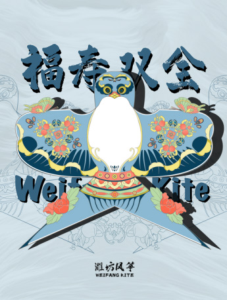
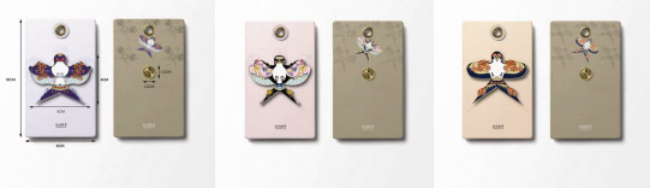
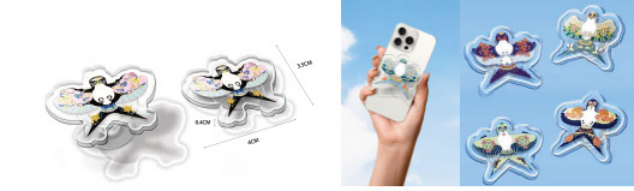
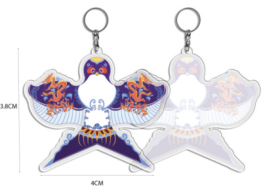
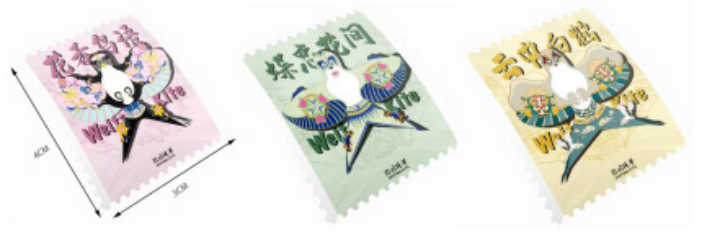
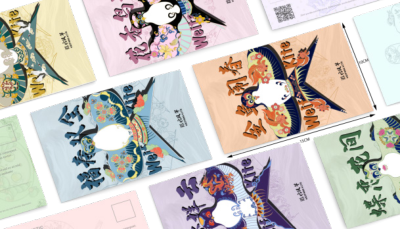
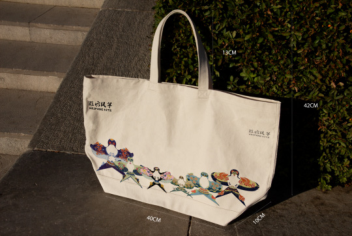
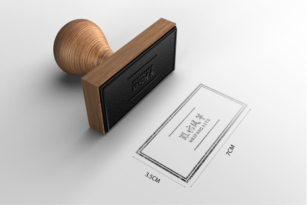
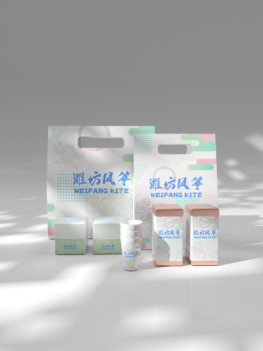
DERIVATIVE APPLICATIONS OF THE REDESIGNED KITE PATTERNS A series of cultural and creative derivative products have been developed based on the six redesigned kite patterns, demonstrating their practical application potential (see Figure 1–9).
By selecting carriers that combine practicality and communicative value— such as postcards, stamps, keychains, and badges—the refined visual symbols were transformed into cultural and creative products aligned with modern aesthetics and consumption habits. Through the integration of graphic and physical products, the modern translation of traditional visual symbols was achieved, aiming to facilitate the daily-life dissemination and innovative transformation of traditional kite culture.
DESIGN PRINCIPLES FOR CULTURAL AND CREATIVE PRODUCTS BASED ON WEIFANG KITE CULTURE Through the comprehensive research process, the following design principles and methods have been summarized:
Symbolic Translation, Coexistence of Form and Meaning Design must not remain at the level of superficial reproduction but should translate traditional symbols into contemporary semantics. It is essential to extract the core “meaning” (cultural connotation) and then reshape its “form” using modern design language, thereby fostering a dialogue between tradition and innovation (Wang, 2023).
Color Narrative, Emotional Connection Color is key to activating cultural memory and evoking emotional resonance. A translation system that bridges traditional color symbolism and modern color psychology must be established, allowing colors to both carry historical significance and narrate contemporary stories.
Scenario Embedding, Functional Value-Adding The success of cultural and creative products lies in their integration into cultural contexts and daily life. Design should consider the specific usage scenarios of products and endow them with practical functions, transforming them from “souvenirs” into “daily essentials”.
Systematic Construction, Brand Synergy The influence of a single product is limited. Therefore, a series of systematic product portfolios should be developed. All derivative products should maintain a unified visual language and cultural tone, collectively strengthening the brand image of “Weifang Kite”.
CONCLUSION
By employing the theories of design semiotics and color psychology, along with the case study method, this research has completed a comprehensive exploration spanning from the analysis of traditional patterns, symbolic deconstruction, and color translation to innovative design and practical application. The outcomes of this study not only include the production of six sets of redesigned patterns with modern aesthetic appeal and their derivative application solutions, but also involve the formulation of a set of reference- worthy design principles and methodological pathways for transforming traditional cultural resources into modern design assets. This provides feasible design practice support for the contemporary innovation and development of Weifang kite culture.
The limitations of this research lie in the potential for further expansion of the data sample and the need for deeper integration between the production
122 Zhong and Zhang processes and cost control of derivative products and the actual production end. Future research could focus on three directions: First, exploring the integration of pattern design with interactive technologies (such as dynamic graphics and immersive experiences). Second, promoting the standardization and open-sourcing of design outcomes to provide fundamental materials for more designers. Third, strengthening cross-cultural comparative studies to explore innovative expressions of Weifang kite patterns in an international context, thereby assisting Chinese culture in making a more influential impact on the global stage. This research aligns closely with the AHFE 2026 Creativity, Innovation and Entrepreneurship track, with a particular focus on Creative process & practices and Designing culture.
ACKNOWLEDGMENT
This research was funded by the Tianjin Municipal Art Science Planning Key Project, Research on the Construction and Development of Tianjin’s “Mountains, Sea, Rivers, Buildings, and Lively Atmosphere” Cultural Tourism Belt (Project No.: B24002).
REFERENCES
Cooper, R. & Press, M. (2020). The design agenda: A guide to successful design management. NJ: John Wiley & Sons. Elliot, A. J., & Maier, M. A. (2014). Color psychology: Effects of perceiving color on
psychological functioning in humans. Annual Review of Psychology, 65, 95–120. Hou, M. & Liu, M. (2025). Research on the redesign and application of the Mei vase patterns of the four love pictures of Yuan blue and white porcelain based on cultural translation. Art and Design, 38(9), pp. 37–39. Li, X. (2022). Research on visual preferences of young consumer groups based on
color psychology. Packaging Engineering, 43(14), pp. 258–264. Robert, Y. (2019). Case study research: Design and methods (6th ed.). Thousand Oaks, Sage Publications. Smith, J. (2022). Contemporary aesthetics and cultural product design. Oxford
University Press. Sun, L. & Sun, M. (2020). Analysis of artistic characteristics and cultural connotations of Weifang kites. Folk Art, 25(3), pp. 88–91. Wang, Z. (2023). Research on innovative design of intangible cultural heritage
creative products from the perspective of design semiotics. Art Panorama, 40(5), pp. 112–115.
LISTED IN THE AHFE DIGITAL BOOKSTORE CATALOGUE
Explore the complete digital volume
Human Factors in Communication of Design
Read this individual research paper free through the original publisher, or explore the full digital proceedings book.
ISBN 978-1-964867-92-2
Explore this ISBN in the AHFE Bookstore ↗Listed in the July 2026 bookstore catalogue; search by ISBN to confirm current availability · Digital book purchase optional